

Walking the Cammino Minerario di Santa Barbara in Sardinia, Italy
Discover a different side of Sardinia on a 500km pilgrimage through abandoned mines, medieval towns, and spectacular coastal scenery.
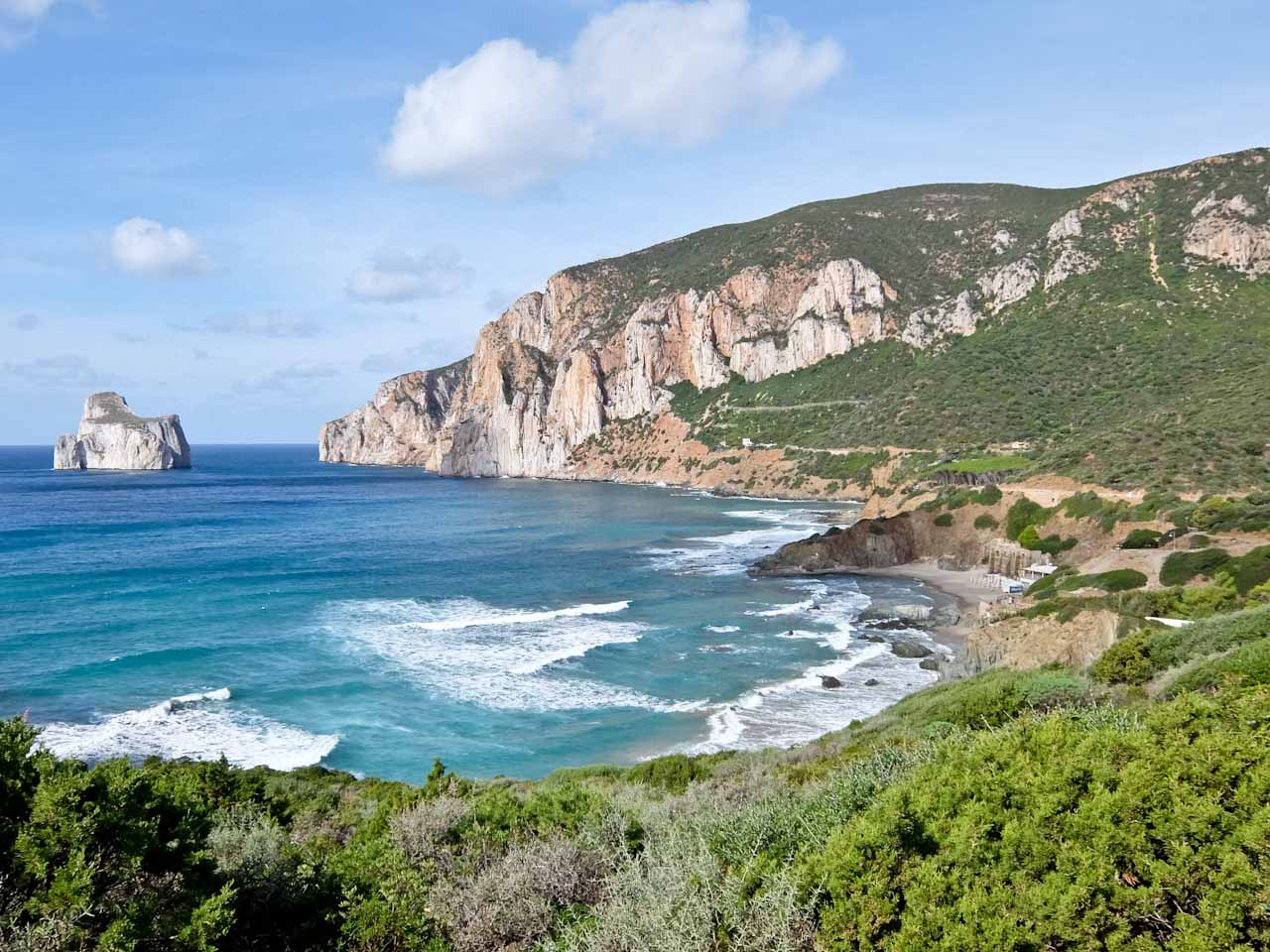
Sardinia is famous for its turquoise sea, white-sand beaches and expensive yachts bobbing offshore. But head into the island’s rugged southwest, and another world emerges. Here, mountains conceal abandoned mines, rusting machinery stands amid wildflowers, and ancient paths wind through villages whose wealth was once tied to the minerals beneath their feet.
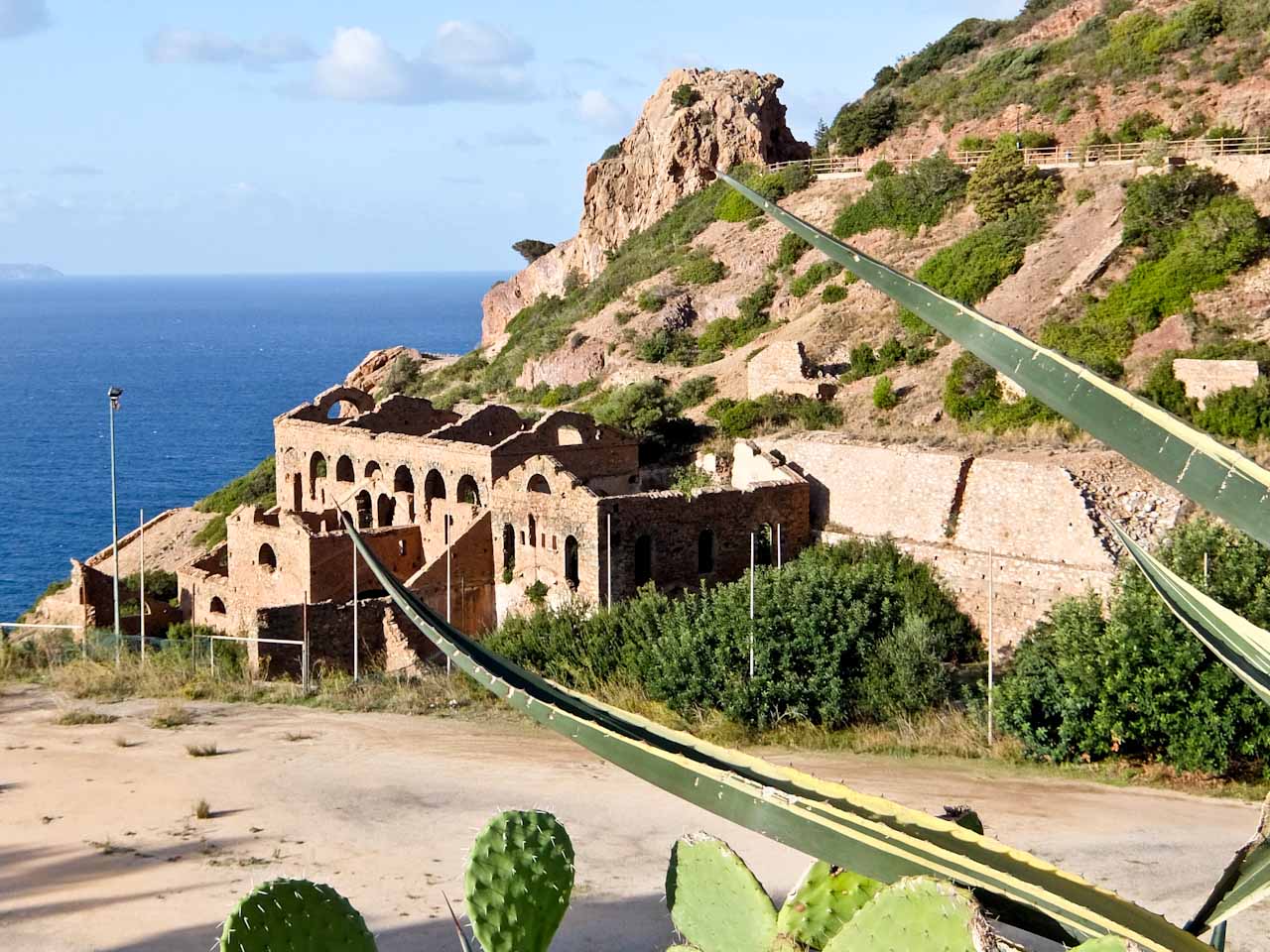
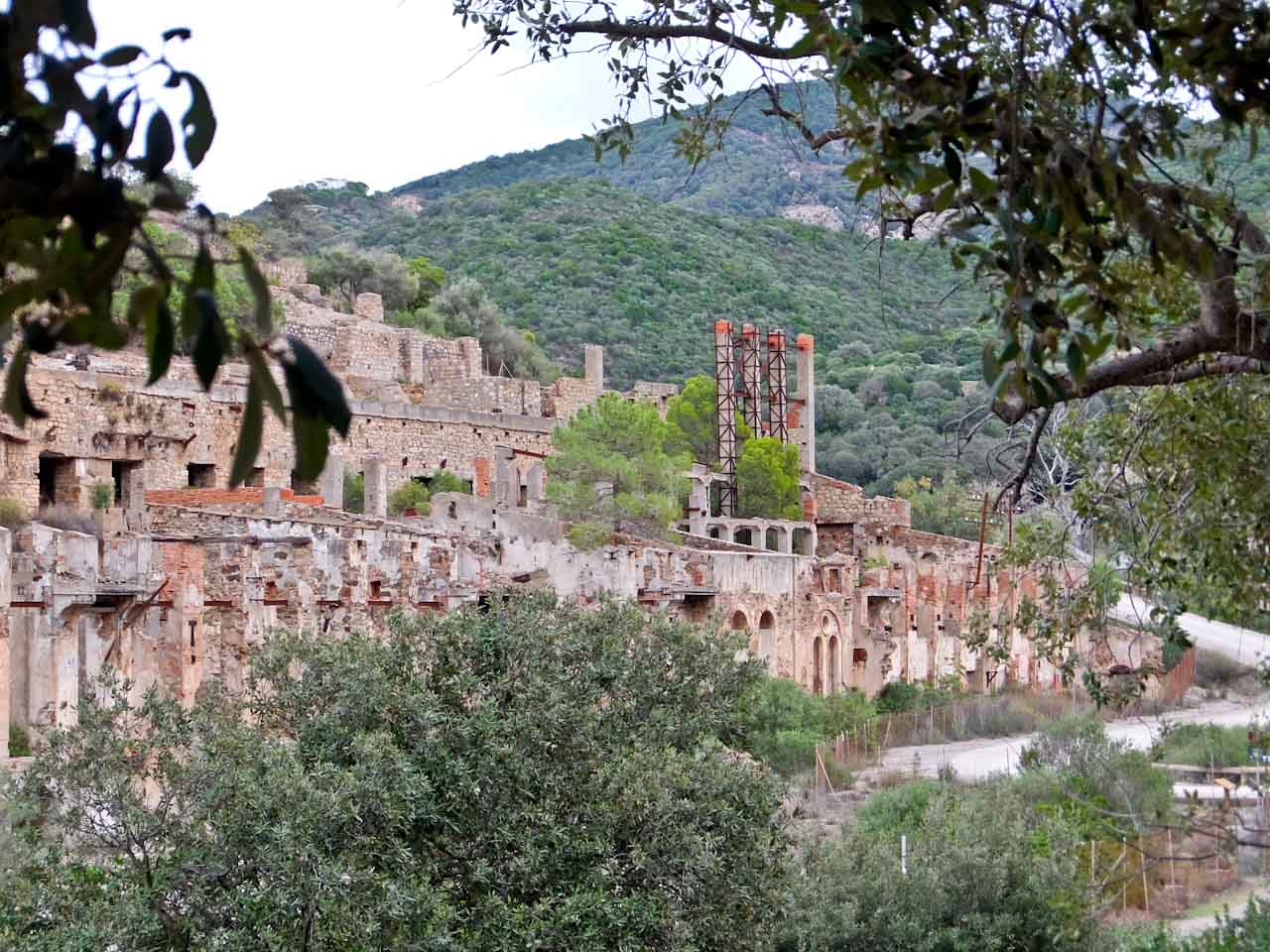
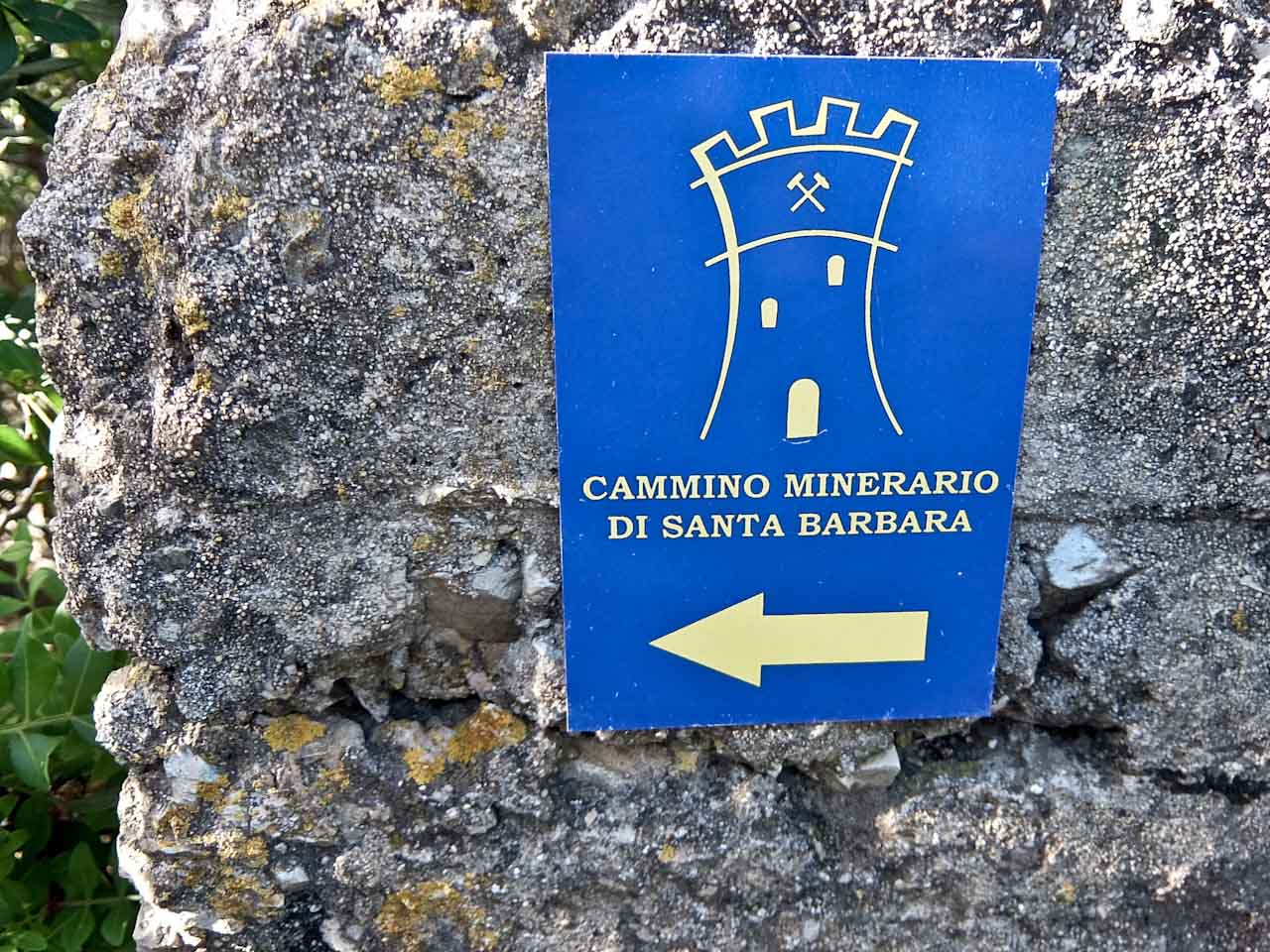
The best way to discover this less familiar Sardinia is on foot along the Cammino Minerario di Santa Barbara, named after the patron saint of miners. This long-distance walking route covers approximately 500 kilometres in 30 stages through landscapes shaped by thousands of years of human activity. It passes industrial ruins, archaeological sites, remote beaches and settlements that have survived the decline of the mining industry.
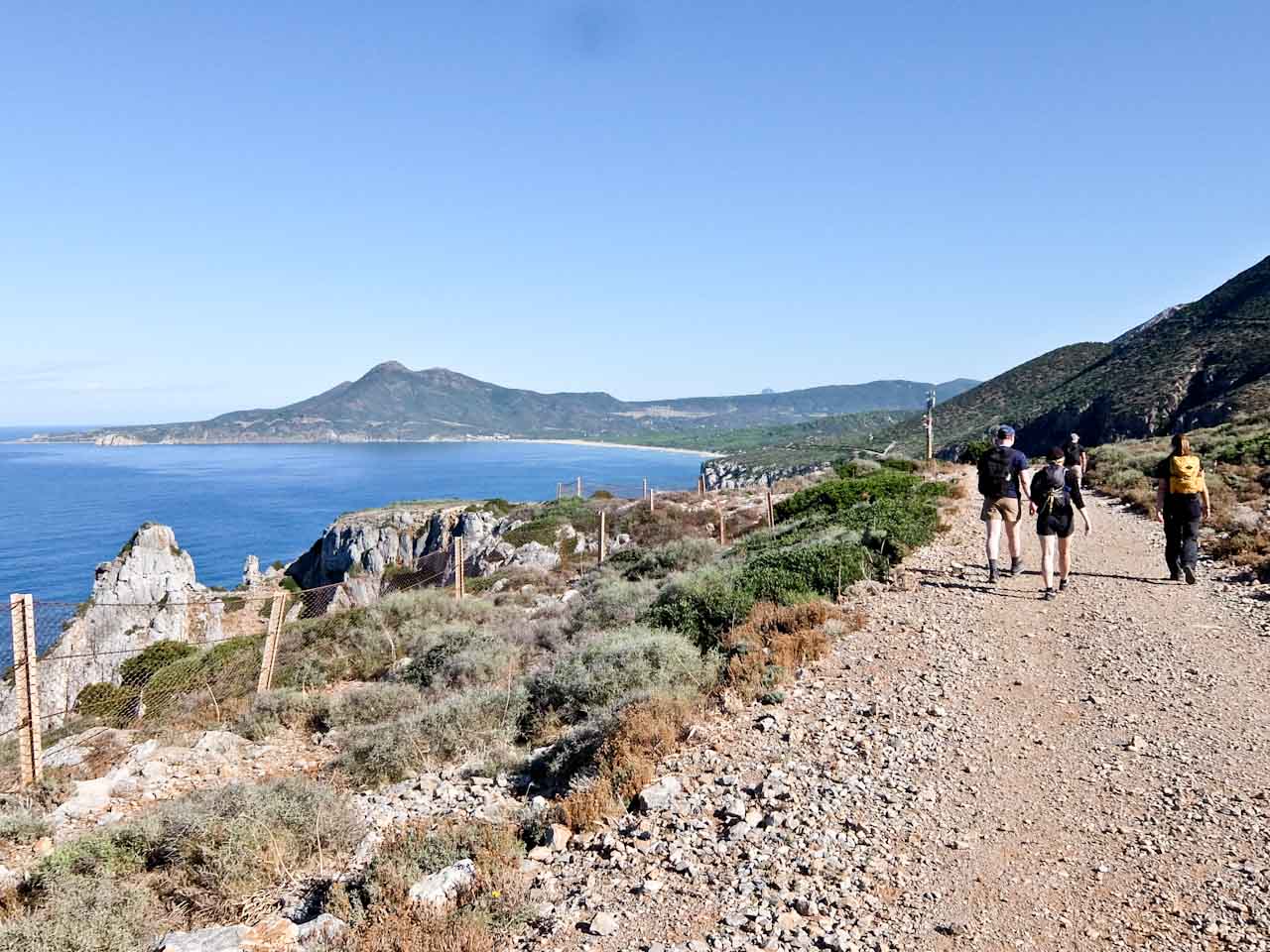
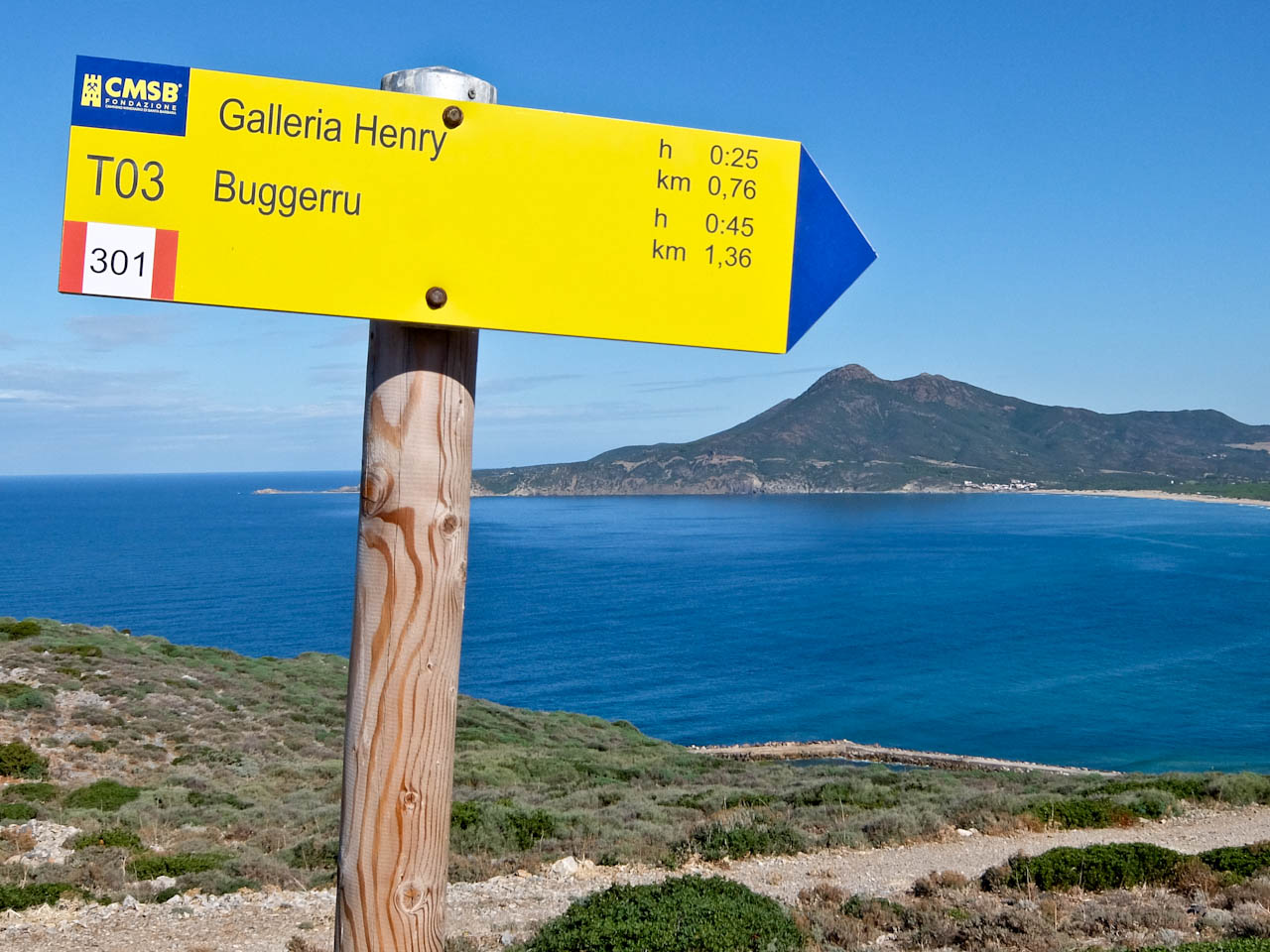
Beneath the Mediterranean scrub and brilliant blue skies lies a story of labour, wealth, hardship and resilience. The trail itself grew from efforts to recover and preserve these forgotten routes. Volunteers helped identify historic paths, using old maps and the memories of former miners to reconstruct the network that connected homes, mines and ports.
Four experiences stand out: the spectacular Santa Barbara Cave, the historic San Giovanni Mine, the ingenious sea-facing installation at Porto Flavia and the Henry Gallery at Buggerru. Together, they make an excellent itinerary for anyone interested in industrial archaeology, geology, engineering and the less familiar side of Mediterranean history.
Iglesias
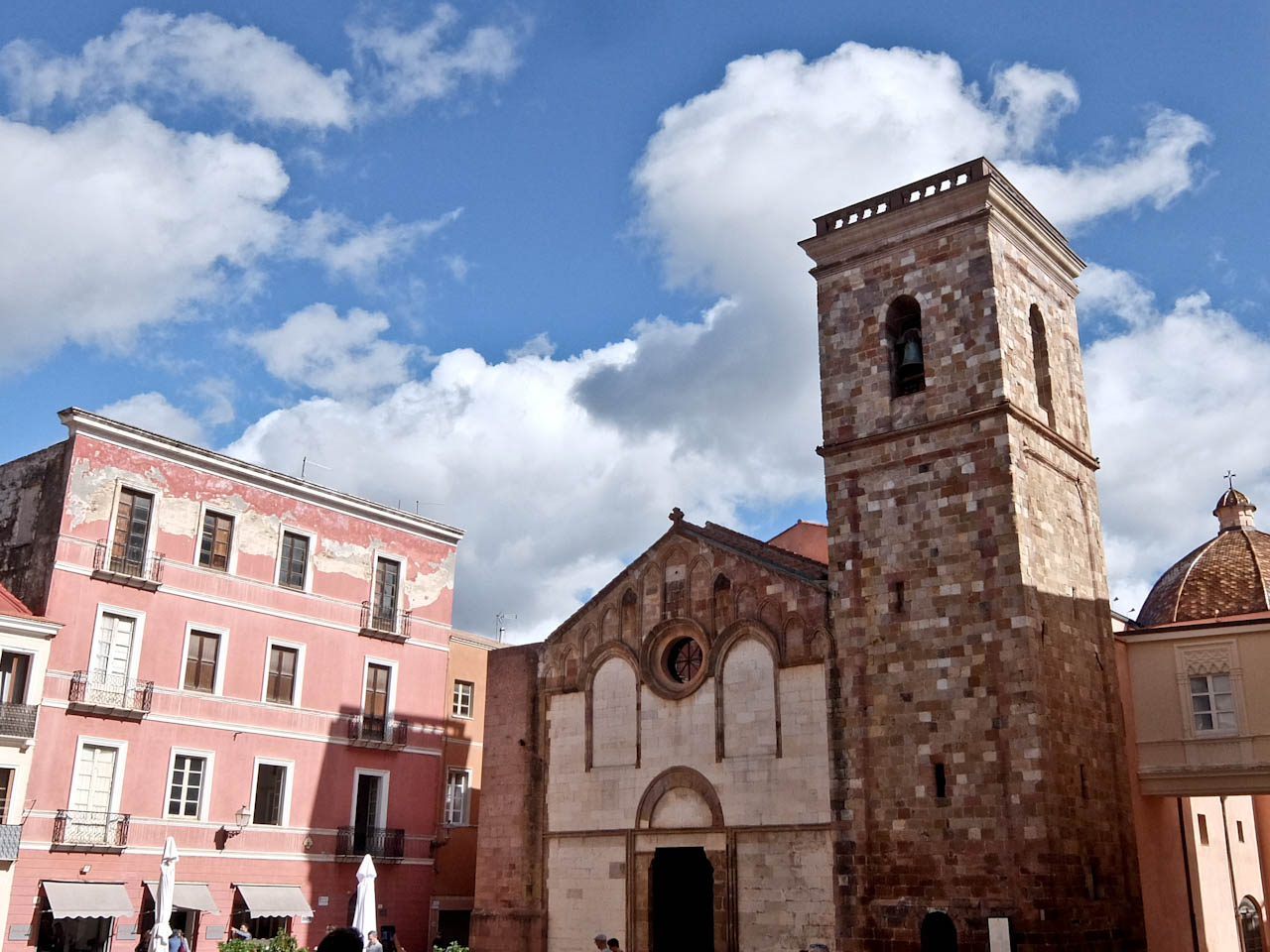
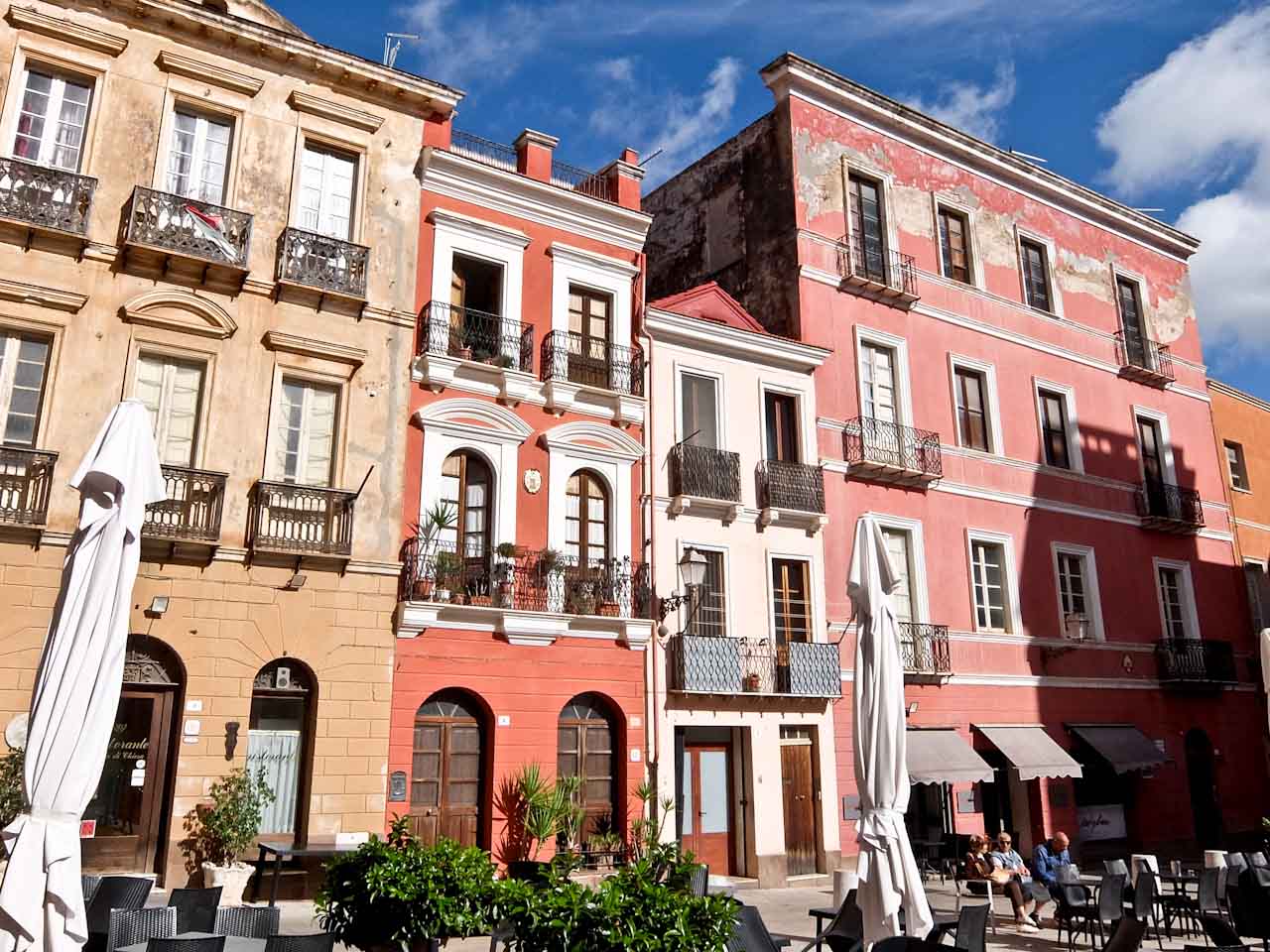
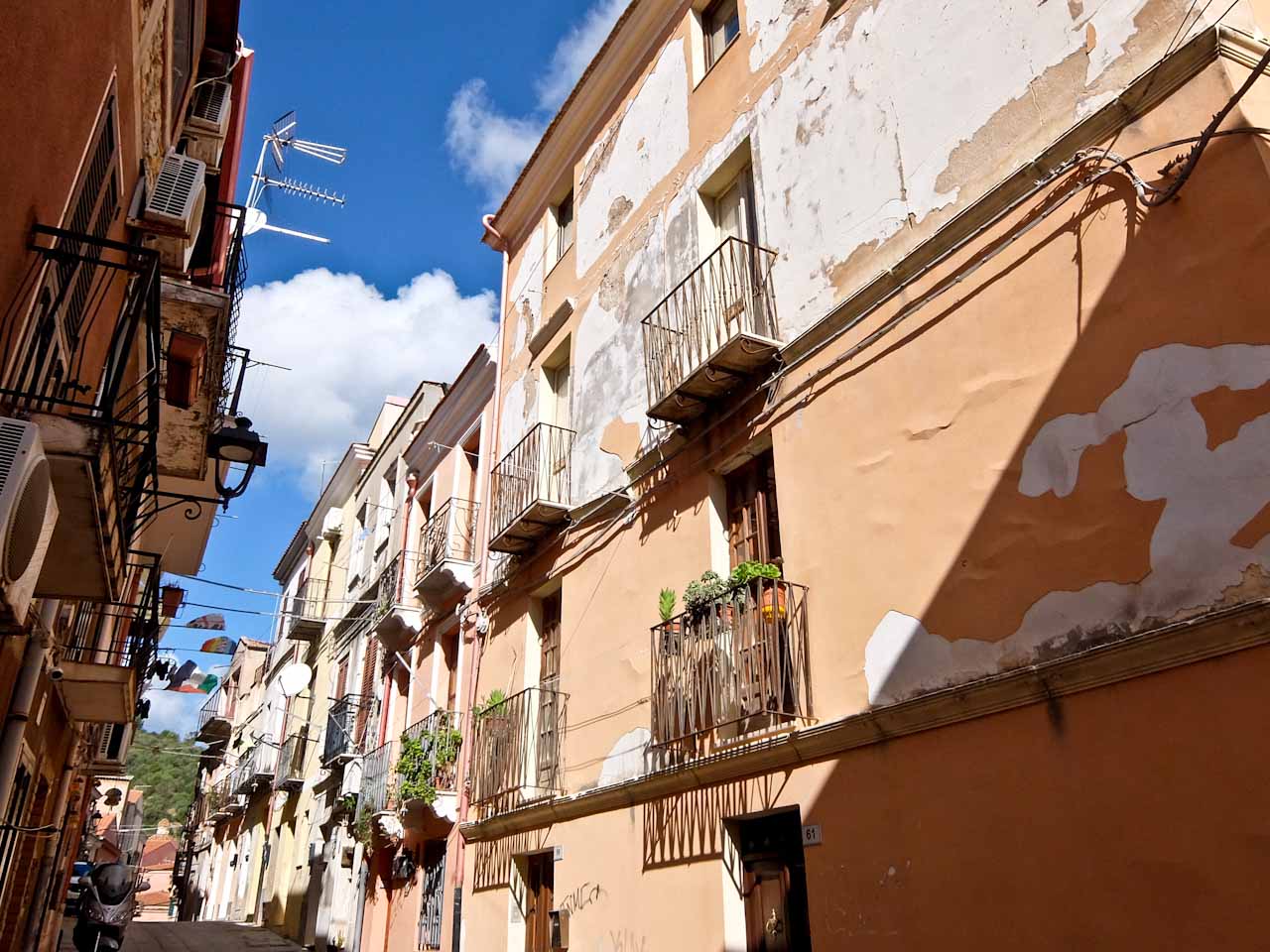
The natural place to begin is Iglesias, a historic town whose name means churches, and you’ll find plenty of those in its old centre, a maze of narrow lanes, stone façades and small squares. The town became an important centre for silver mining during the Middle Ages, later developing into one of the principal towns of Sardinia’s industrial mining era.
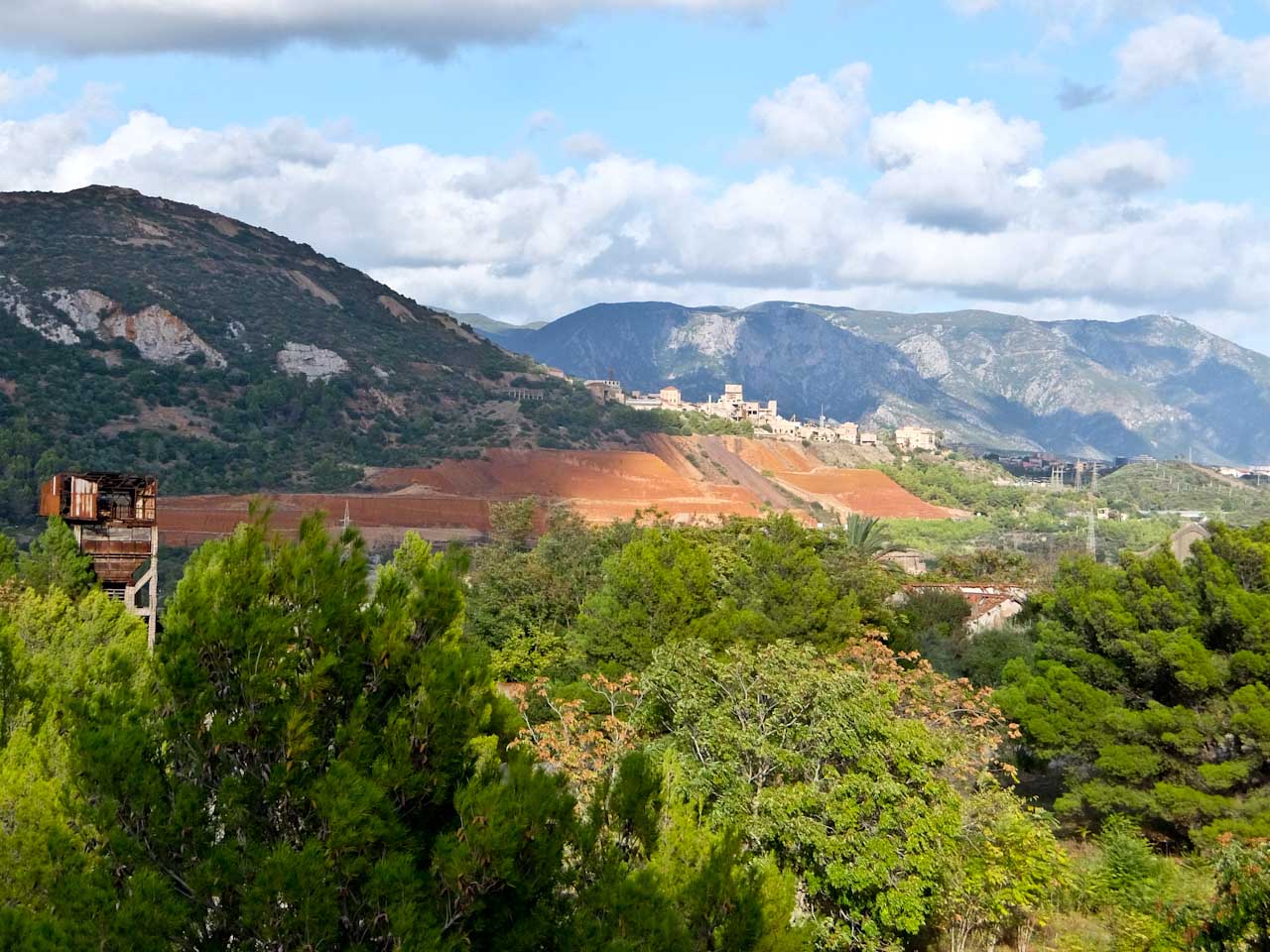
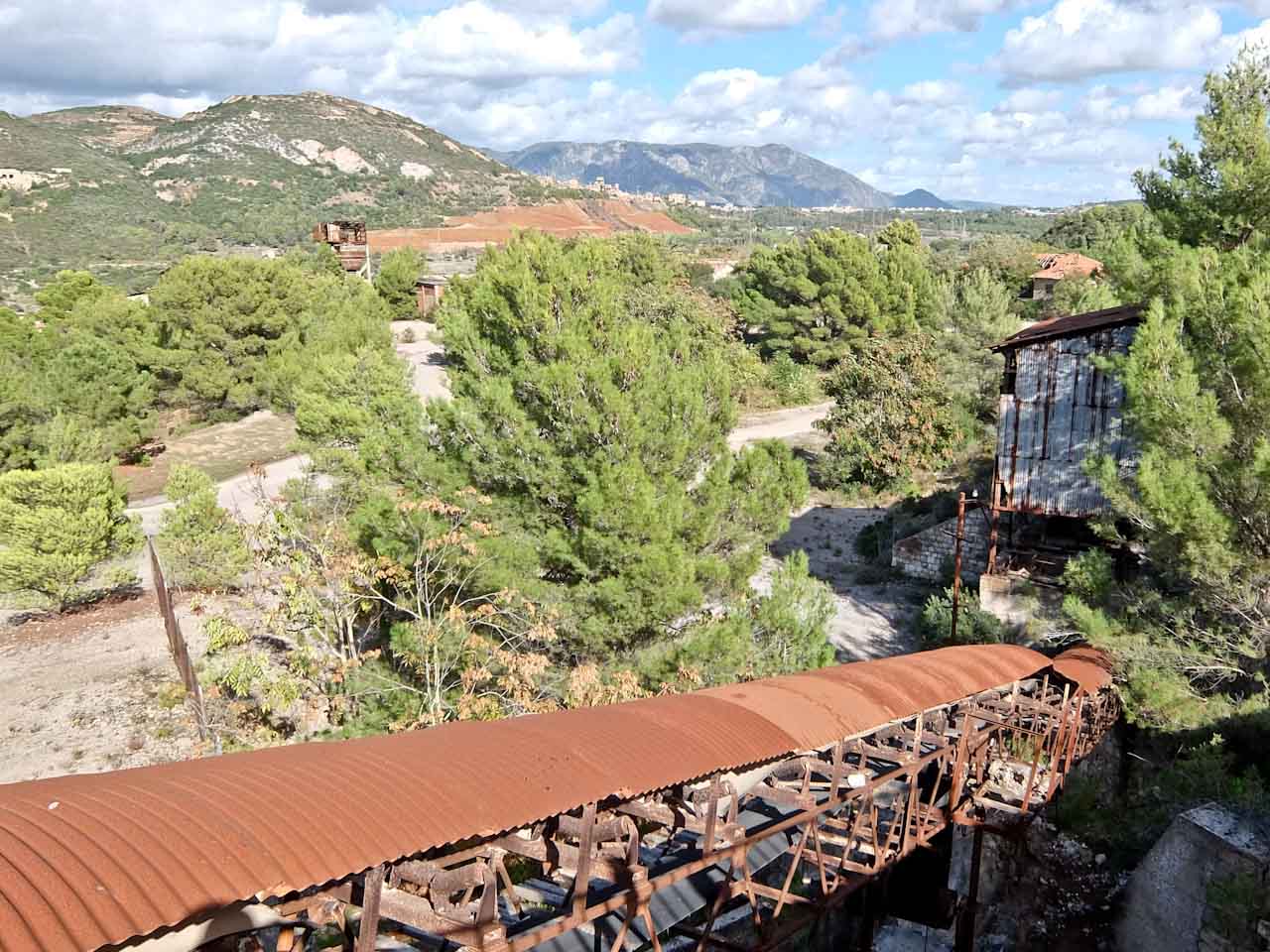
The surrounding hills are dotted with evidence of this past, from mine entrances and processing plants to workers’ settlements and abandoned railway lines. The remains of the Montopori mining complex convey the scale of an industry that once attracted workers from across the island and beyond.
San Giovanni Mine
The San Giovanni Mine is one of the oldest mines in the country, dating back to the Romans, but industrial development accelerated in the nineteenth century, with the arrival of the English Gonnesa Mining Company. The remaining buildings, rusting machinery and deep shafts tell the story of the mining industry that transformed south-west Sardinia.
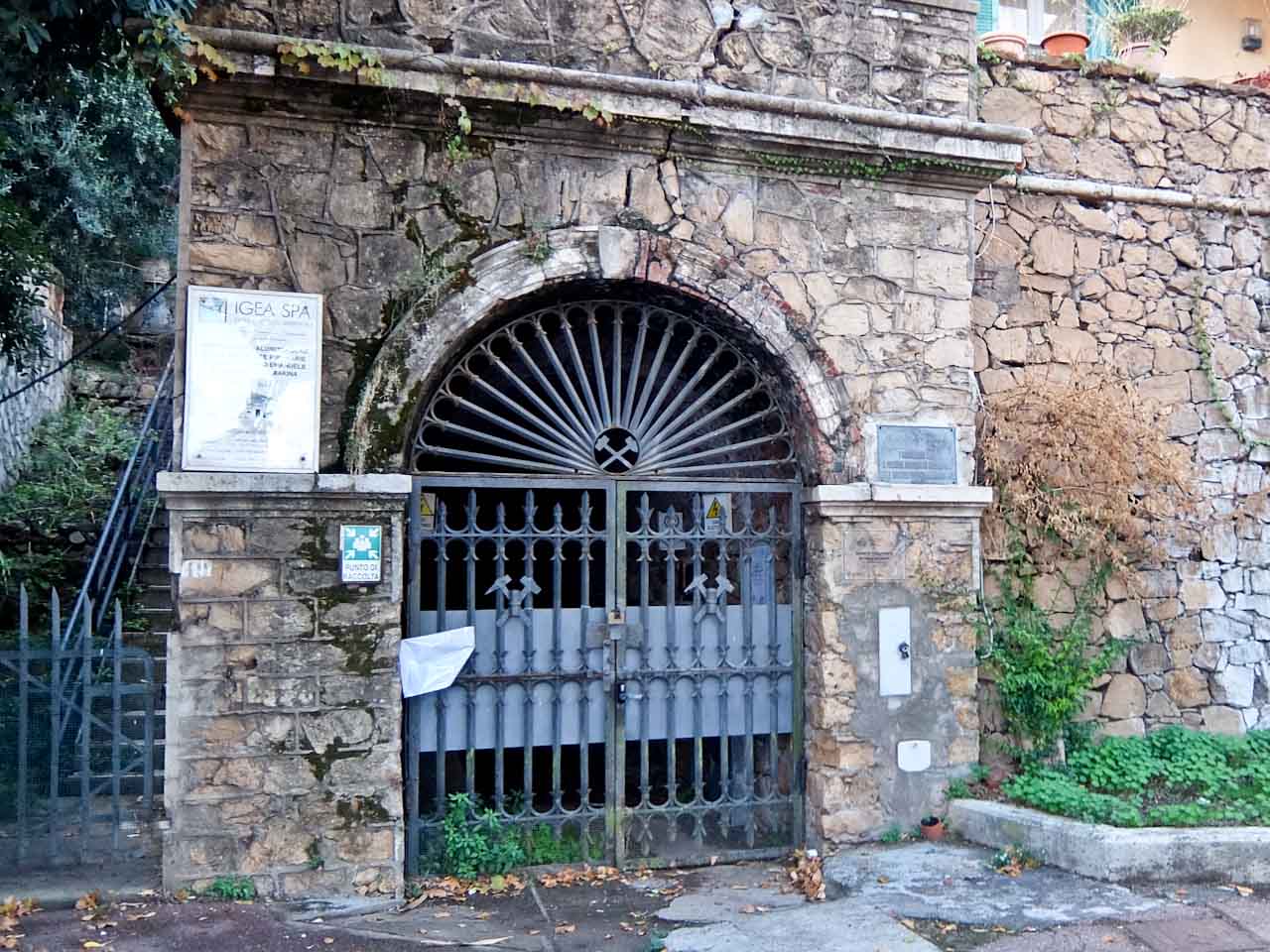
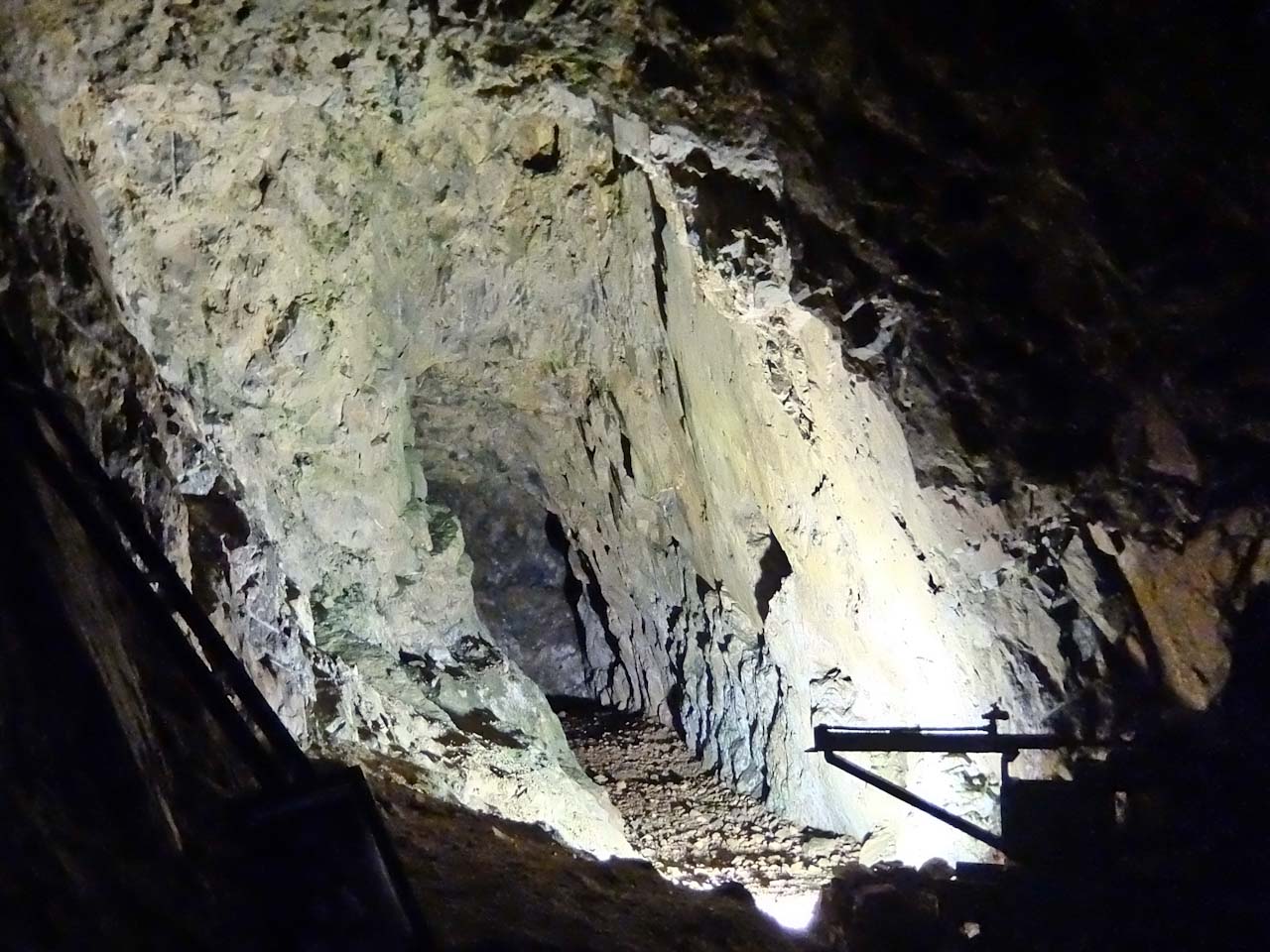
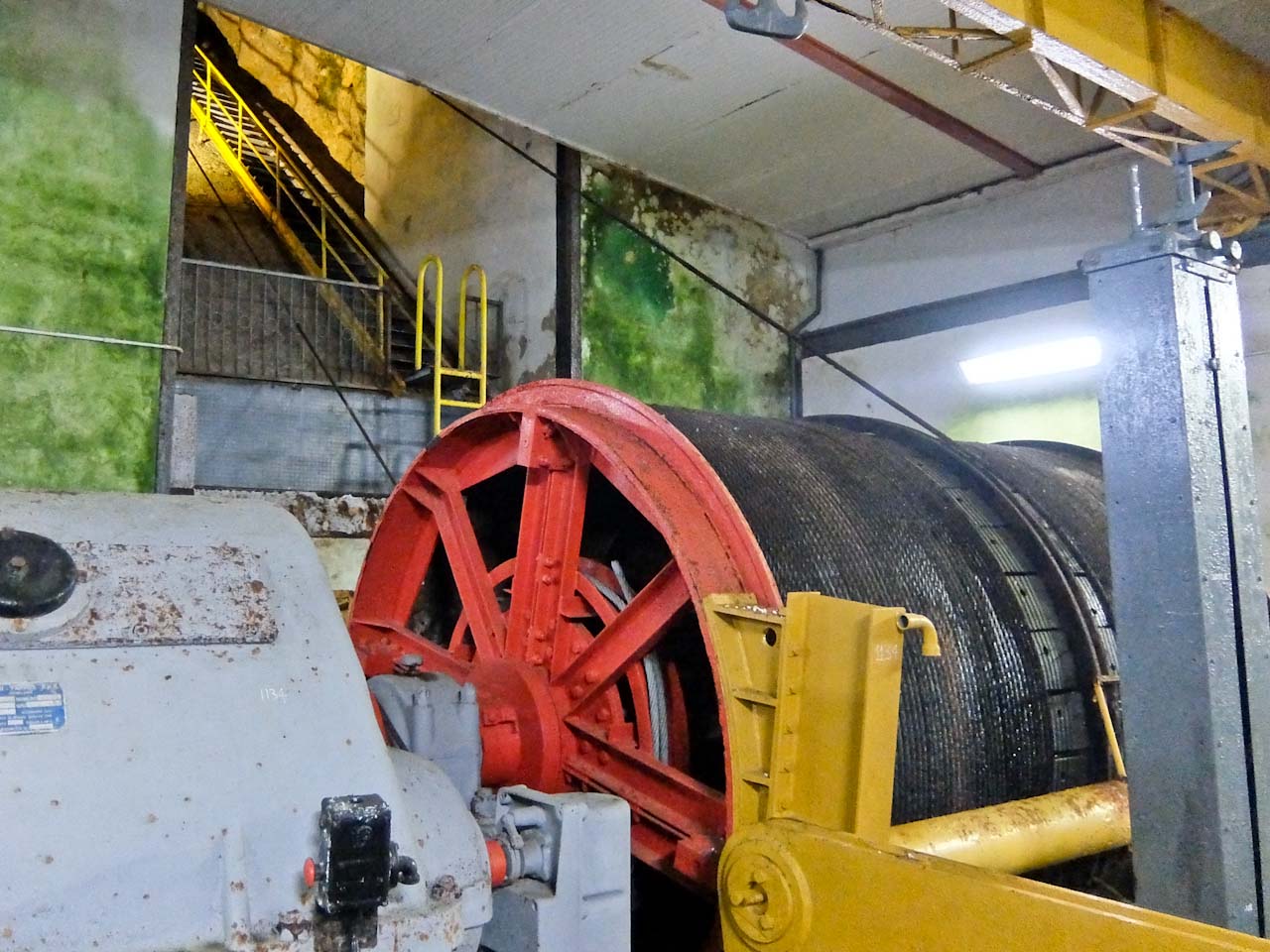
The principal ores were lead, zinc and silver and the complex remained active until 1998, when San Giovanni was the last mine in the Iglesiente district to close. Around the wider complex, the old processing facilities and industrial remains reveal how extensive the operation once was. The former miners’ settlement, known as Villaggio Normann, adds another dimension, showing how the industry dominated the island’s community.
Santa Barbara Cave: a hidden underground cathedral
The most astonishing discovery in this district lies hidden inside the mine. The Santa Barbara Cave was discovered by accident in 1952, when miners excavating a passage through the mountain broke into a vast natural chamber. What they found was a geological treasure that had remained concealed from the outside world.
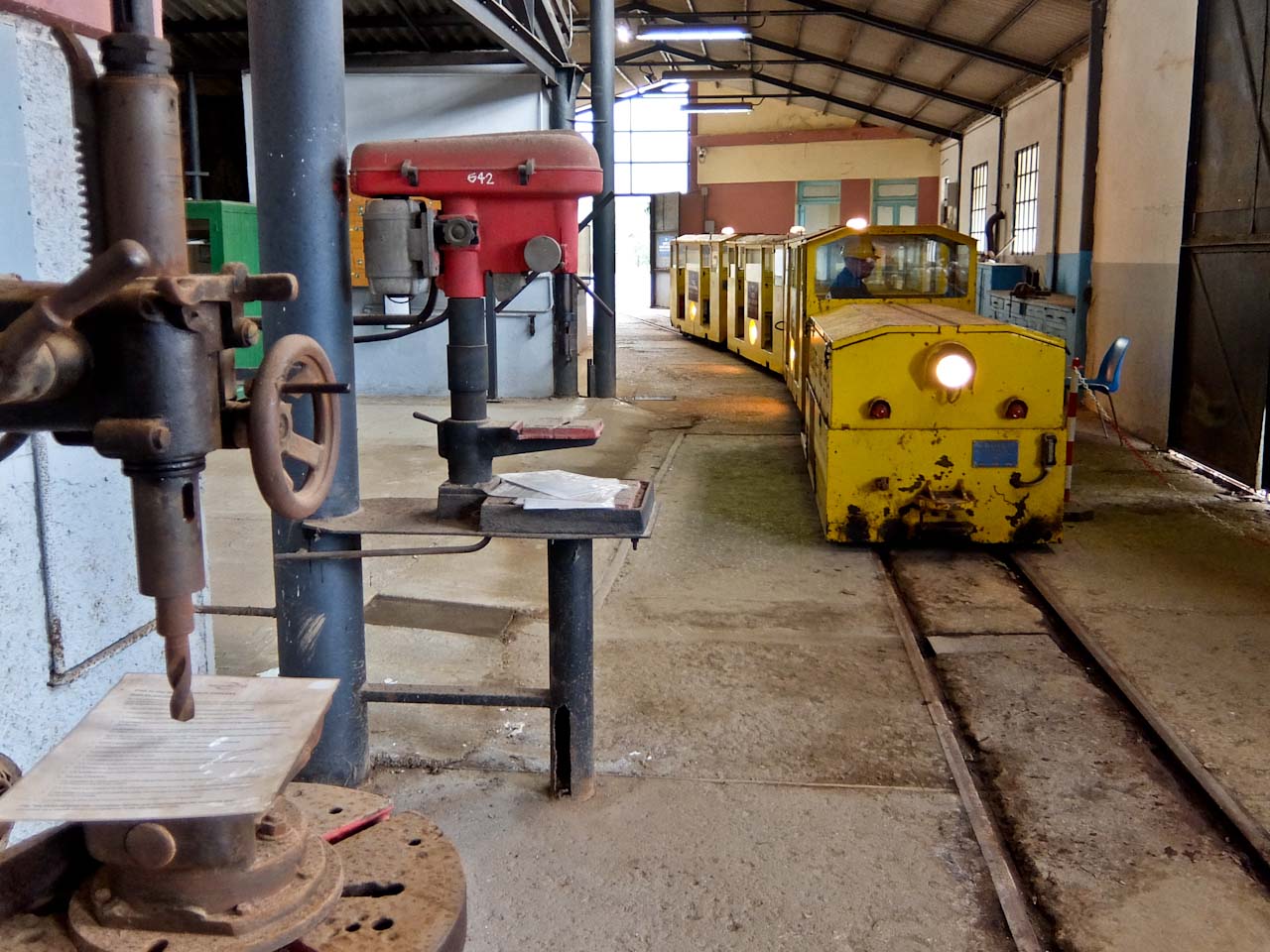
Reaching the cave is an adventure in itself. You take a small motorised train into an underground tunnel before taking an elevator up a shaft. A spiral staircase leads into the cave, revealing the chamber in dramatic fashion.
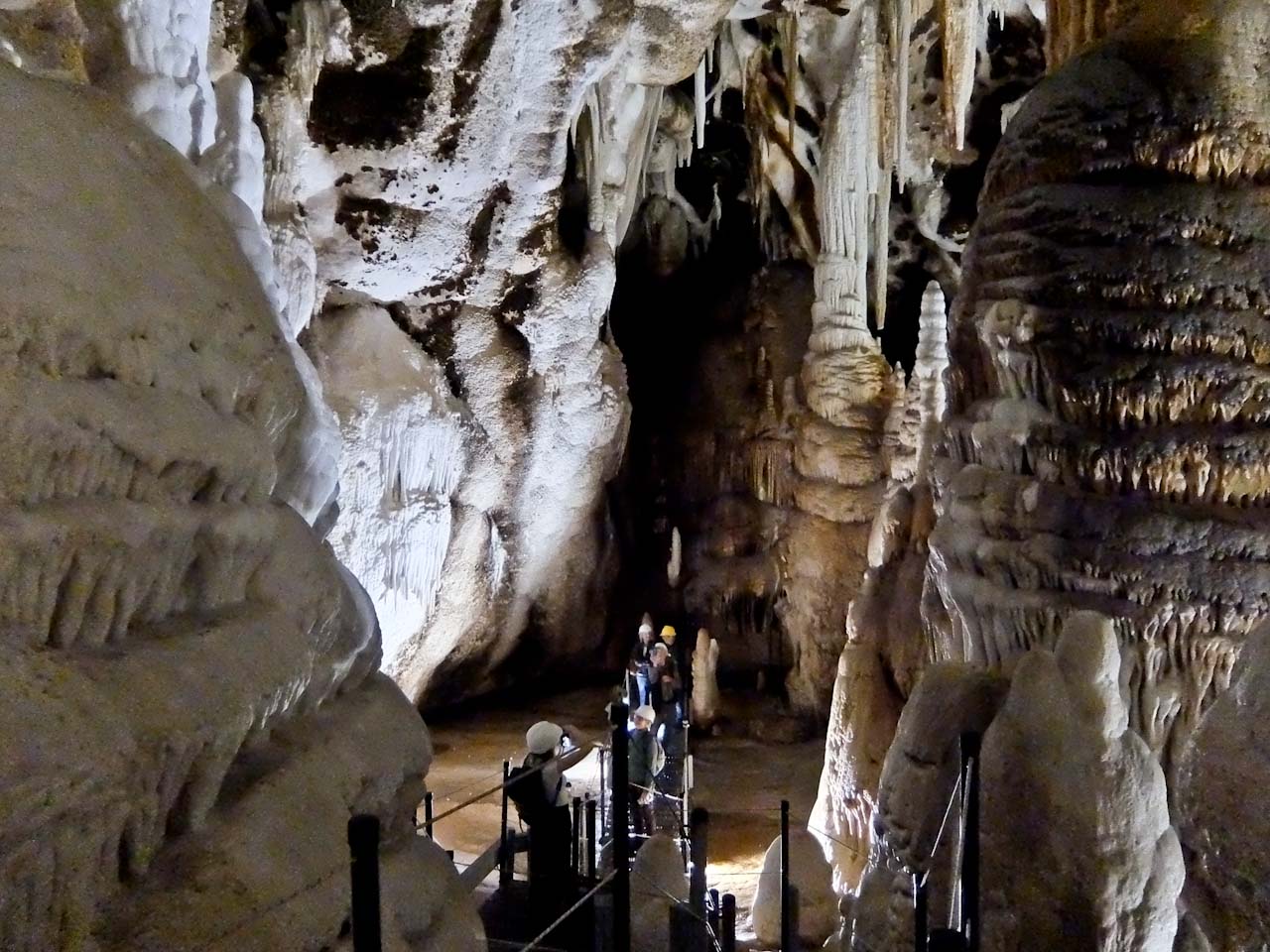
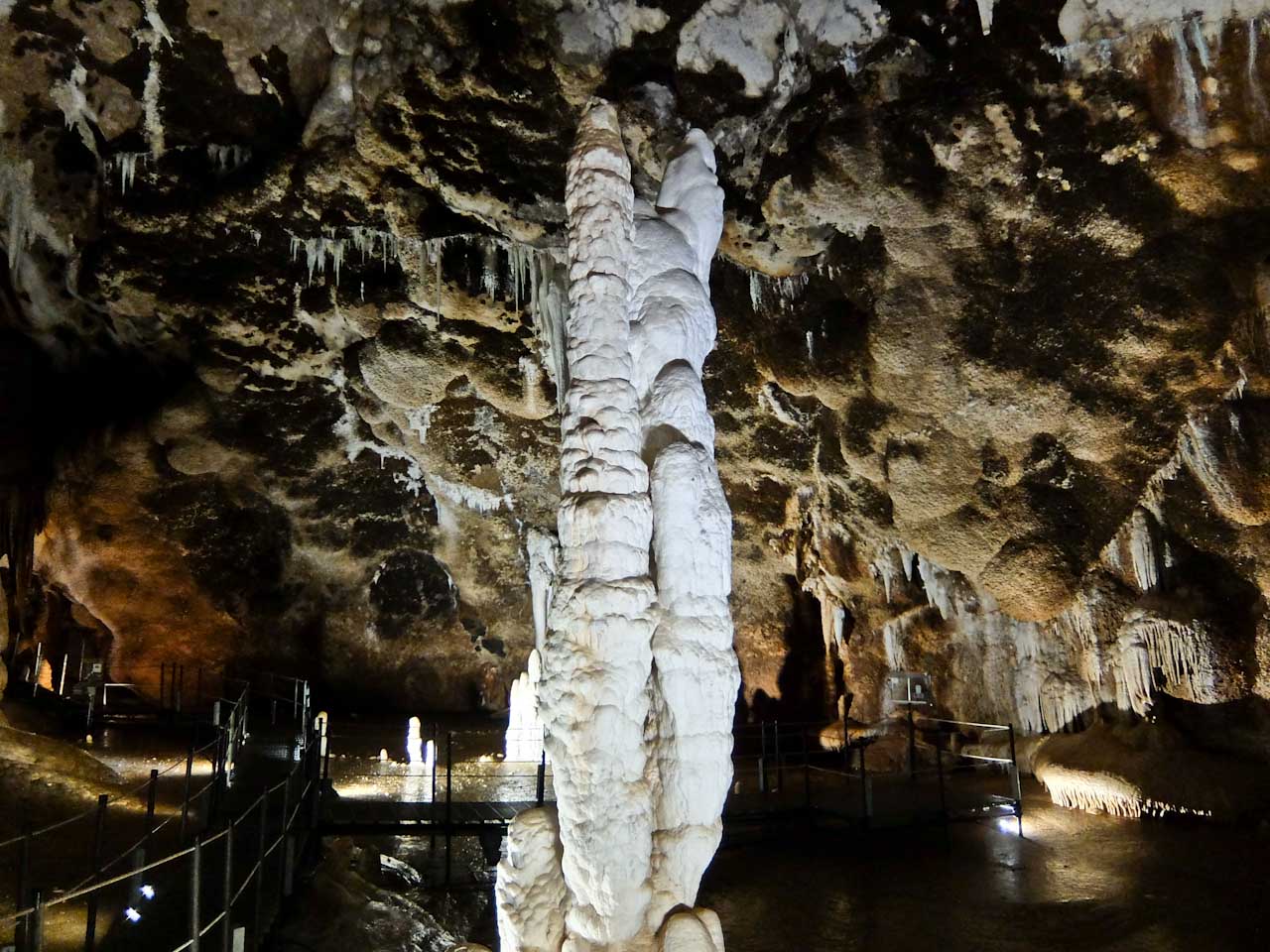
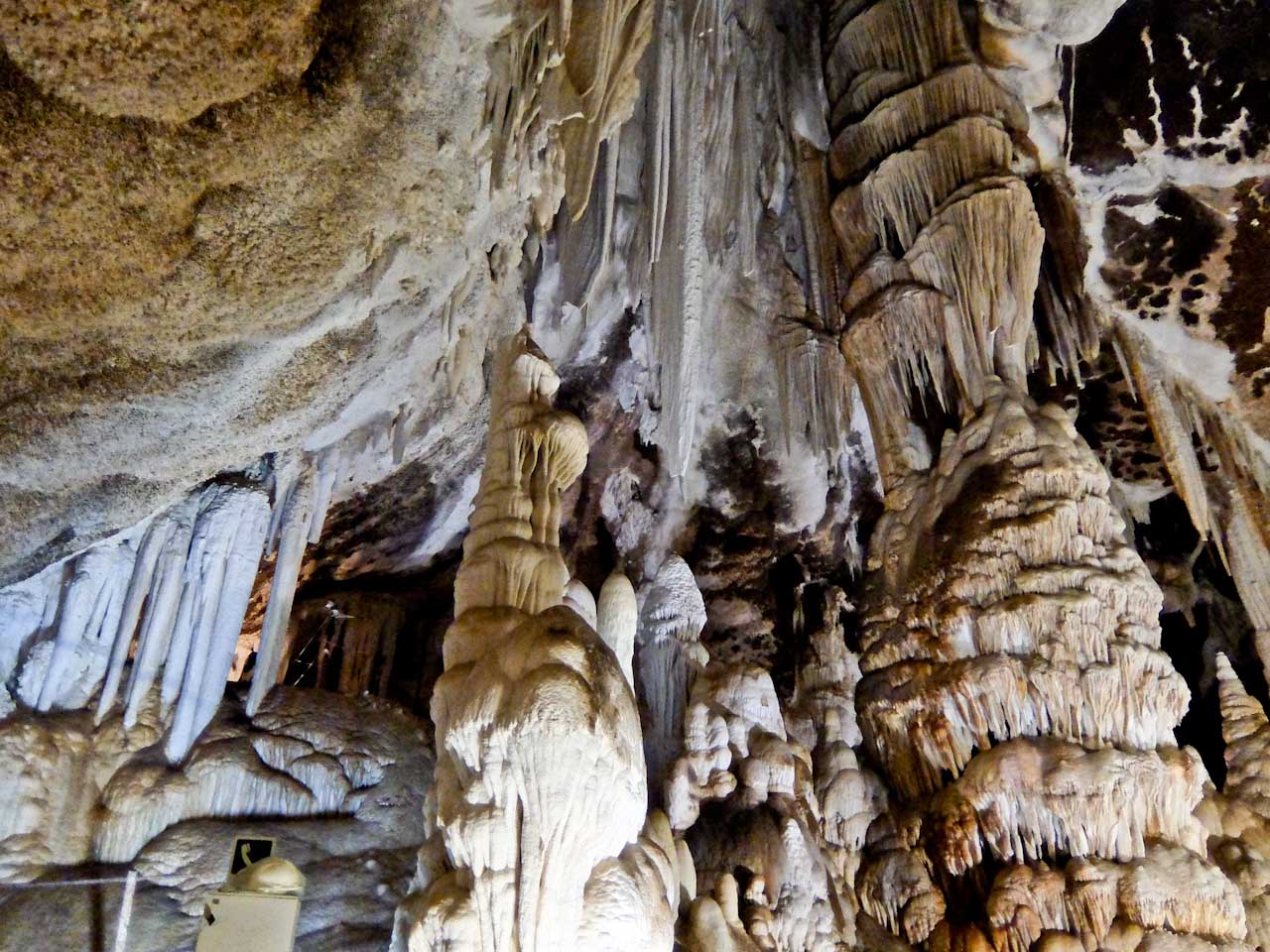
The cave is remarkable for its dark brown, tabular barite crystals, which cover sections of the walls in striking patterns. Limestone and silicified dolomite frame the chamber, while mineral deposits, stalactites and stalagmites create an almost architectural spectacle.
Hike from Nebida to Masua
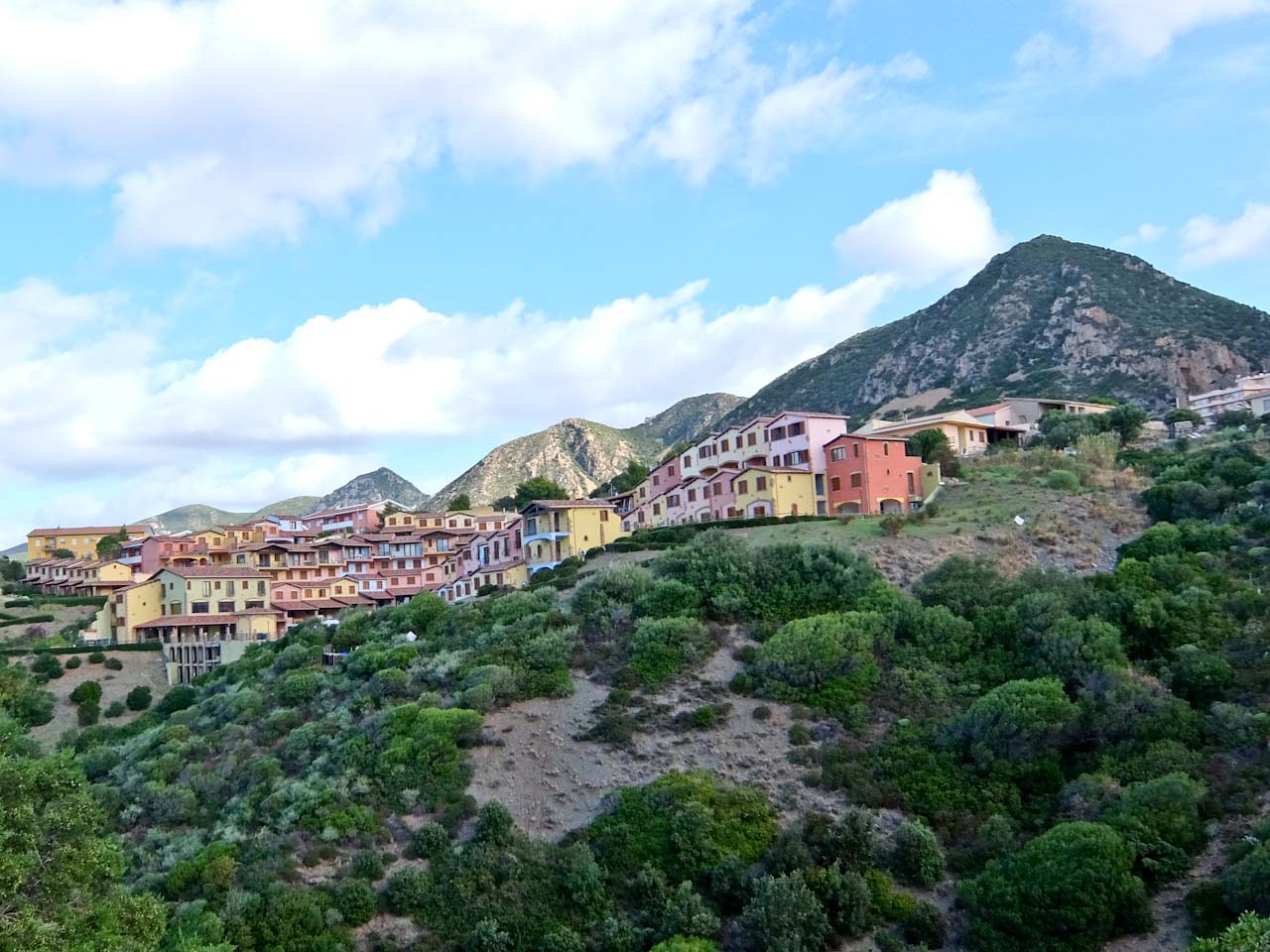
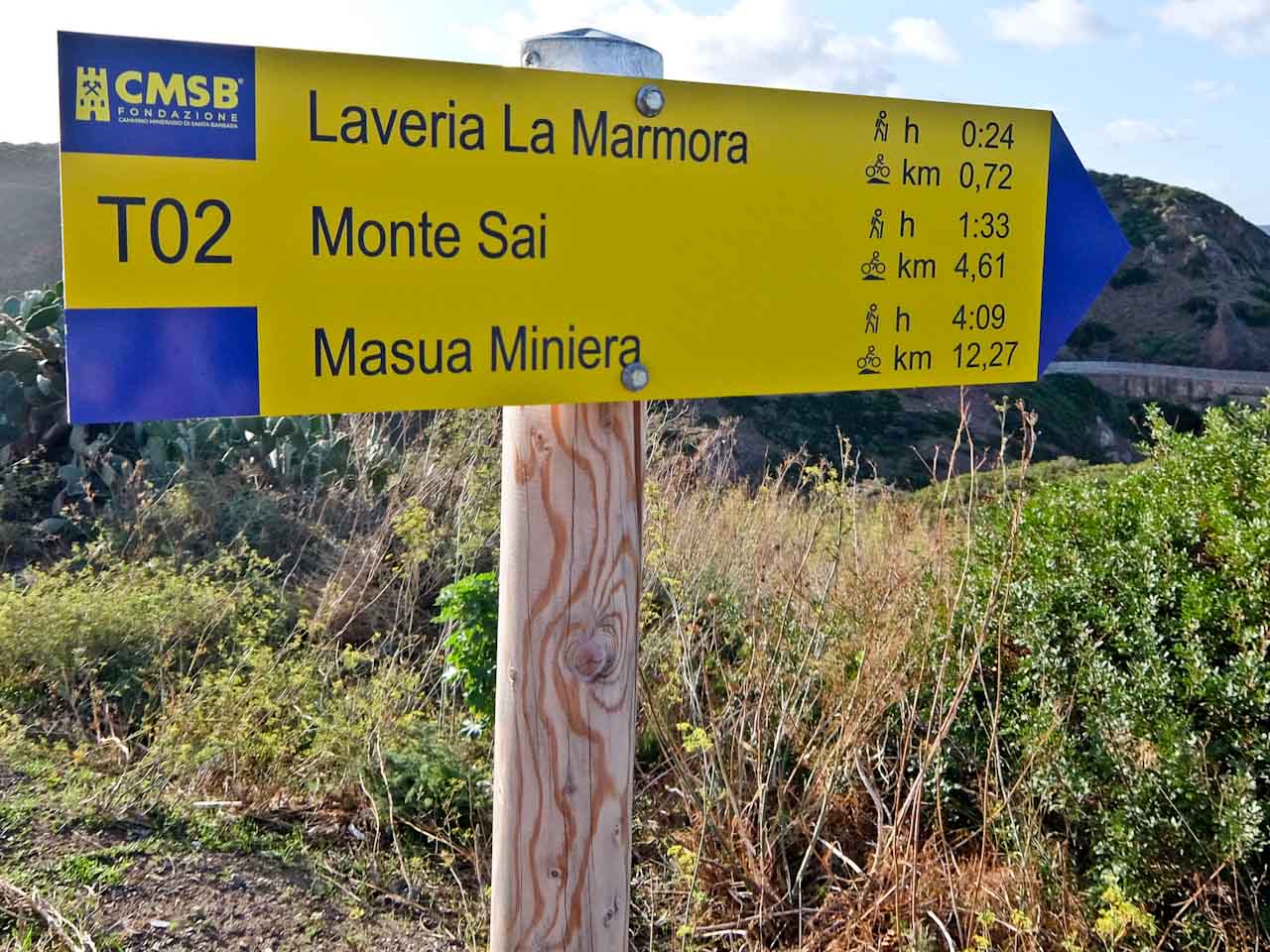
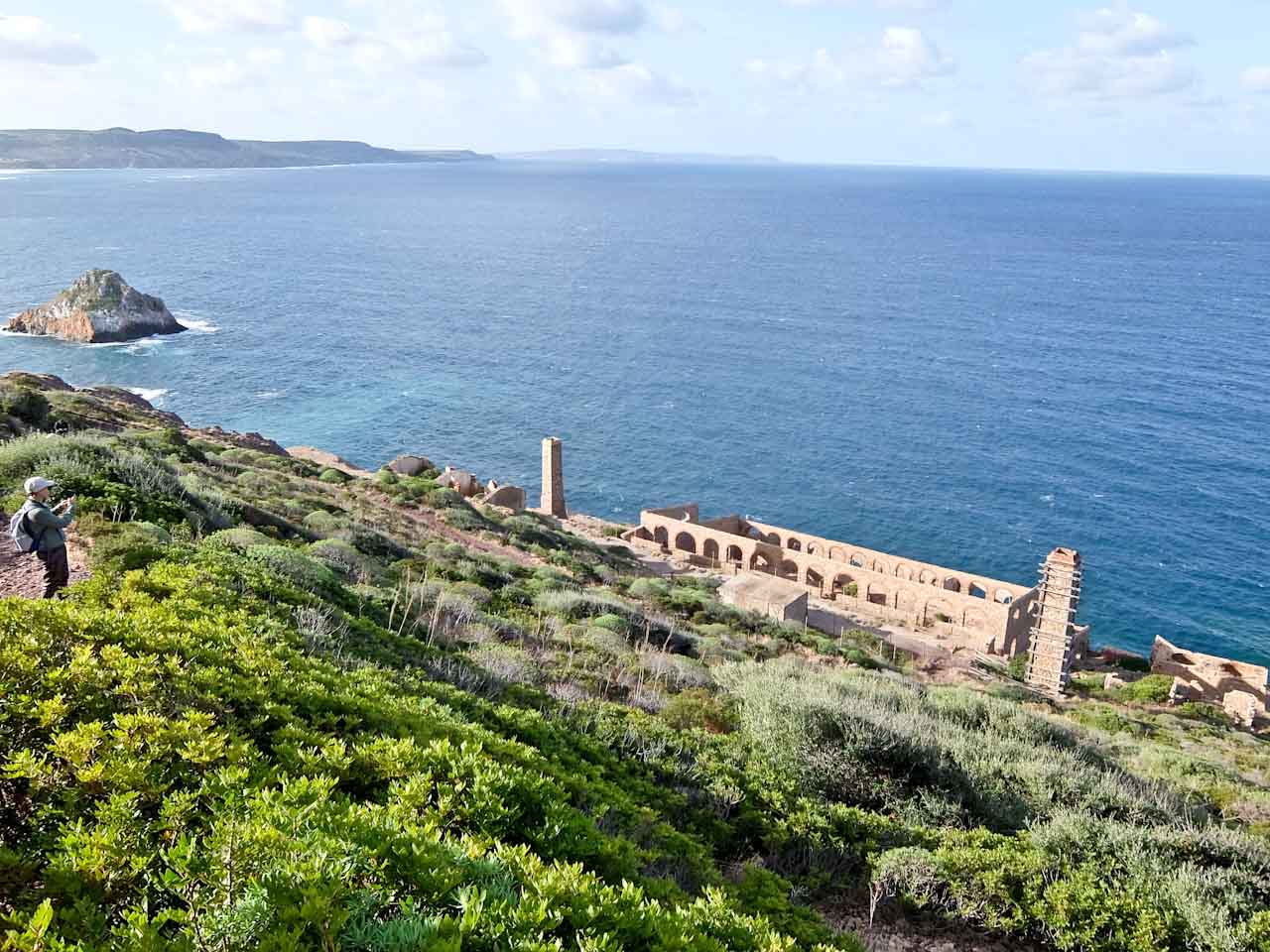
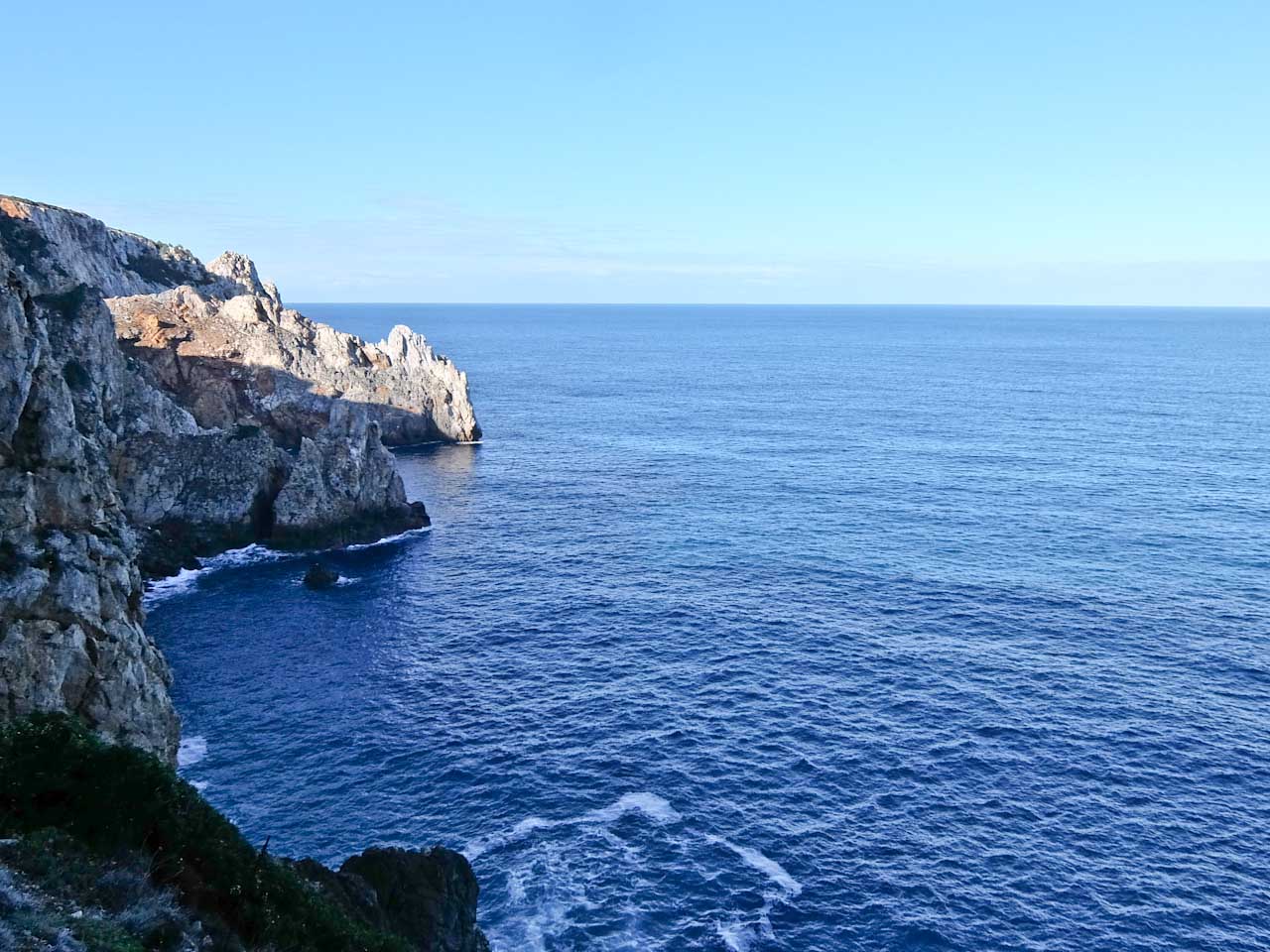
Stage 2 of the trail, after a day hiking from Iglesias, is one of the highlights of the entire Cammino. Leaving Nebida for Masua, the path hugs the rugged cliffs above the Laveria Lamarmora, a ruined washing plant sitting by the shore. The sea shifts from deep indigo to brilliant turquoise as the light changes.
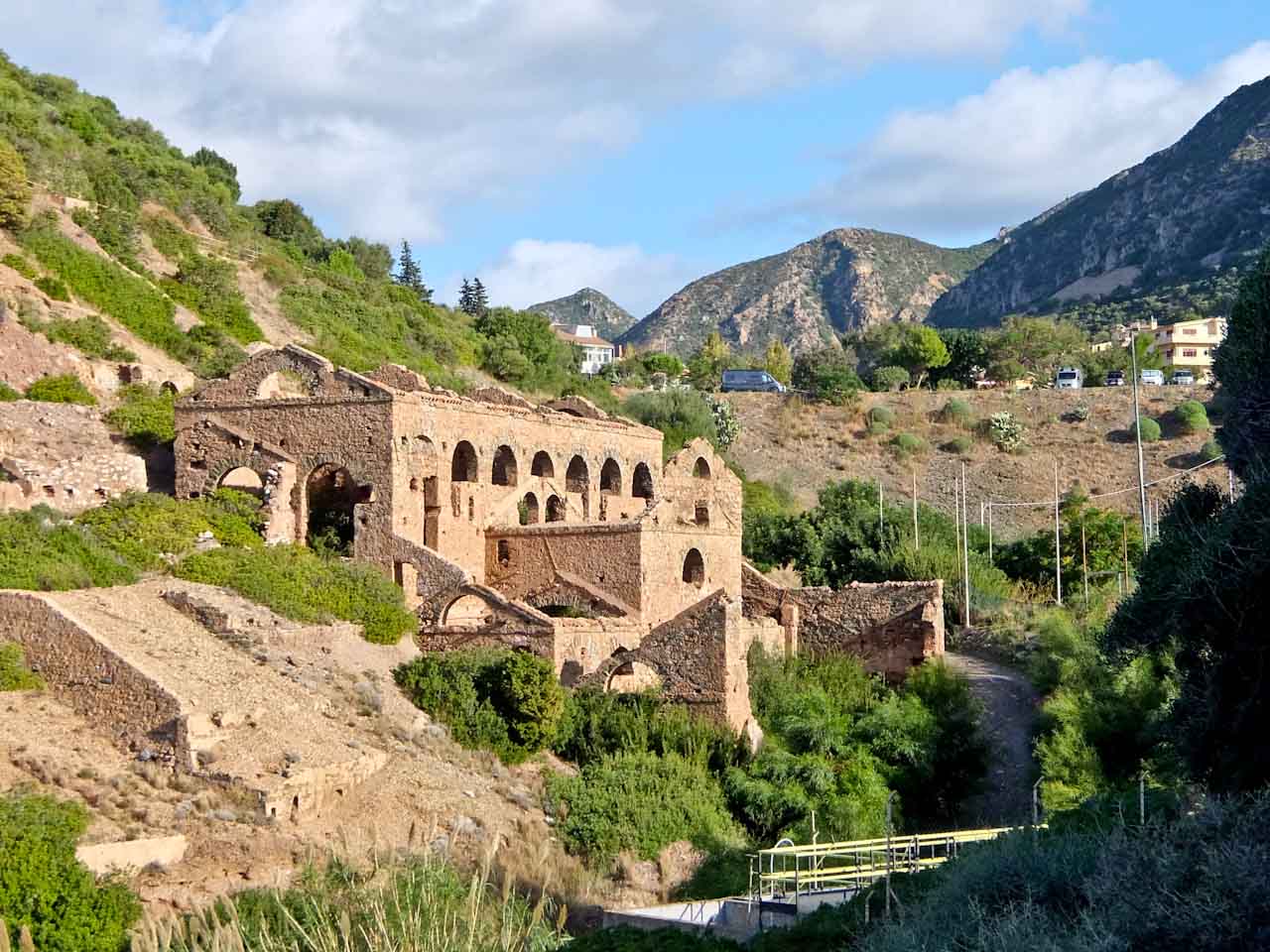
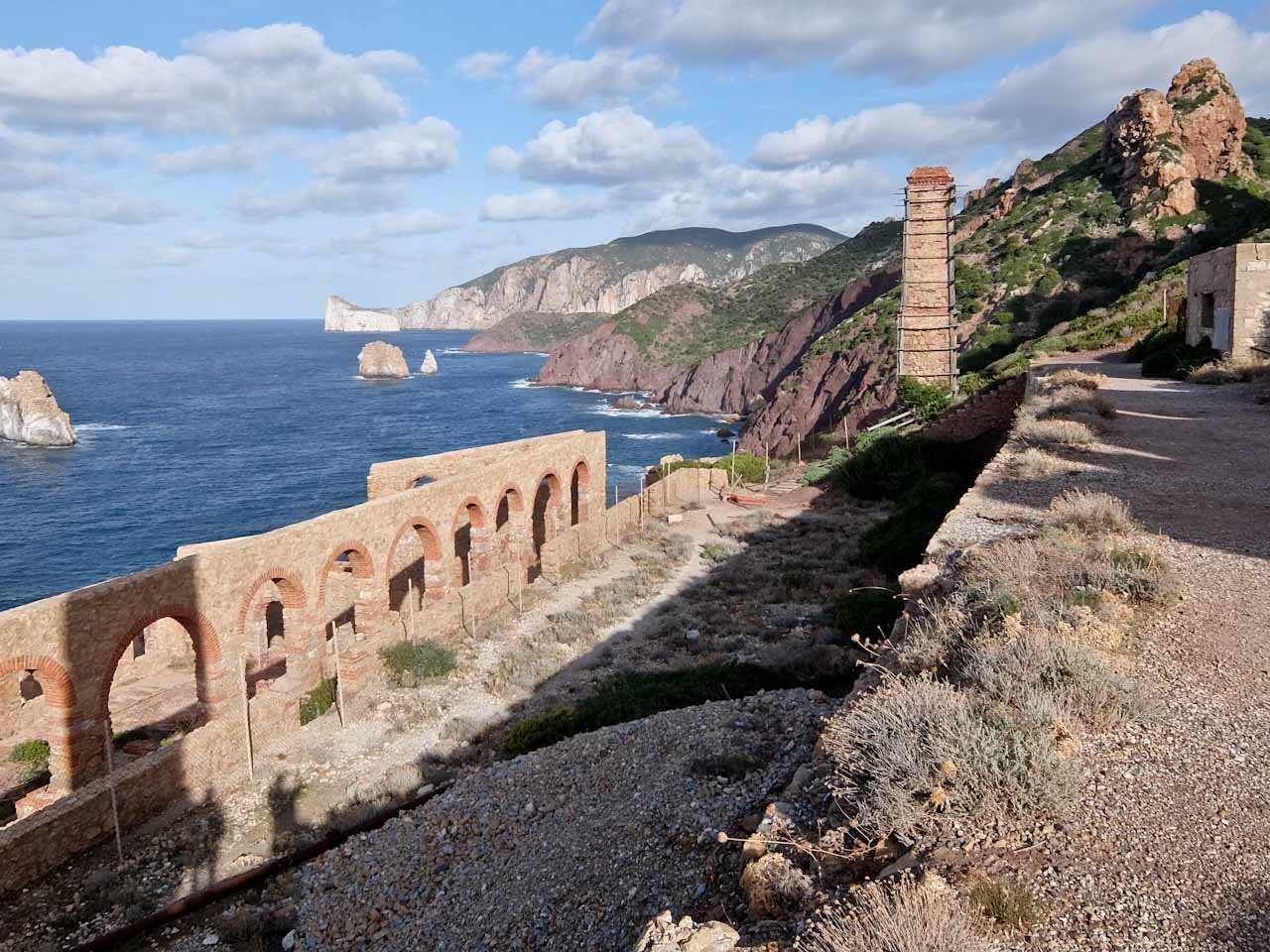
Further on, there are steep ascents and descents, exposed stretches and uneven paths, so sturdy footwear and a head for heights are useful. As you approach Porto Flavia, the famous rock formation of Pan di Zucchero rises from the water like a gigantic white monument. The steep cliffs surrounding the Sugar Loaf are particularly impressive.
Porto Flavia: an extraordinary harbour carved into a cliff
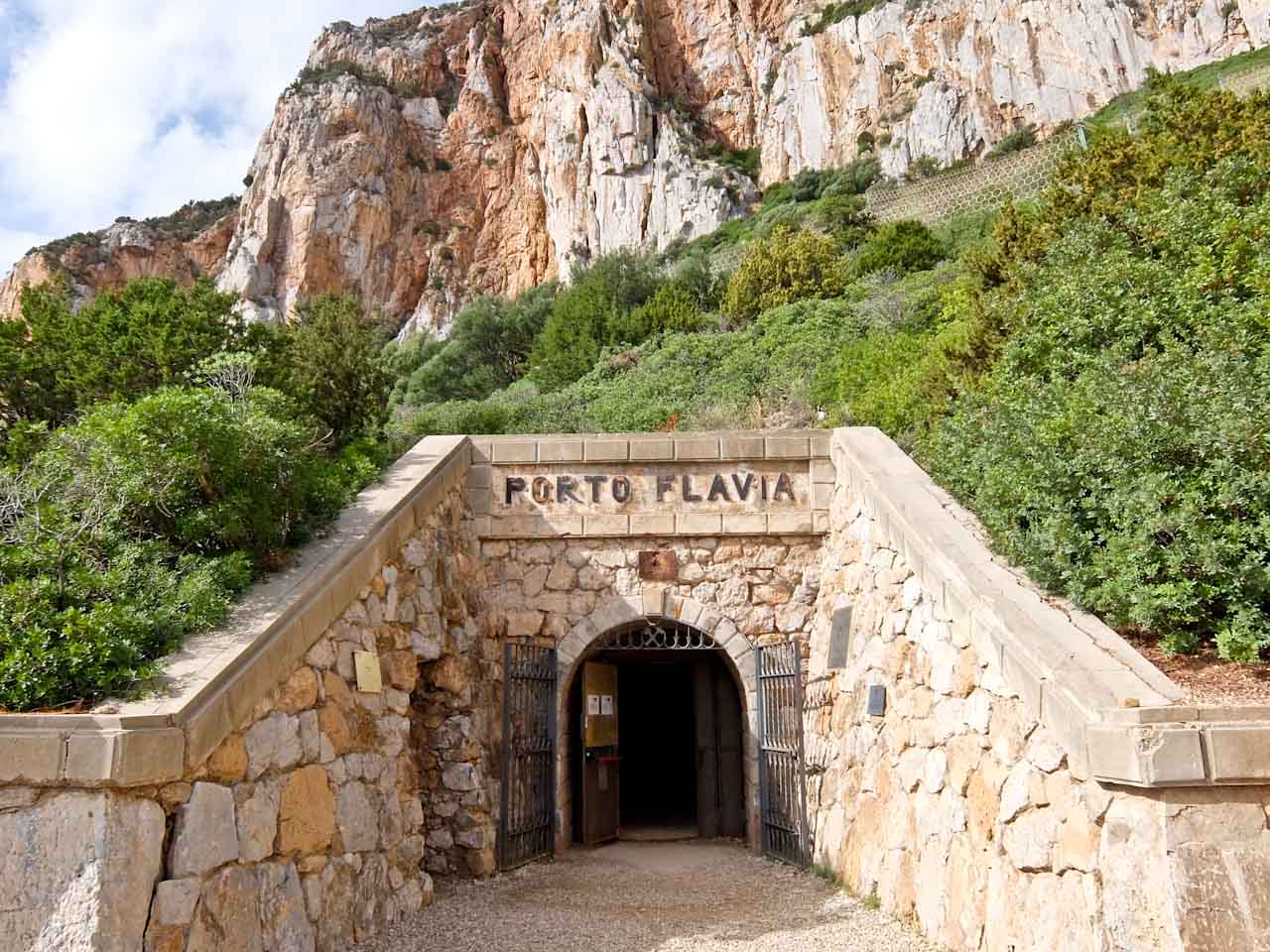
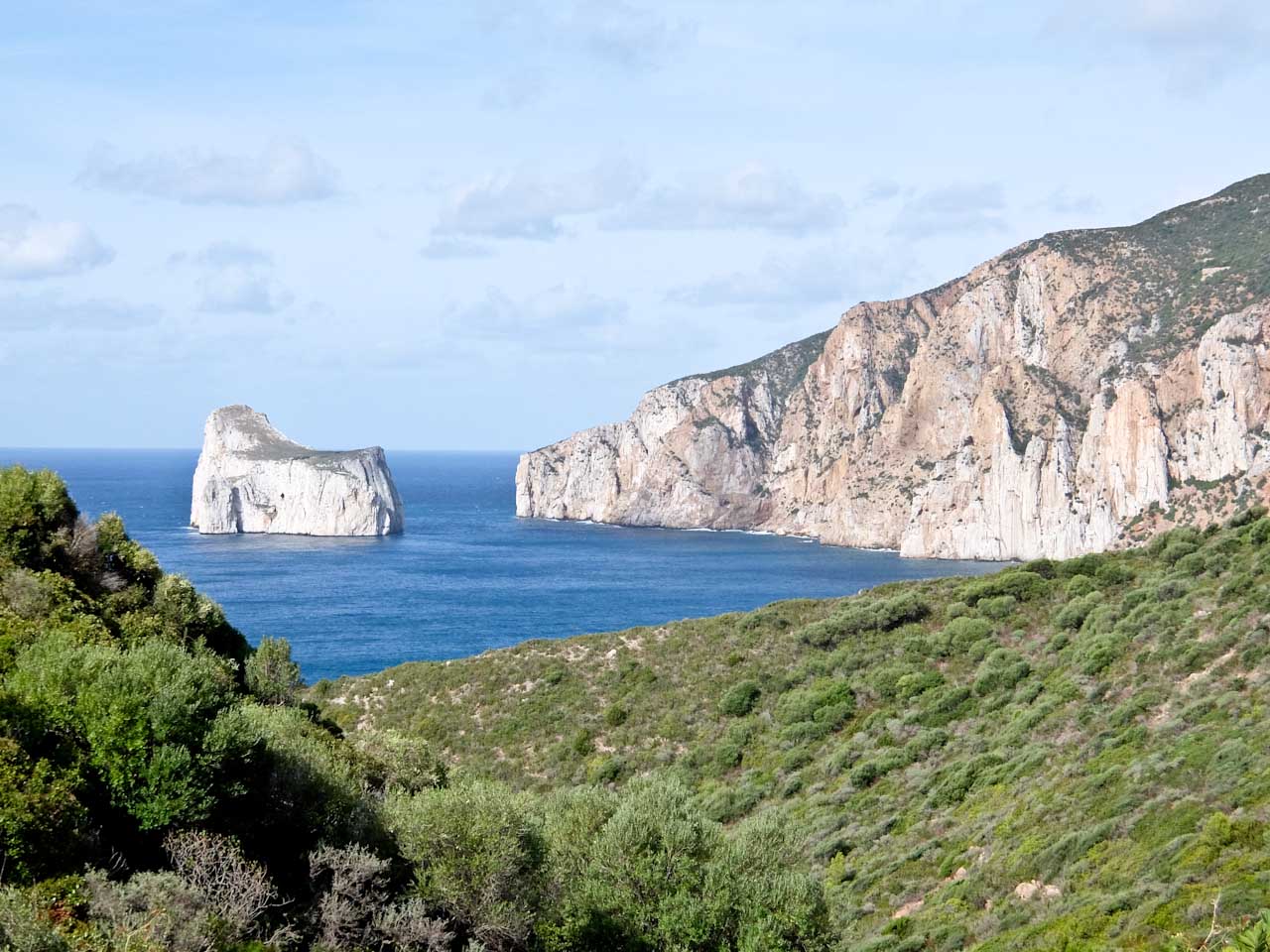
Carved into the cliff at Porto Flavia is an ingenious mining installation completed in 1924. Two superimposed tunnels were cut into the rock, connected by vertical storage silos. Ore from the mines was brought by rail into the upper system, then dropped to the lower gallery where a conveyor belt carried the minerals directly onto ships anchored below
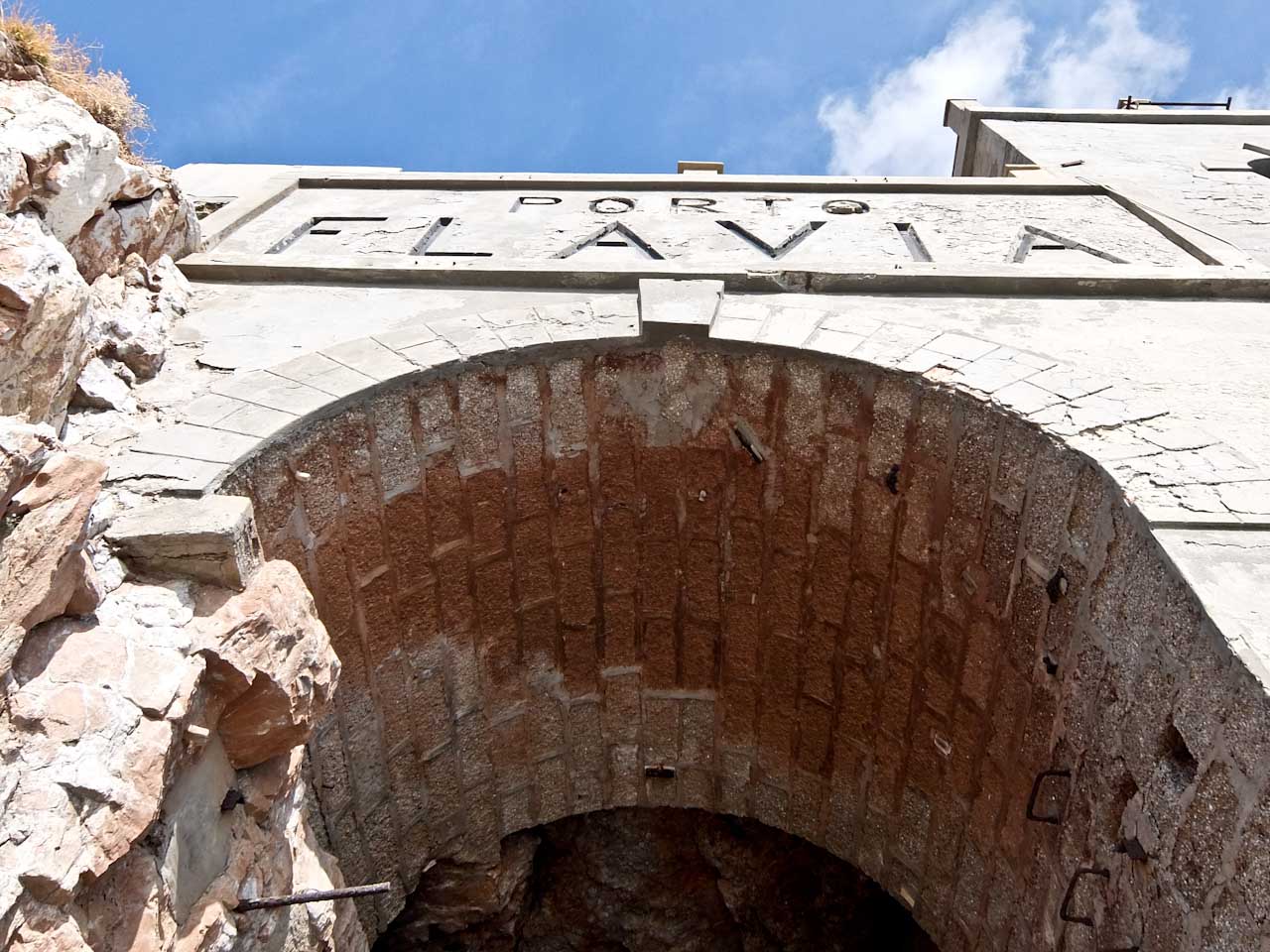
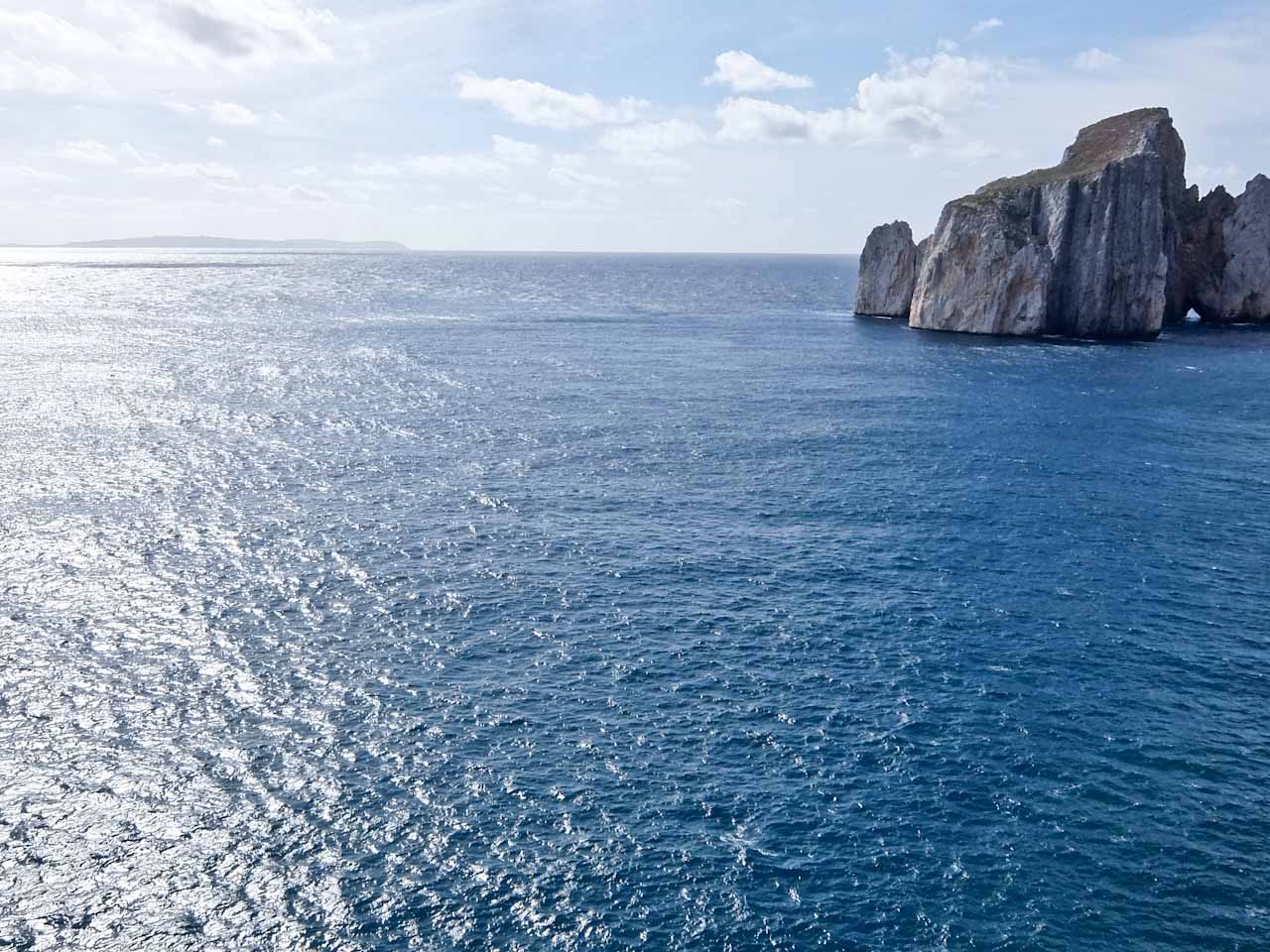
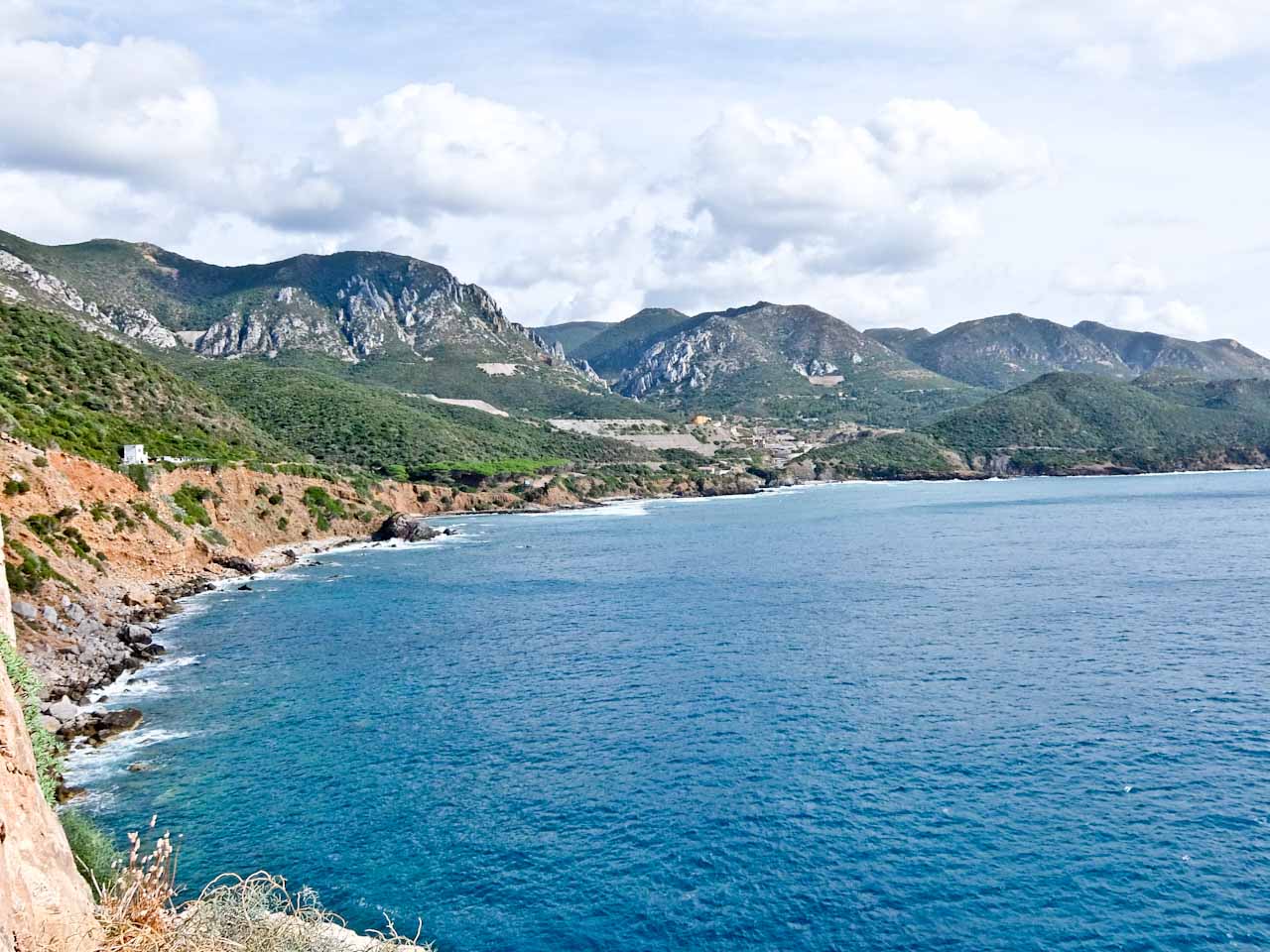
Walking through the galleries, you can see how the designers exploited the natural contours of the cliff to create an efficient mineral-loading system. Openings in the rock offer dramatic views over the sea, while the tunnels themselves reveal the scale of the excavation. Here the industrial landscape becomes epic, yet its purpose was simply to make mining more efficient and generate more profit.
Henry Gallery at Buggerru: a railway through the mountain
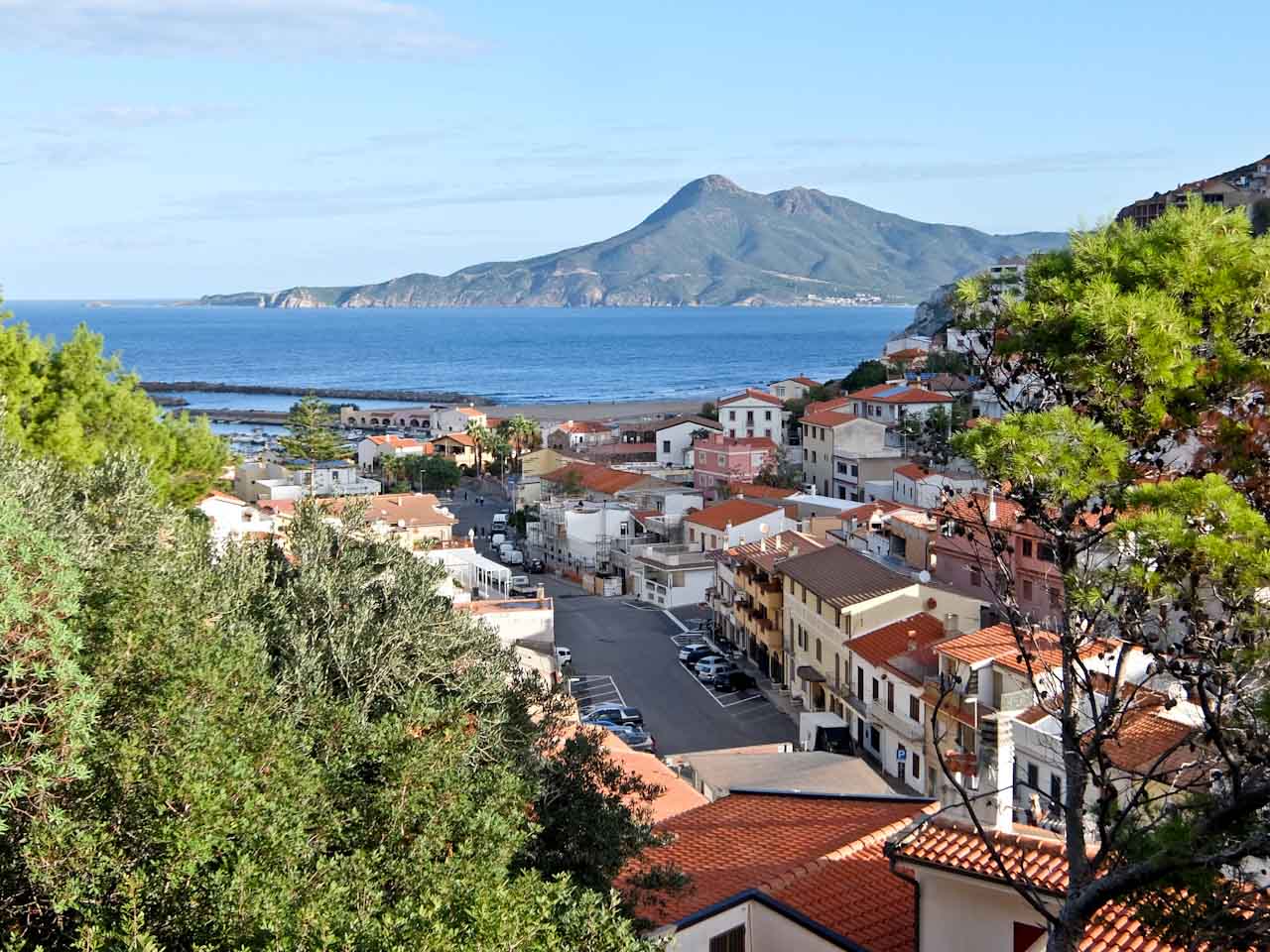
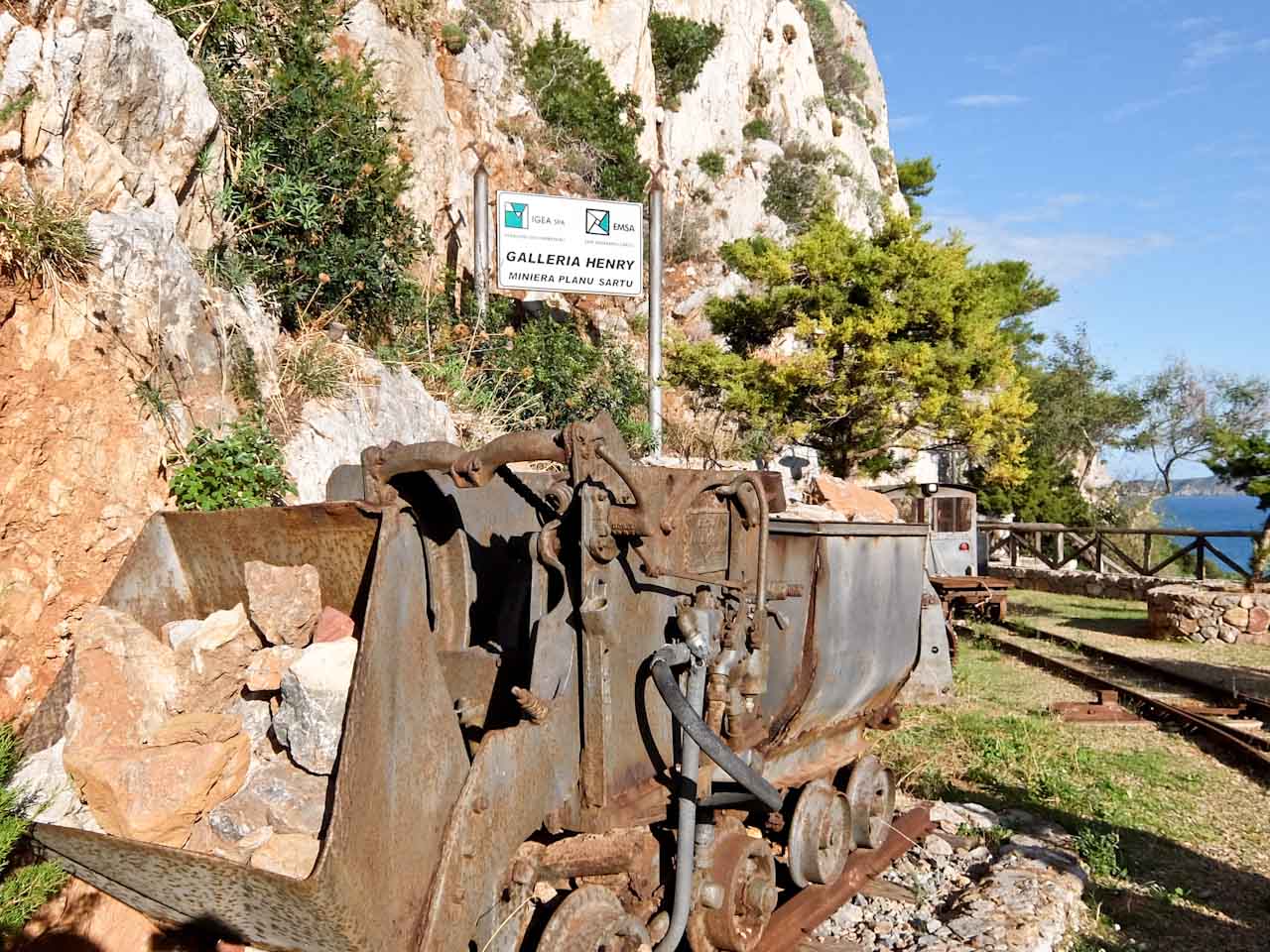
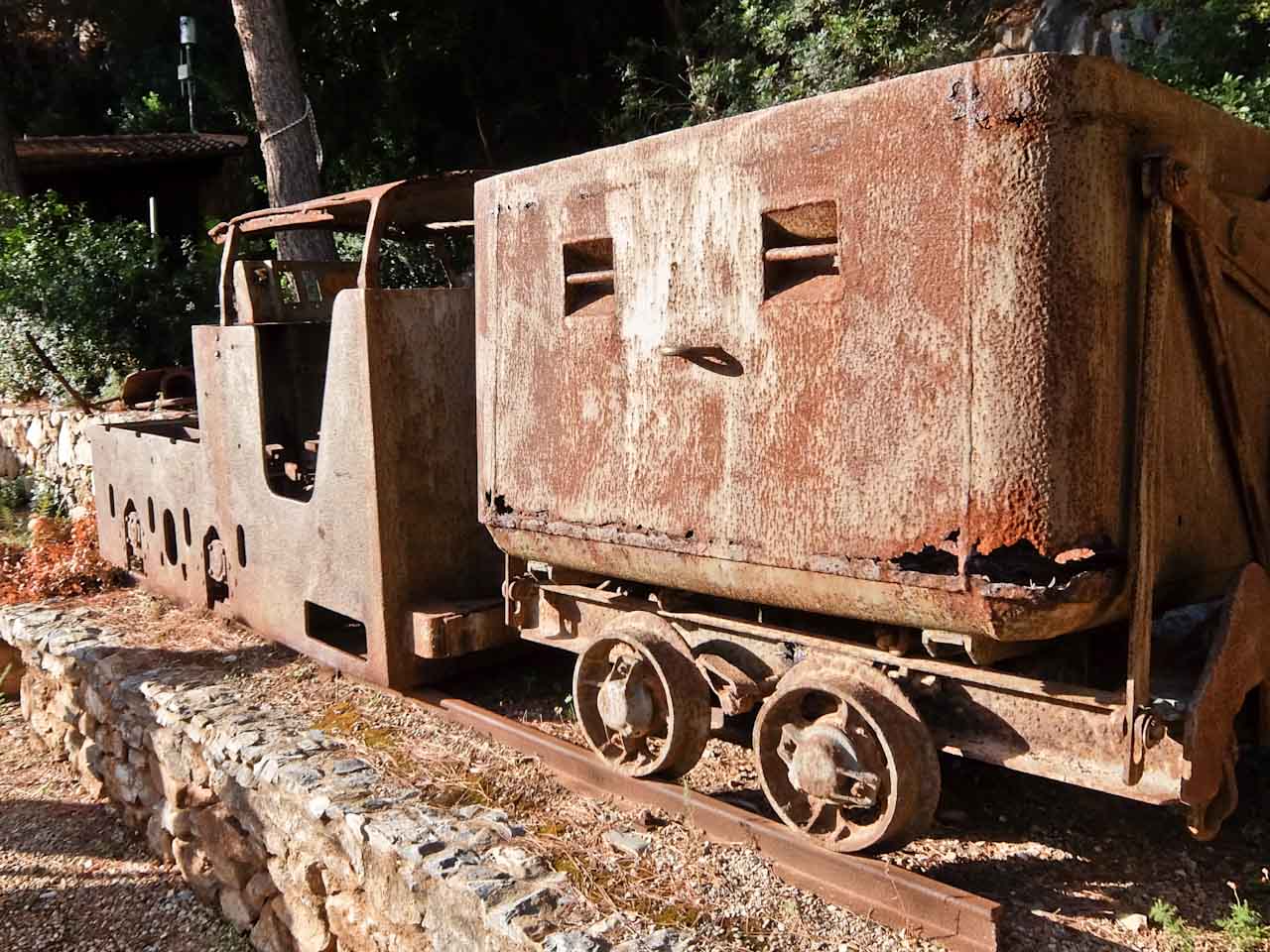
The next stage follows the coast to the town of Buggerru, once an important mining settlement and known as Little Paris because of its French owners. They were responsible for the Henry Gallery, an extensive tunnel carved through the rocky Pranu Sartu plateau above the town. Originally mules and other pack animals were used to get the ore out, but they were replaced in 1892 by a steam-powered railway.
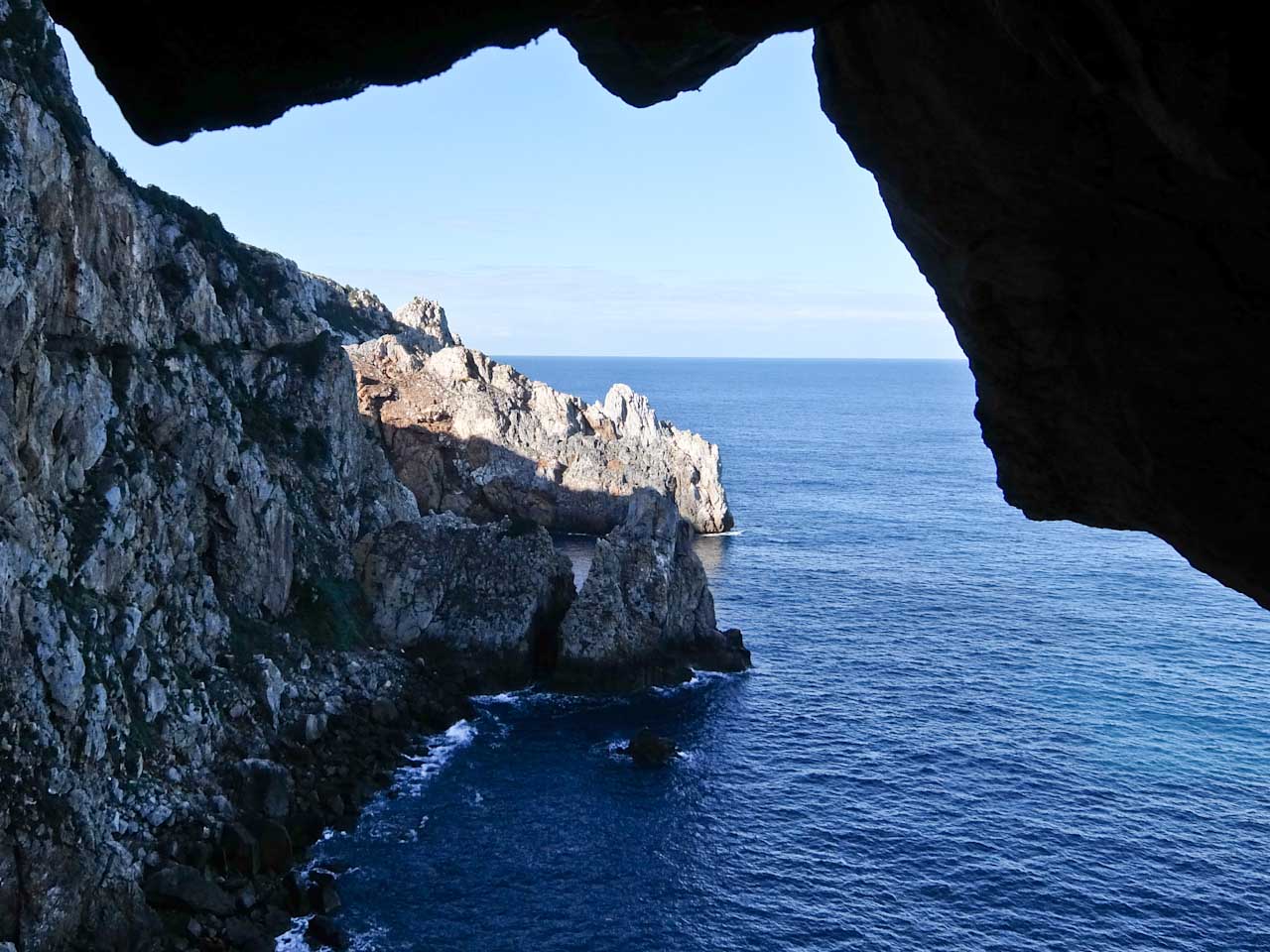
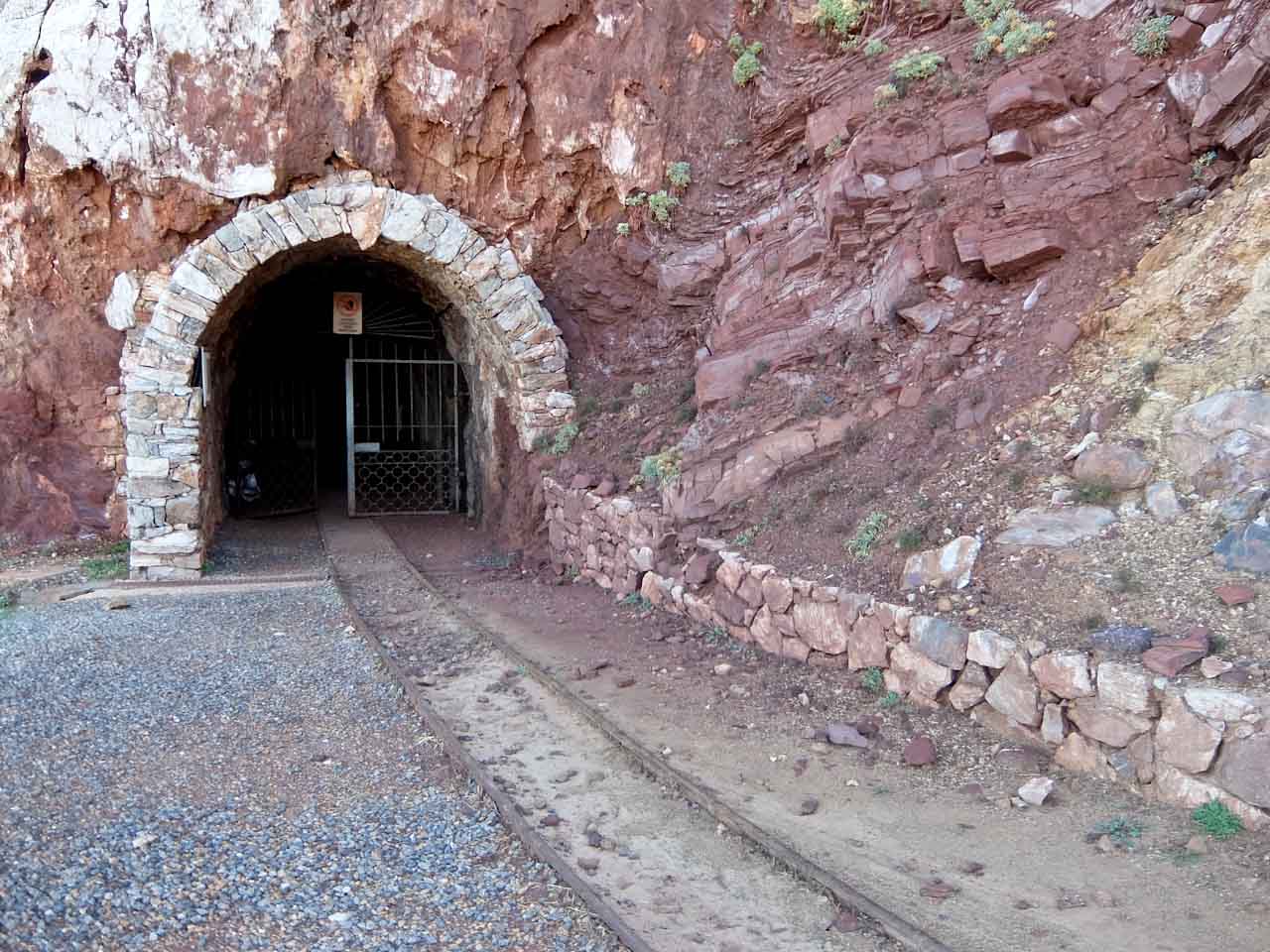
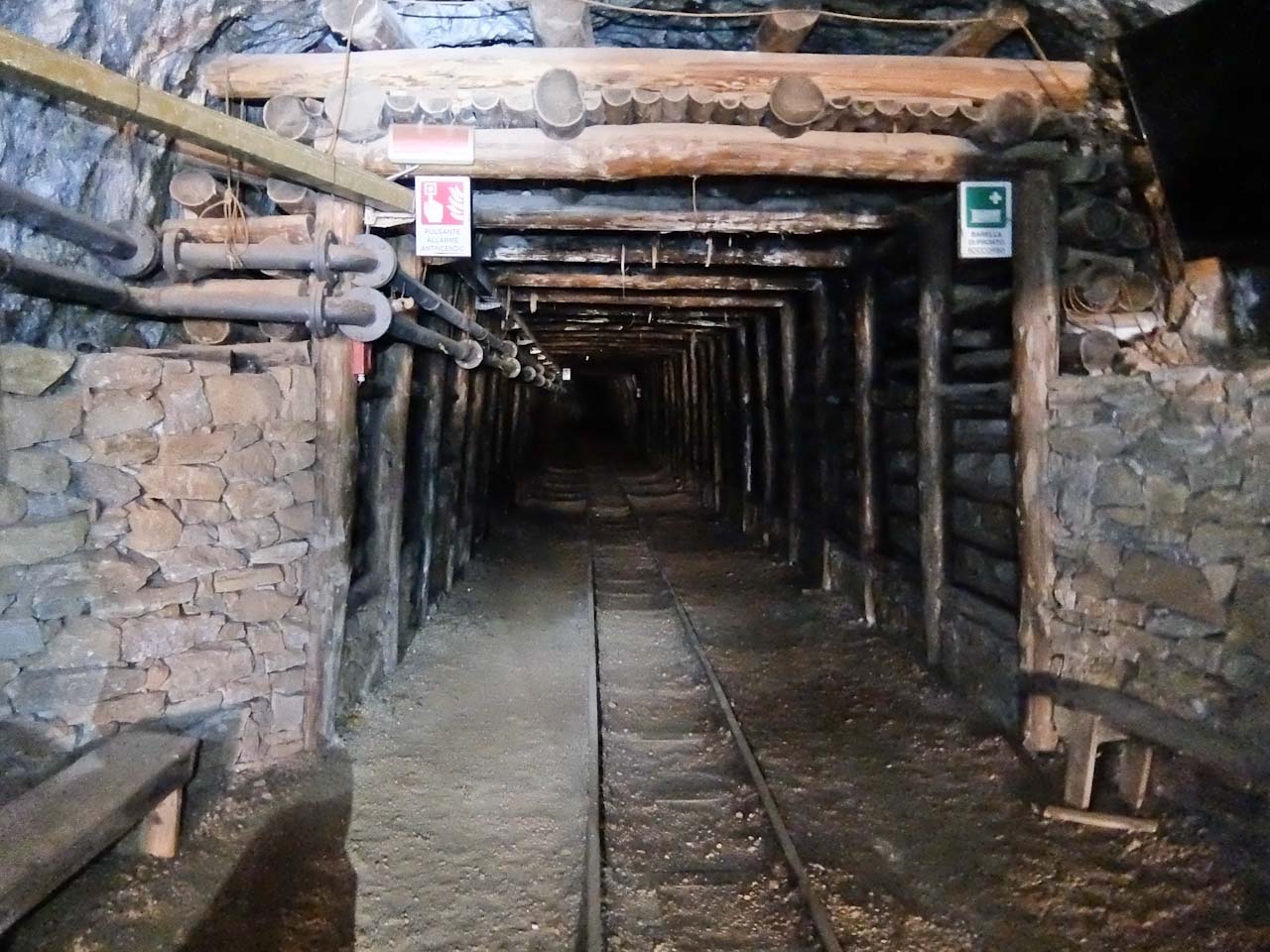
The tunnel extends for approximately a kilometre and sits around 50 metres above the sea. Inside, smaller galleries and openings cut into the rock frame glimpses of the breaking waves below. Light and darkness alternate before you emerge on a narrow ledge above the sea.
In Buggerru the Cammino acquires a more sombre dimension. A miners’ strike in 1904, a protest against working conditions, ended in tragedy when soldiers fired on the workers. They killed three and injured many others, and the miners returned to work with no gain. The incident is an important moment in the rise of the Italian labour movement.
Walking the Cammino Minerario di Santa Barbara reveals a Sardinia that’s easy to overlook when the island is known primarily as a beach destination. Here, the sea is still dazzling, but it shares the stage with abandoned industrial monuments, ancient settlements and communities shaped by hard work.
The trail’s greatest achievement is to reconnect these places, transforming forgotten mining routes into a living journey through the island’s history. Every ruined building tells a story; every coastal headland offers a new perspective; every village provides a glimpse of a culture that has endured considerable change. It’s a journey that reveals the deeper soul of Sardinia.
Factfile
GO: Ryanair flies directly to Cagliari from London Stansted.
INFO: The official website CMSB provides route information, stage descriptions and a downloadable app.
EAT: AlexPub in Iglesias serves local specialities.
Trattoria del Sole e della Luna in Portixeddu is a typical village restaurant.
Zio Lello in Porto Flavio serves large plates of cheese and charcuterie.
Ristorante La Baia di Tore in Buggerru is good for fish.
Agriturismo Sa Tanca near Montevecchio has slow cooked lamb.
STAY: Posada di Portixeddu is part of the trail’s hostel network and offers excellent accommodation at bargain prices.
Hotel Il Cinghiale is newly refurbished in Montevecchio.