

Guide to Elche, Spain and its Unique Mystery Play
An unforgettable medieval religious drama is staged every year in the Basilica of Santa Maria, Elche, Spain.
Few places in Europe bring together landscape, history, and religious tradition as dramatically as Elche, in Spain’s south-eastern region of Alicante. Approaching the city, the first thing that strikes you is the extraordinary sight of thousands of palm trees rising above the rooftops, Around this green oasis sits a historic town with Moorish origins, handsome churches, atmospheric squares and one of Europe’s most remarkable theatrical traditions.
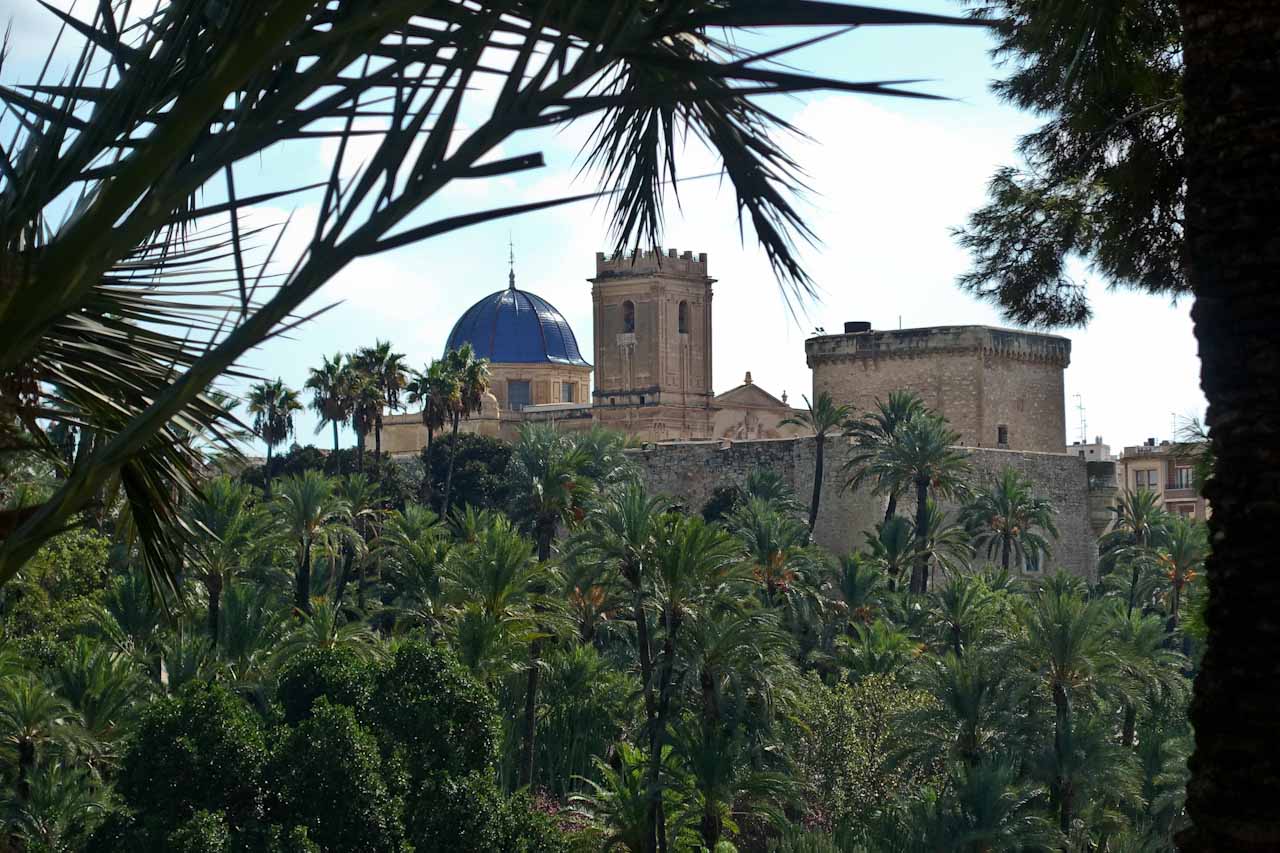
Elche, or Elx in Valencian, is best known for two extraordinary attractions: its Palmeral, an immense palm grove recognised by UNESCO, and the Misteri d’Elx, a medieval religious drama performed in the Basilica of Santa Maria. Together, they make the city a fascinating destination, combining Islamic agricultural ingenuity with Christian cultural heritage.
The Palmeral: Europe’s great palm oasis
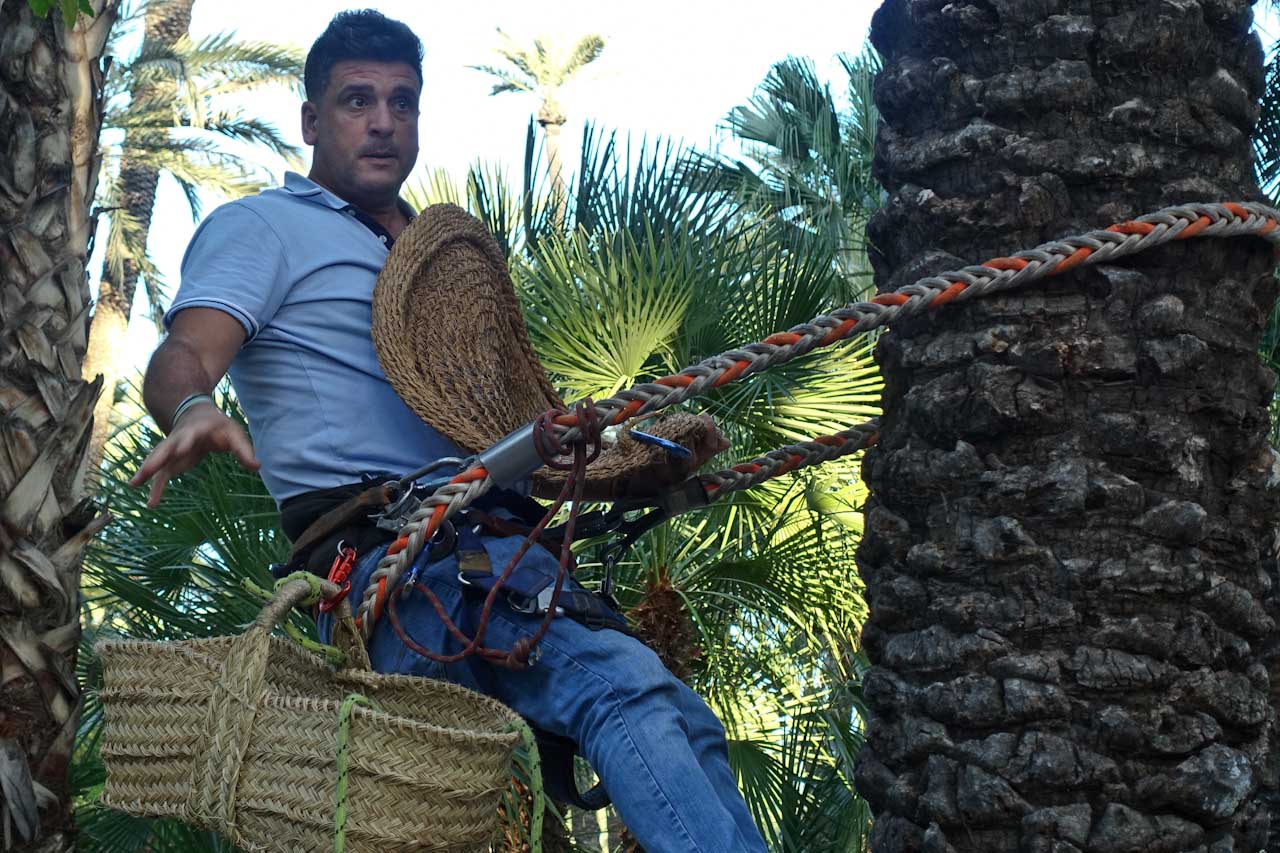
The Palmeral is Elche’s defining feature. With hundreds of thousands of palm trees spread across the city and its surroundings, it’s one of Europe’s largest historic palm landscapes. Inscribed on the UNESCO World Heritage List in 2000, its origins date back to the Islamic period, when Arab settlers developed an ingenious irrigation system – they transformed the barren landscape into a productive agricultural oasis.
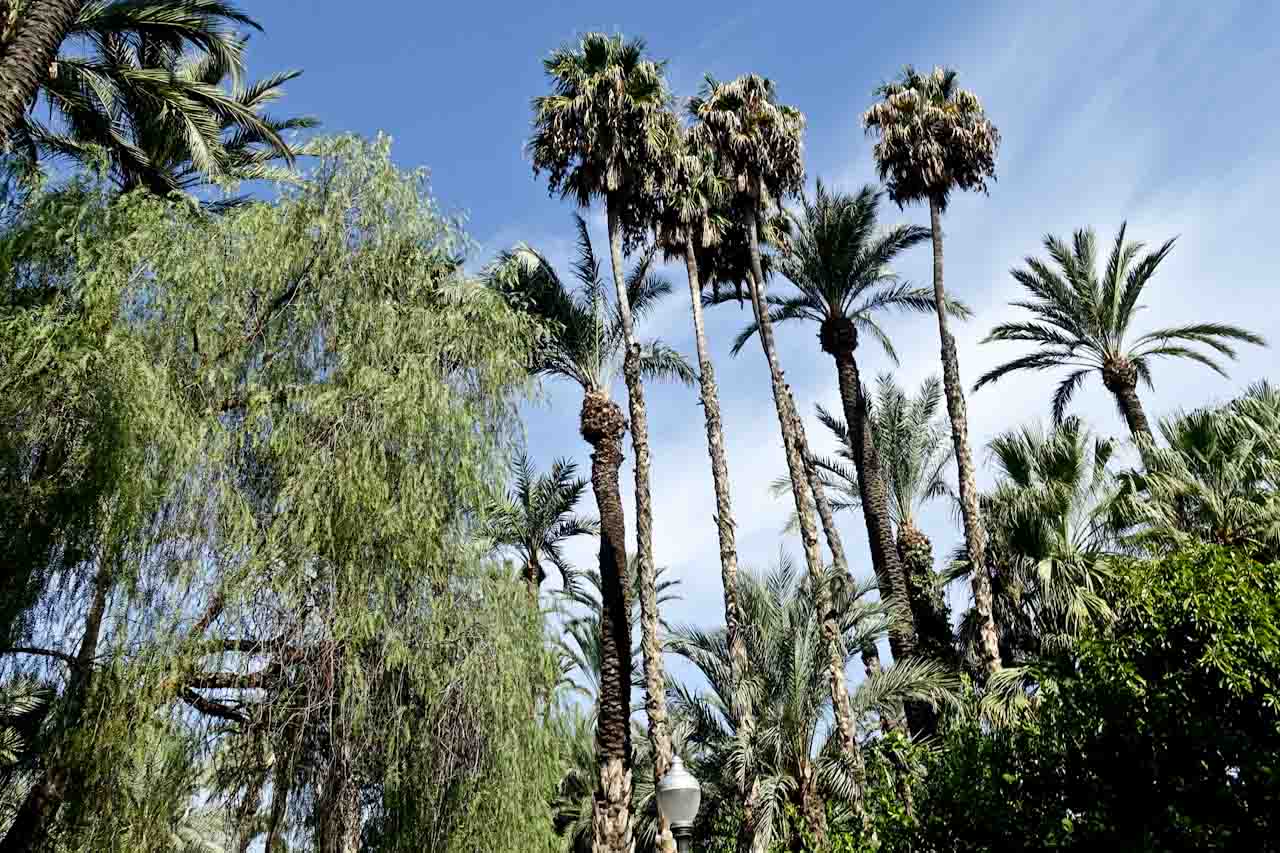
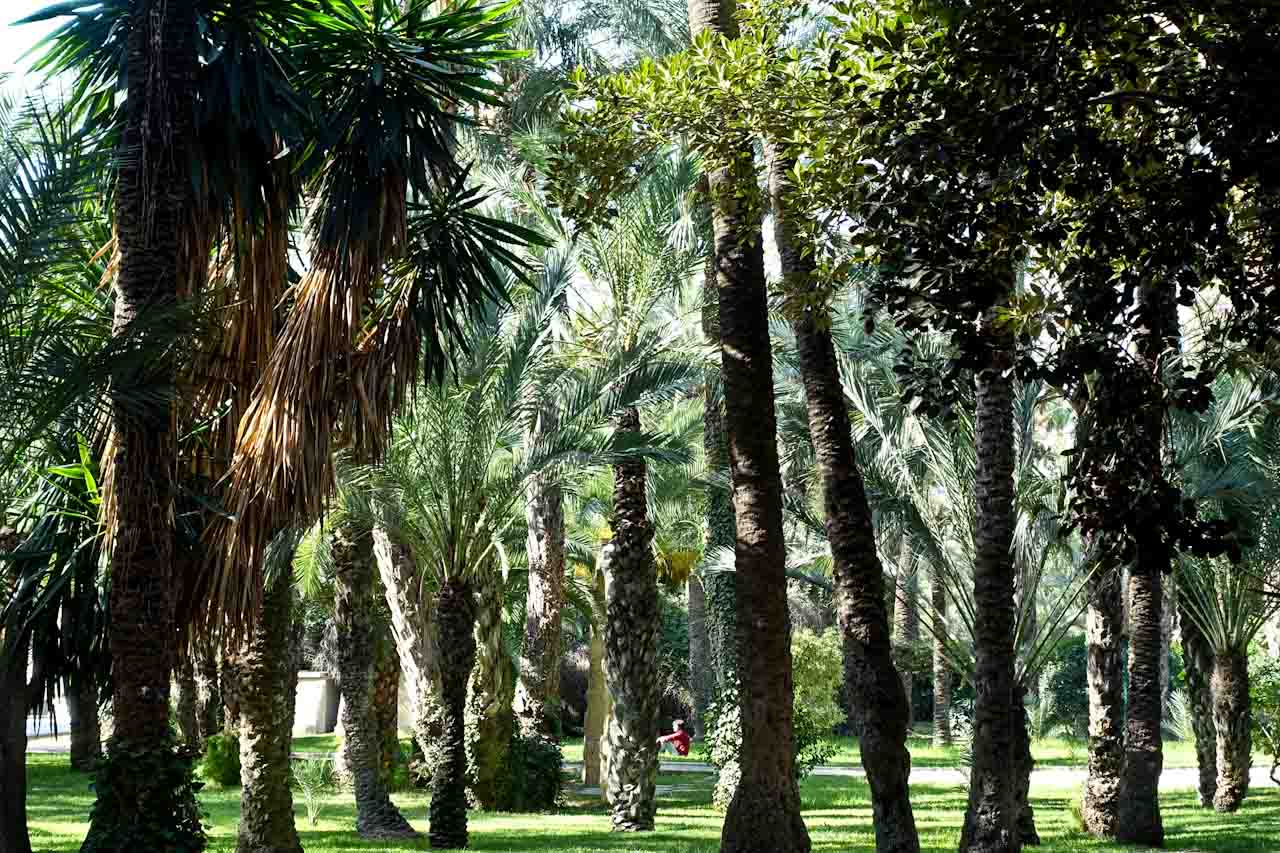
The trees are arranged in rectangular plots known as huertos, separated by narrow paths and irrigation channels. Water is distributed through an intricate network of canals, and the system was designed to make the most of scarce water. The palms provided dates, an important source of food, while vegetables were grown in the cooler spaces below.
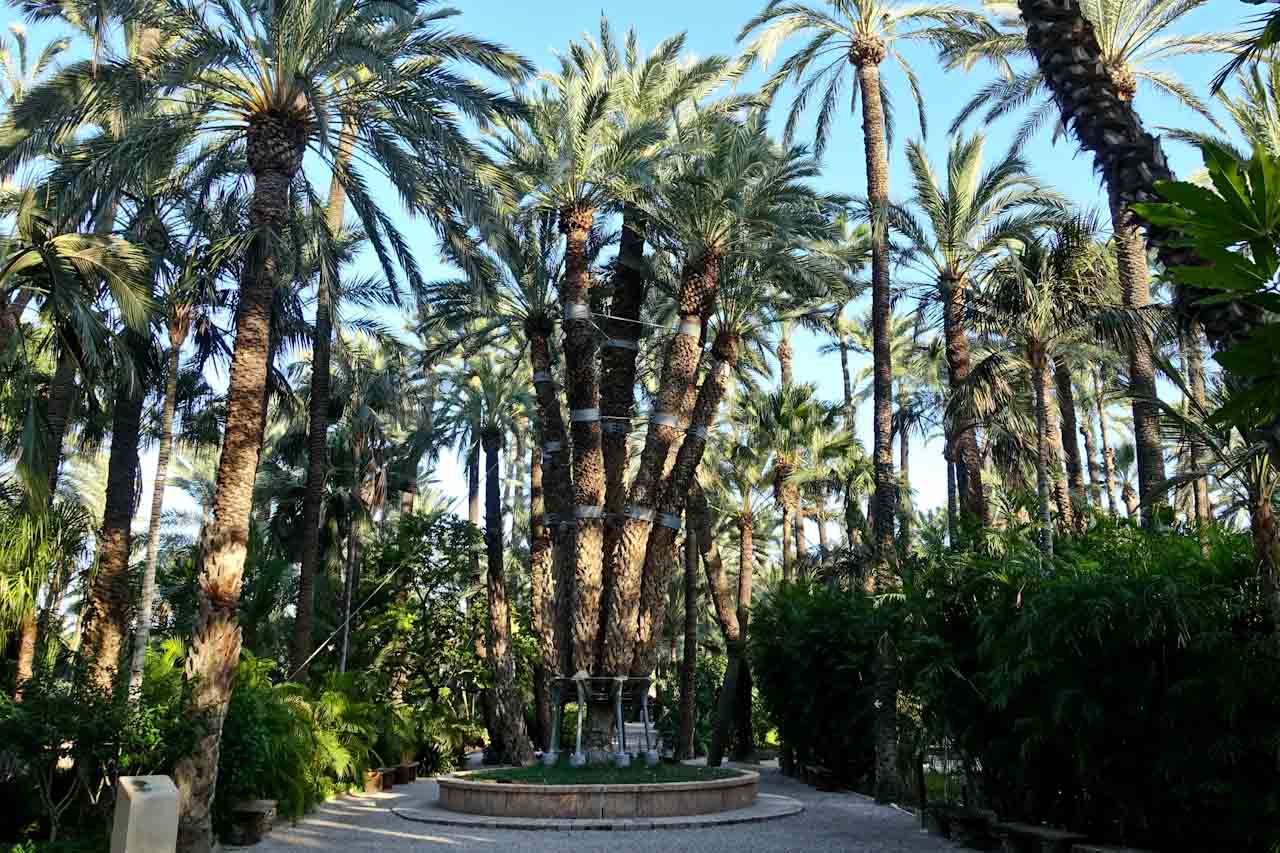
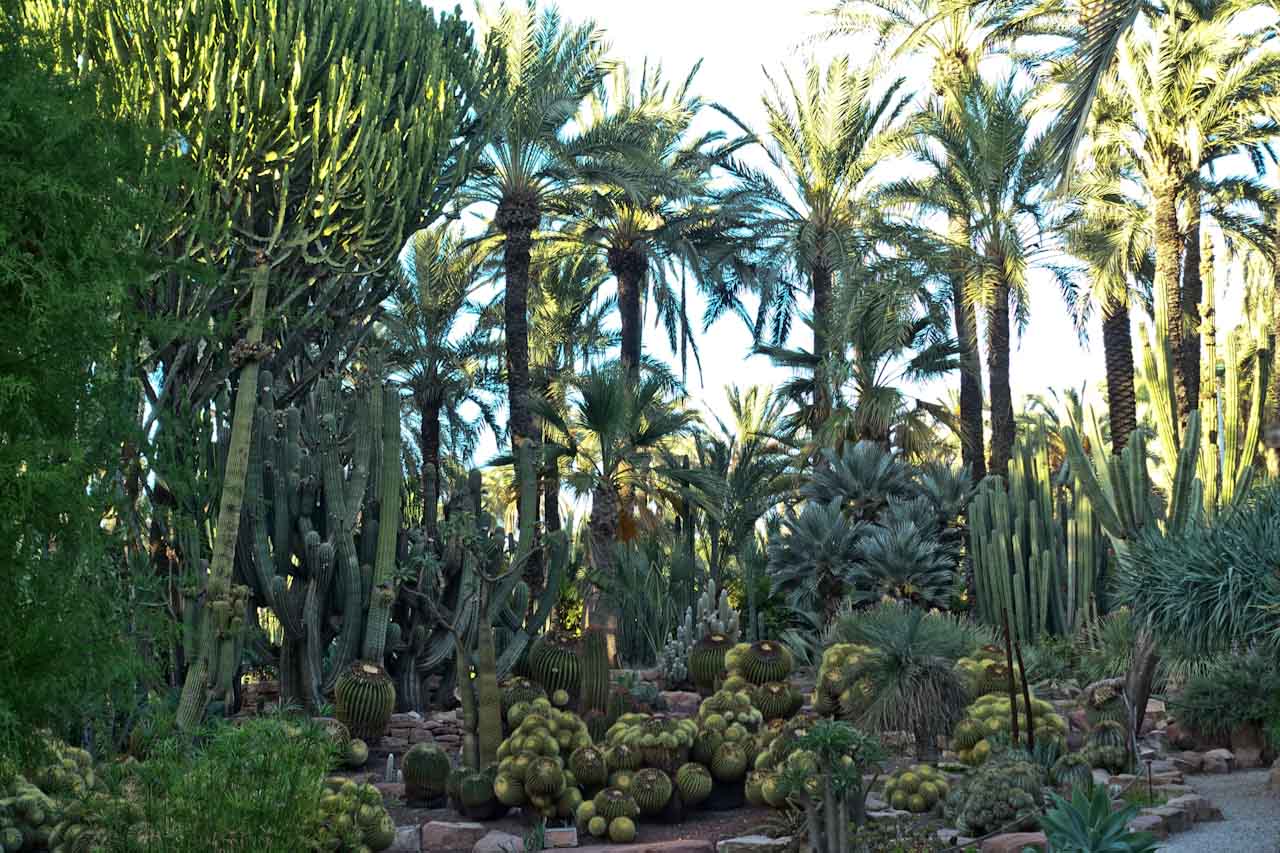
The Huerto del Cura, a beautifully maintained garden contains an impressive collection of palms and exotic plants. Its most famous resident is the Imperial Palm, with seven arms branching from its trunk, resembling a giant candelabra. It’s named after the Empress Elisabeth of Austria, “Sisi”, who visited Elche in 1894. Shaded paths, ponds, fountains make this an ideal place to escape the heat and appreciate the extraordinary variety of palm species that thrive here.
The Mystery Play: A medieval theatrical miracle
If the Palmeral is Elche’s most visible treasure, the Misteri d’Elx is its spiritual heart. This extraordinary medieval religious drama, performed almost continuously for more than five centuries, is one of the most remarkable survivals of European theatrical history. The 16th century Council of Trent banned theatrical performances in churches but Elche managed to obtain a special papal dispensation from Pope Urban VIII. This allowed it to continue for perpetuity.
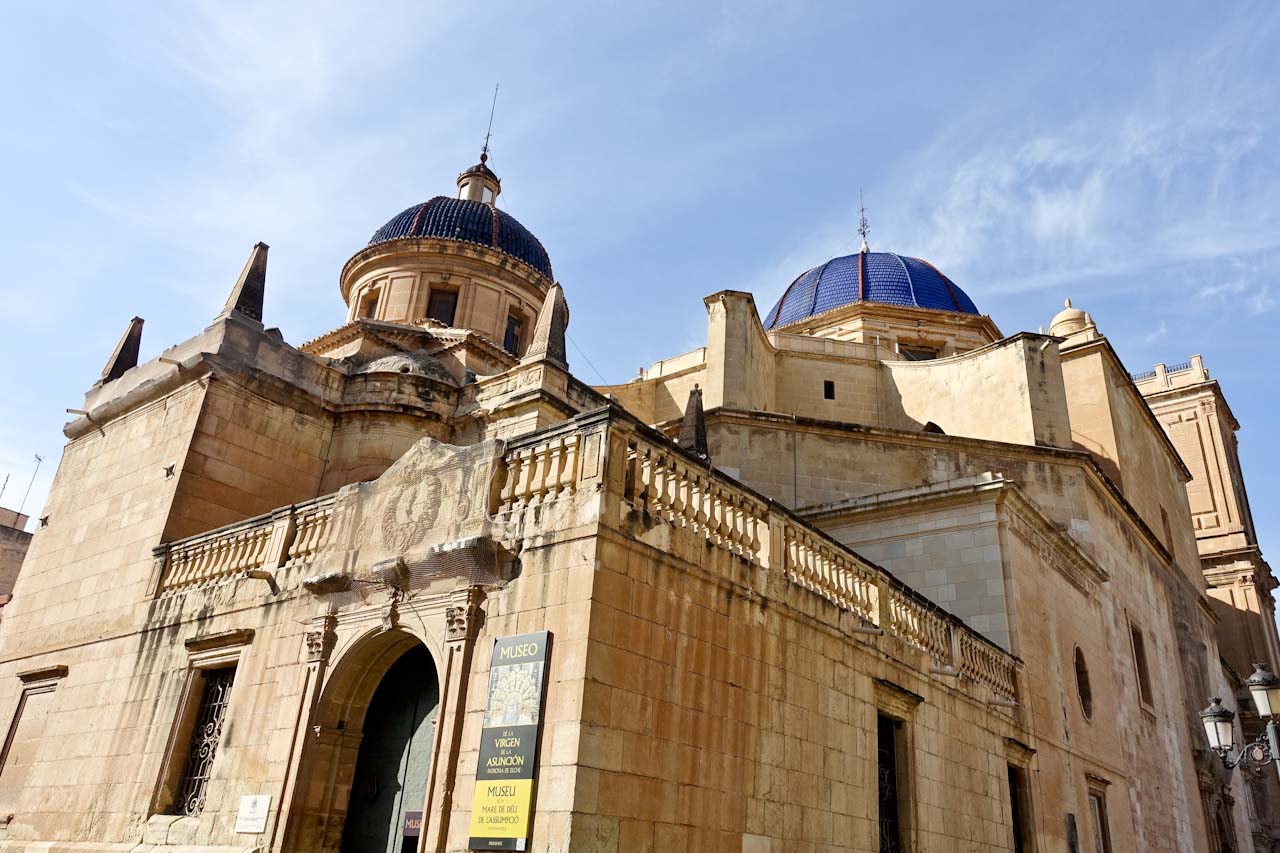
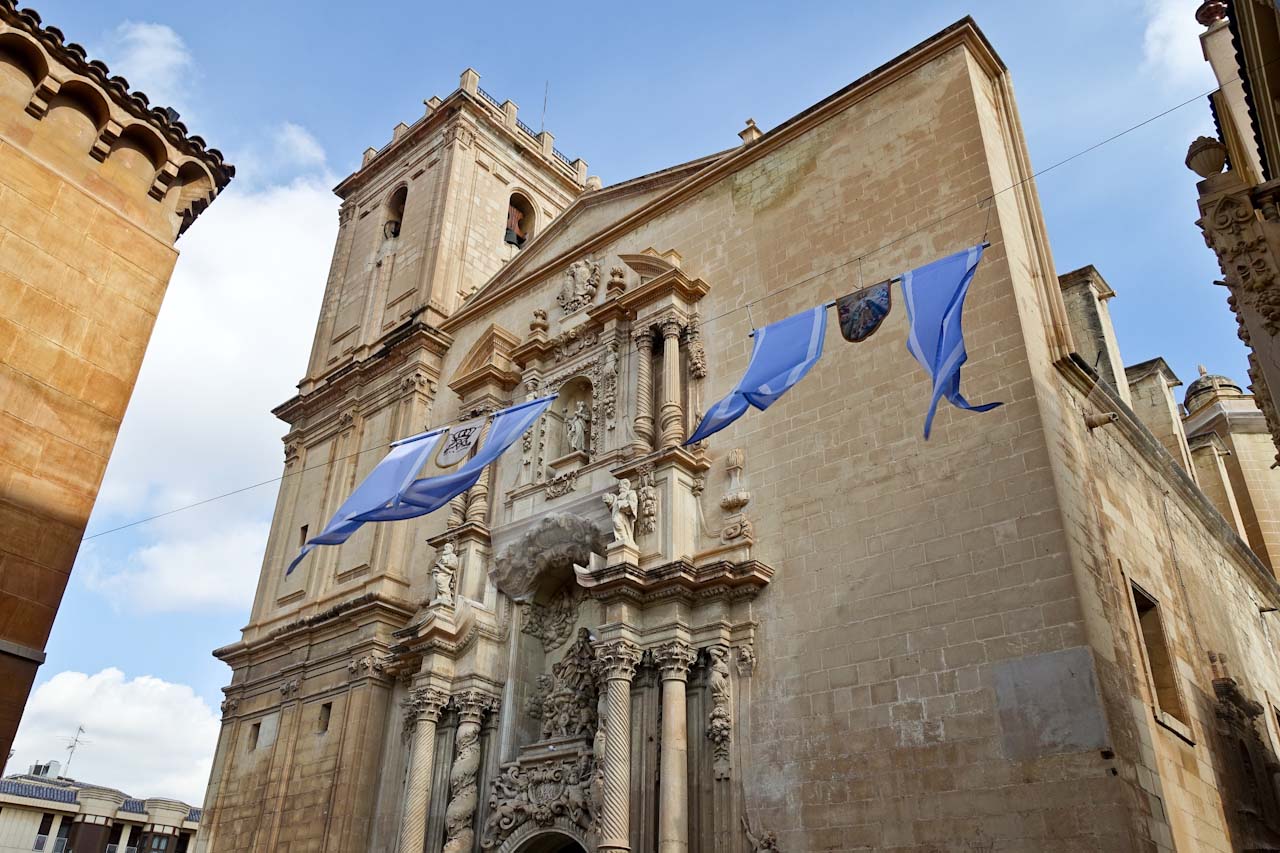
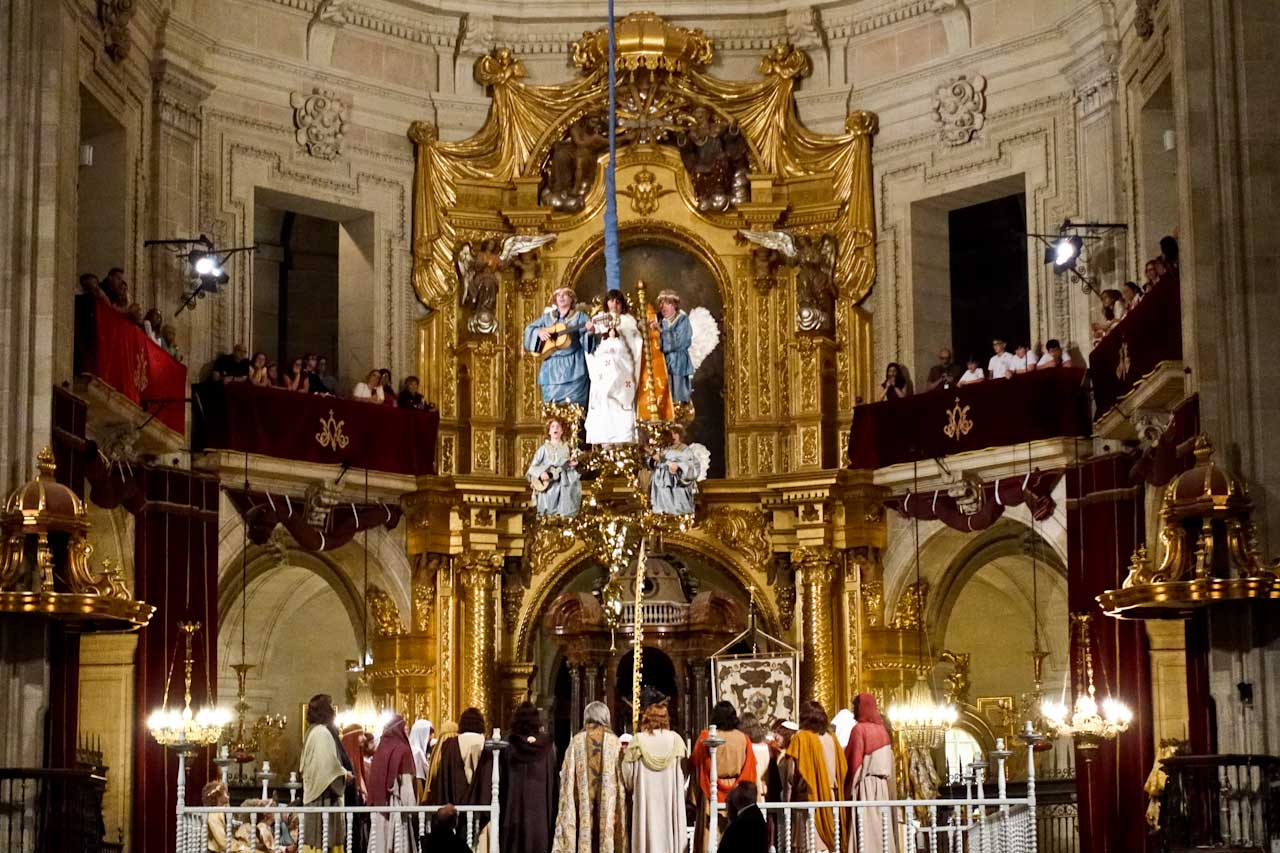
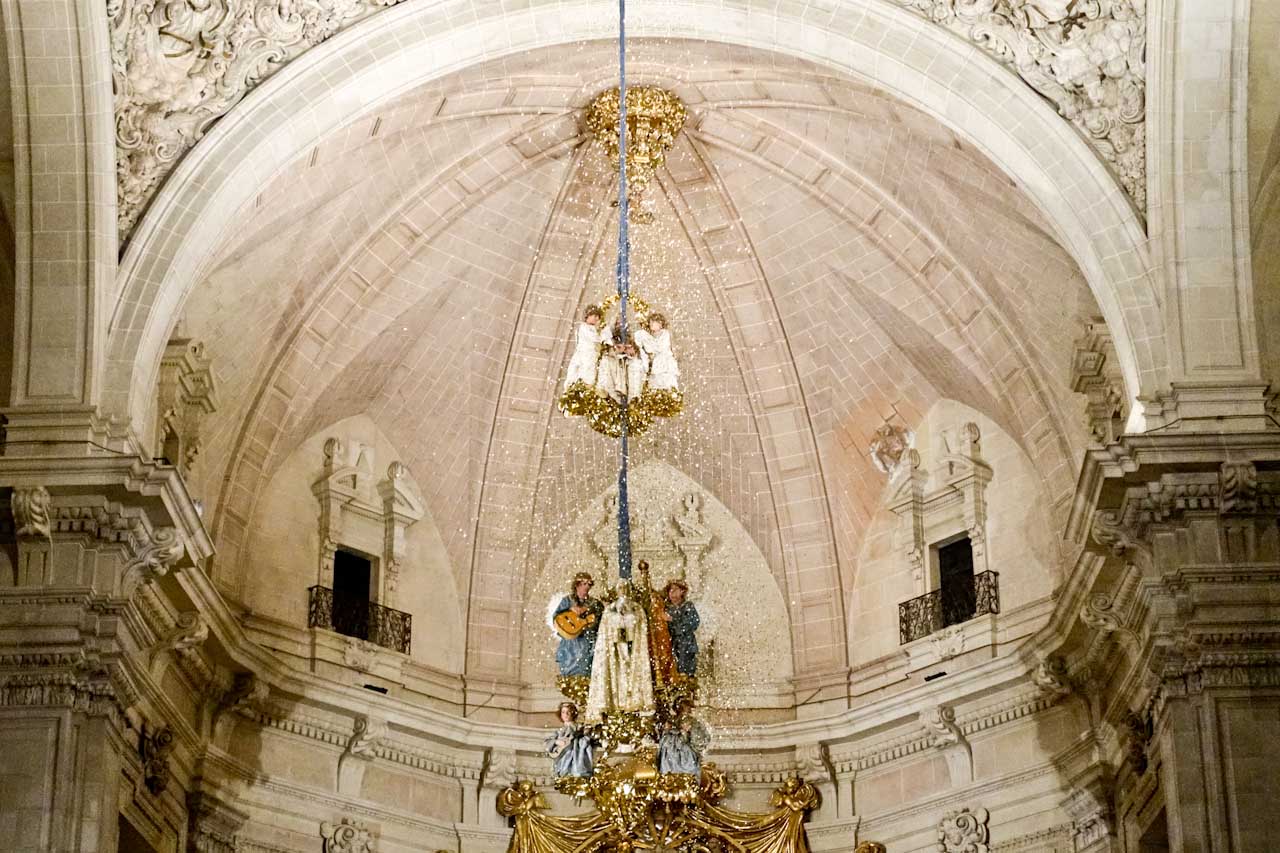
It’s performed inside the magnificent Basilica of Santa Maria, a Baroque building in the heart of the old town. The interior is transformed into a theatrical stage, with two distinct levels: the earthly world below and heaven above. Ingenious medieval machinery allows performers and props to travel up and down, disappearing or appearing from inside the ceiling of the dome.
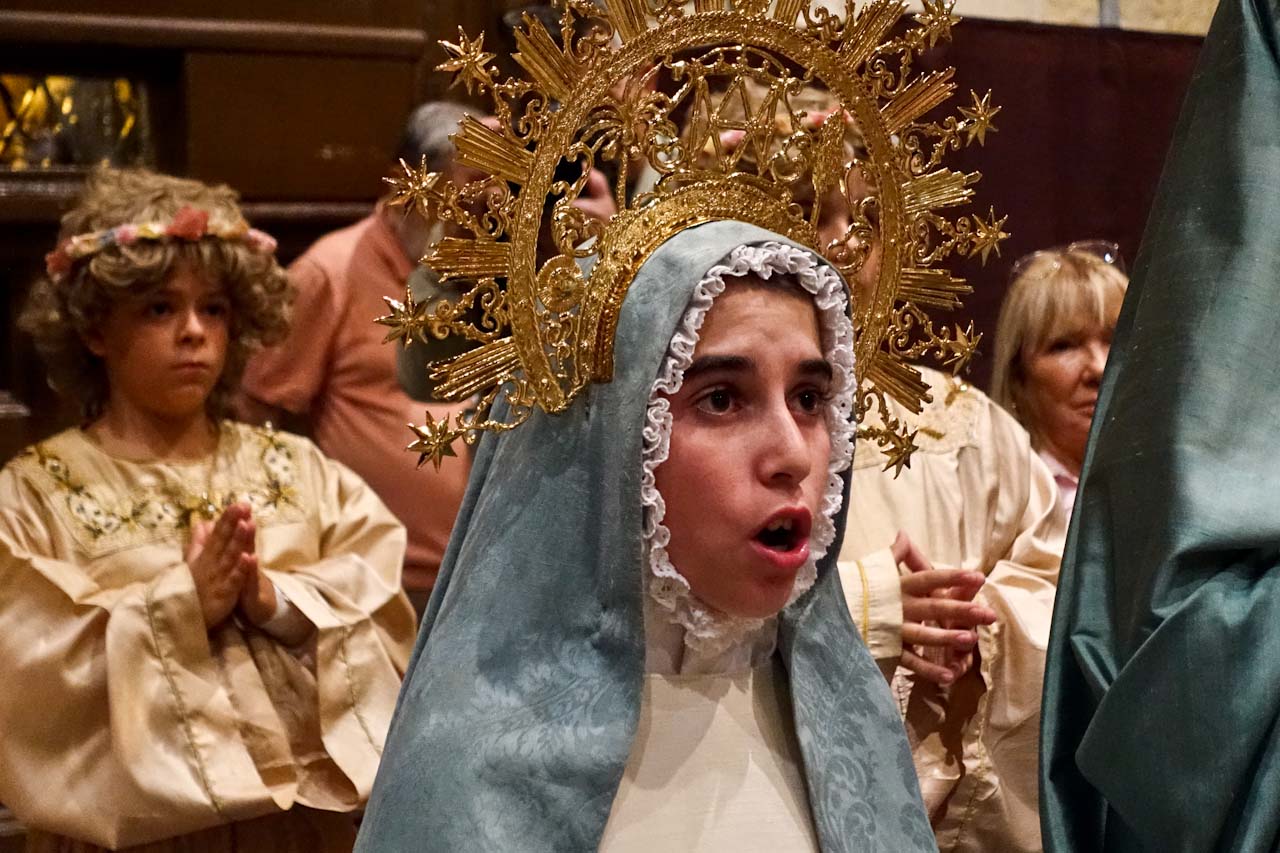
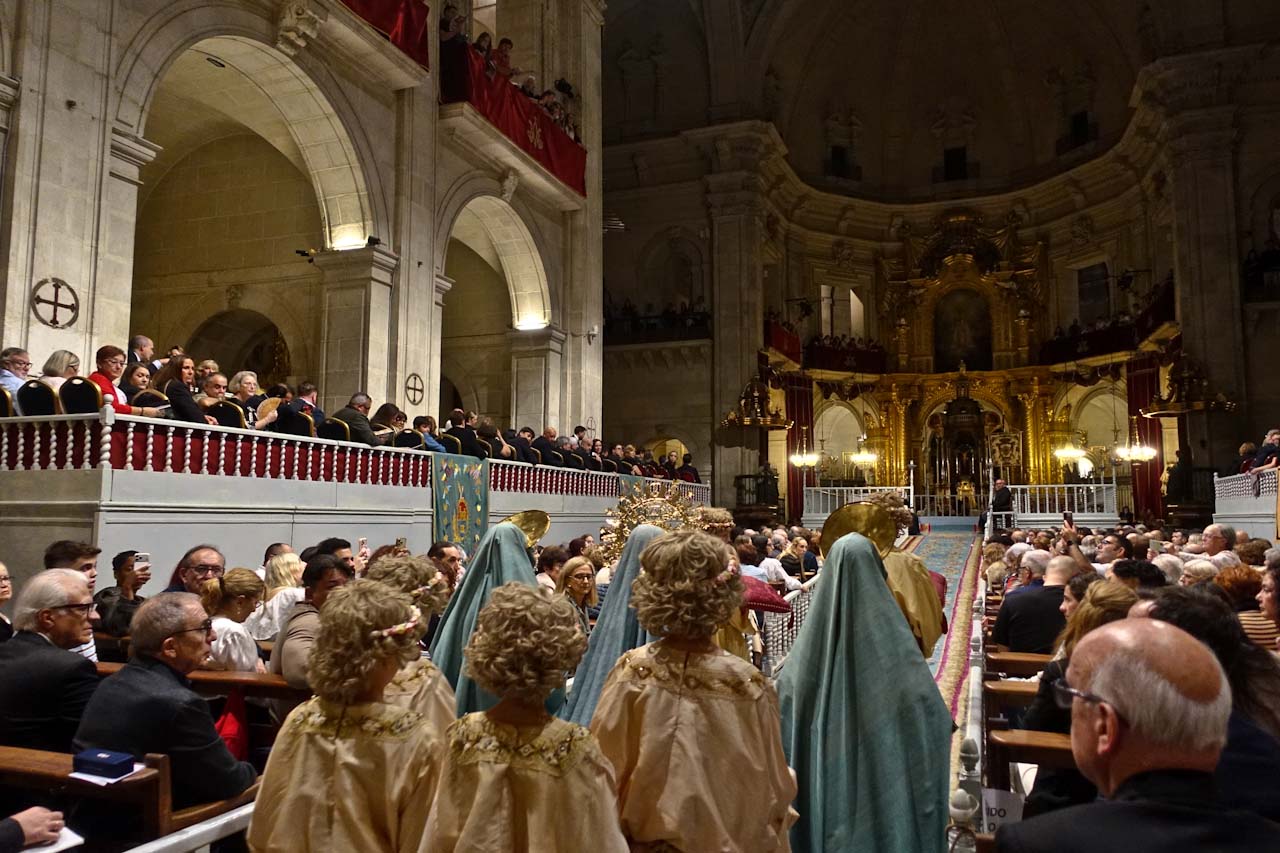
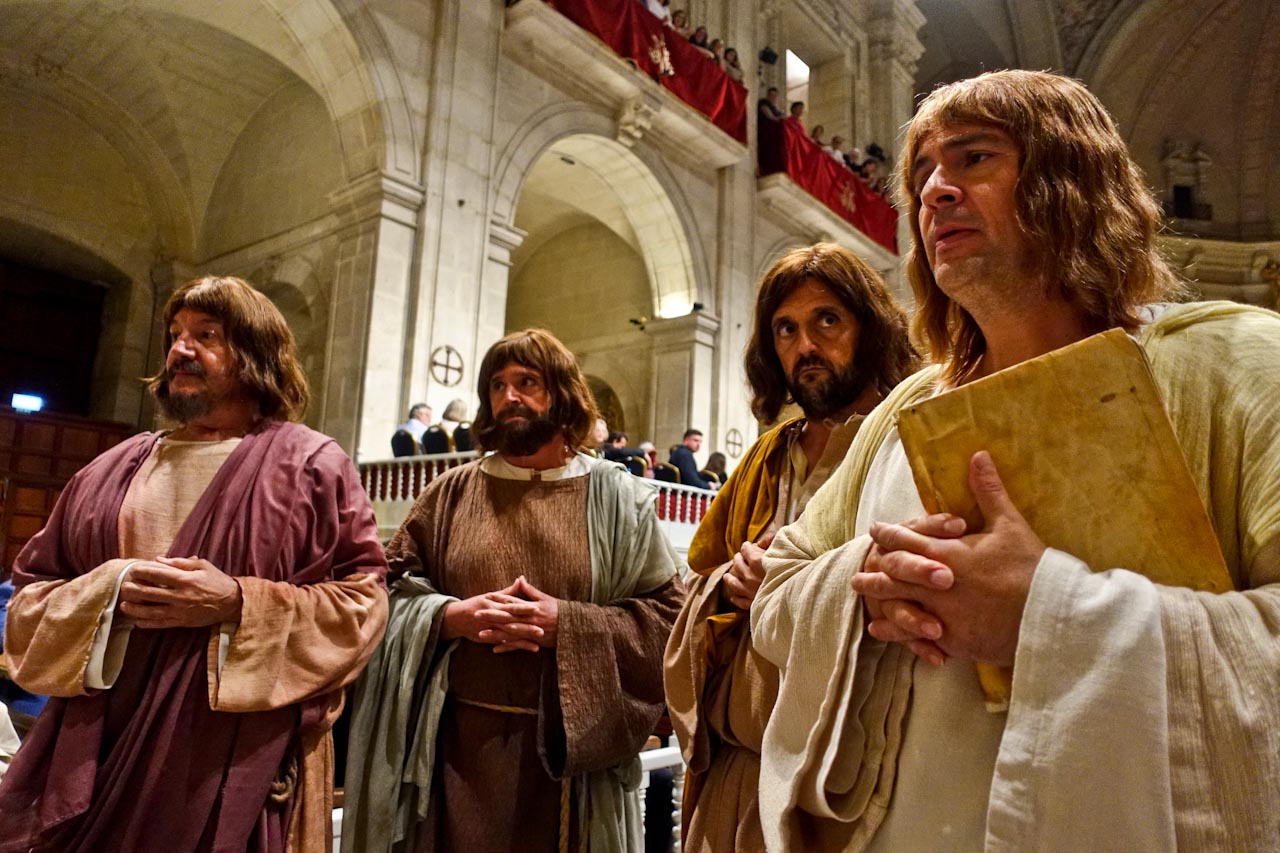
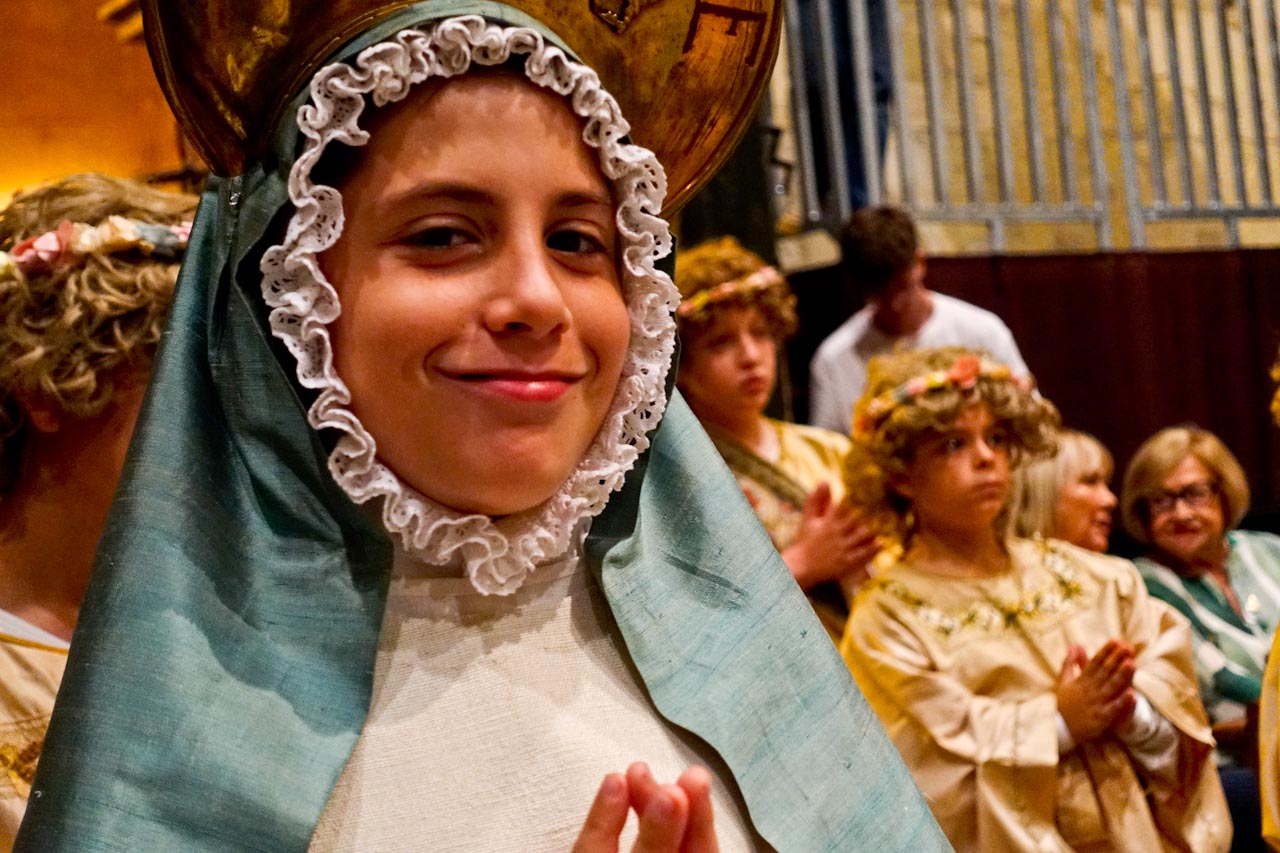
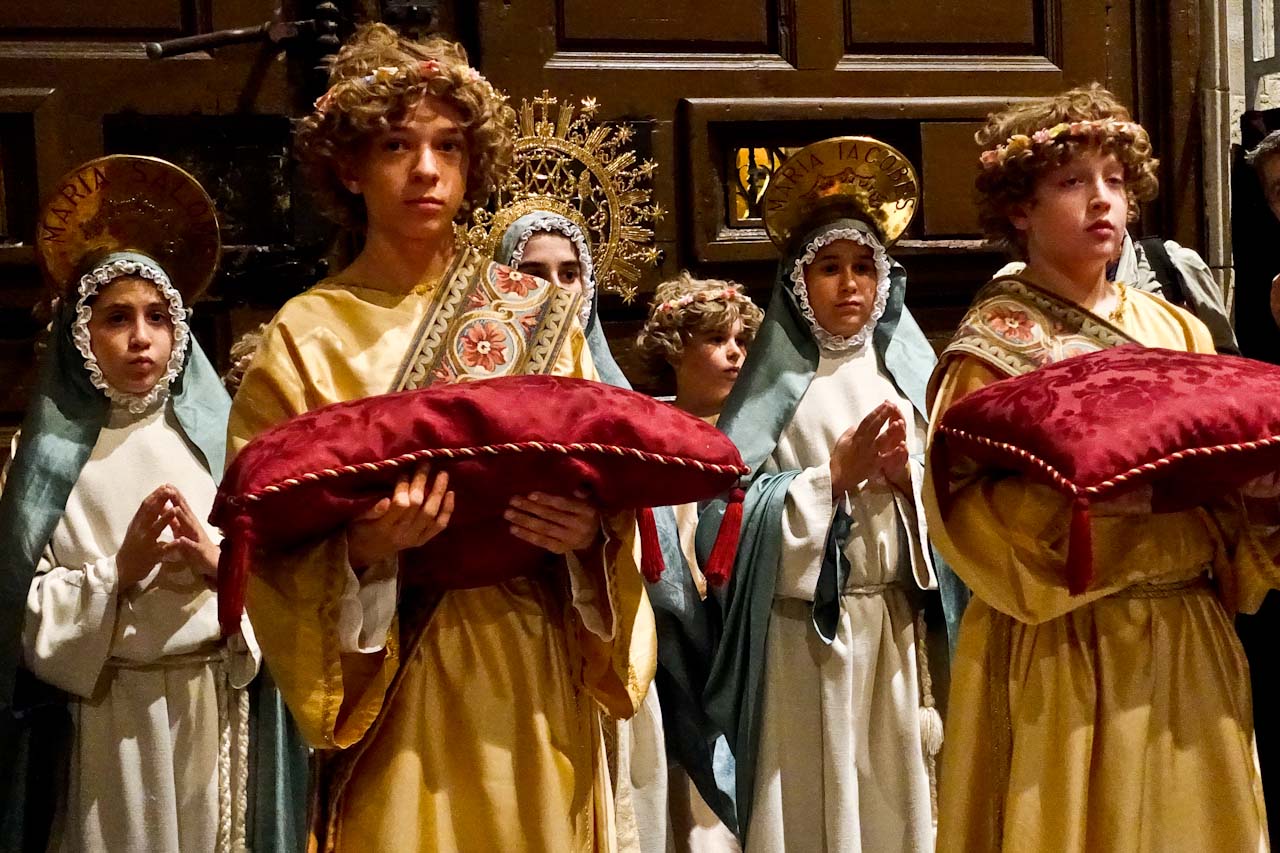
The production tells the story of the death, assumption and coronation of the Virgin Mary. It’s performed entirely in song in the Valencian language, the local form of Catalan, with some passages in Latin. More than 300 local volunteers take part as singers, actors, musicians, technicians and costume makers. Medieval tradition dictates that all female roles, including the Virgin, are played by young boys.
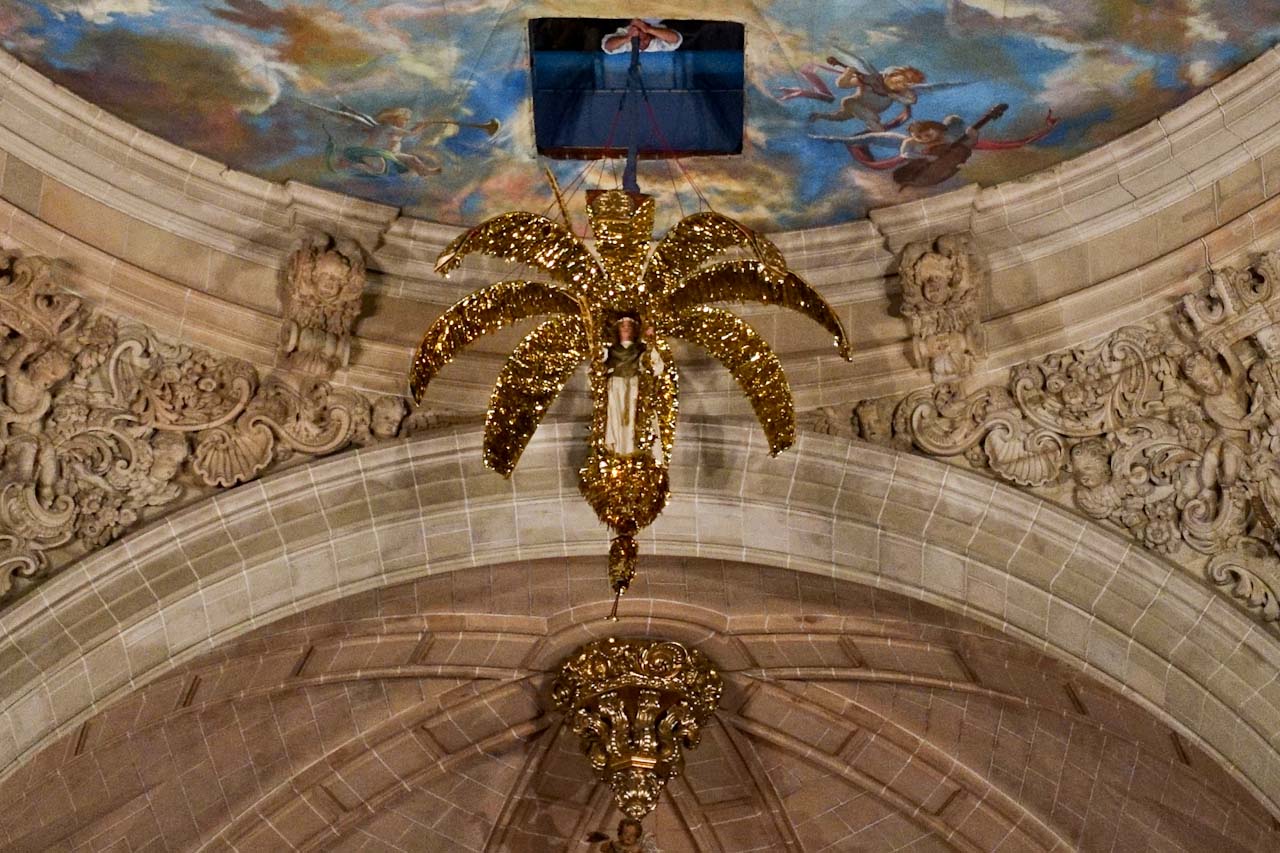
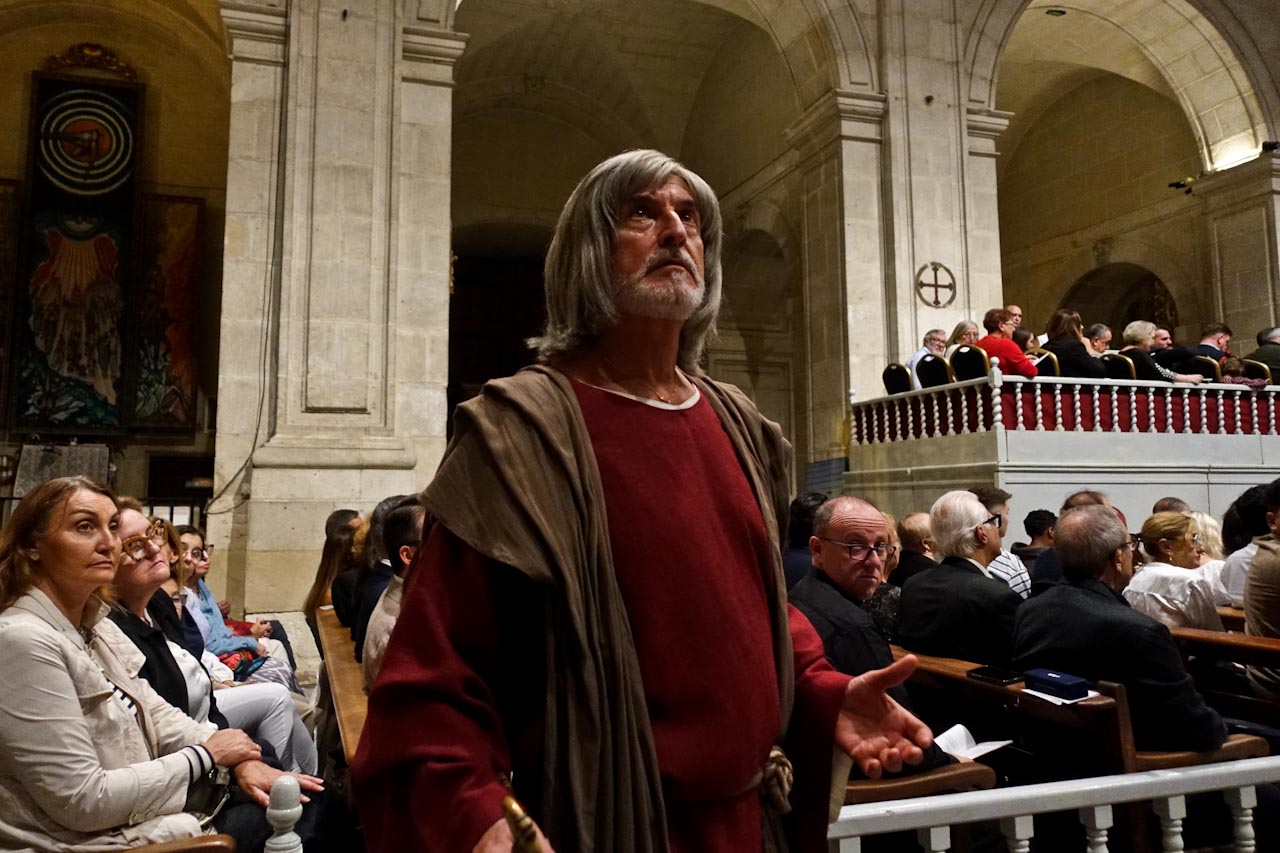
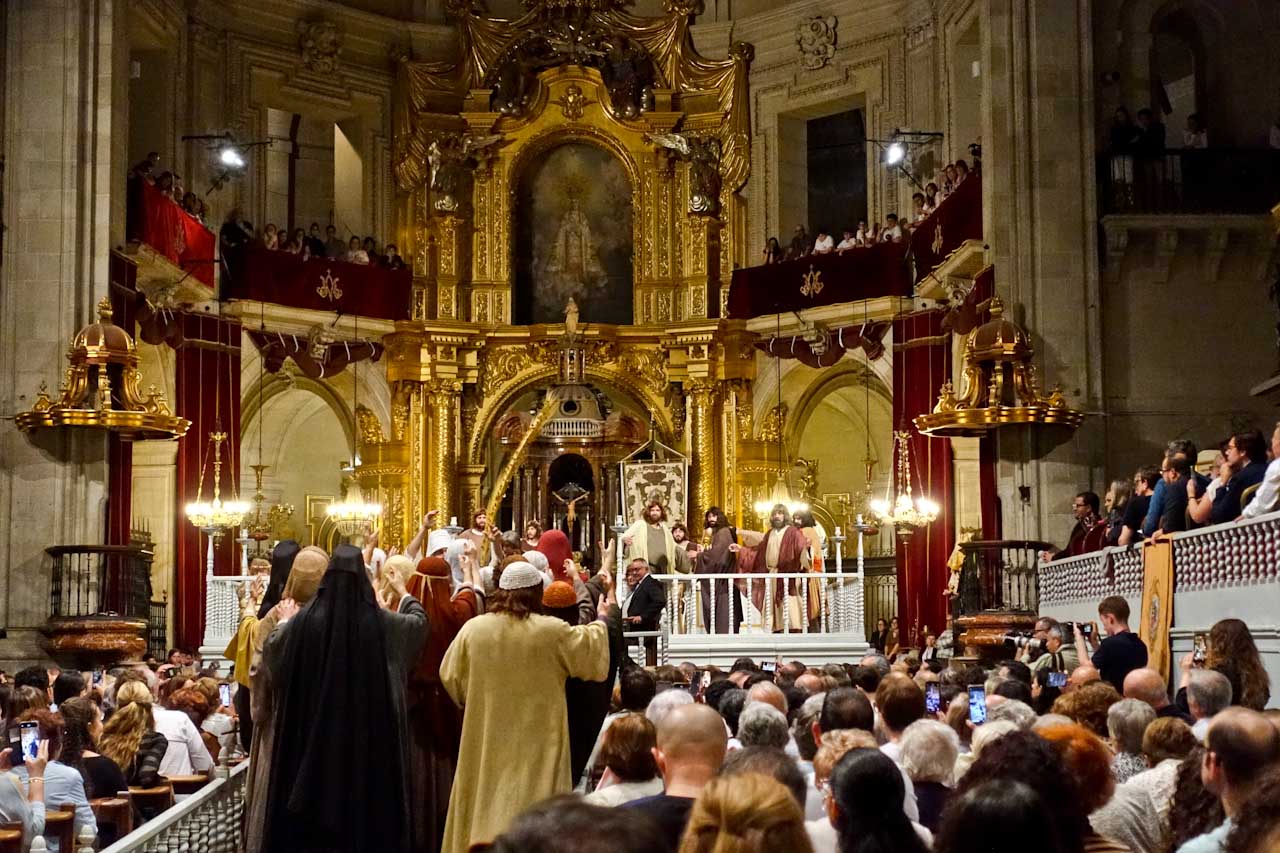
The first stunning moment comes when an enormous golden device, known as the Magrana, drops from the dome. It opens in mid-air to reveal an angel carrying a palm frond which he presents to Mary. More up and downs lead to the climax when God the Father, flanked by the Son and the Holy Spirit, arrive to crown the Virgin as she’s ascending. Sparkling glitter drops from the sky, bells chime, the organ thunders and there’s applause and loud cheers. It’s a marvellous spectacle.
Free performances take place every year on 14th and 15th August but there are ticketed rehearsals on the 11th, 12th and 13th which you buy online. There are also special performances in even-numbered years, usually at the end of October, particularly useful for visitors wanting to avoid the heat. If you can’t catch the performance live, the Museum of the Virgin of the Assumption in the city centre has videos and useful historical background.
Eating and drinking in Elche
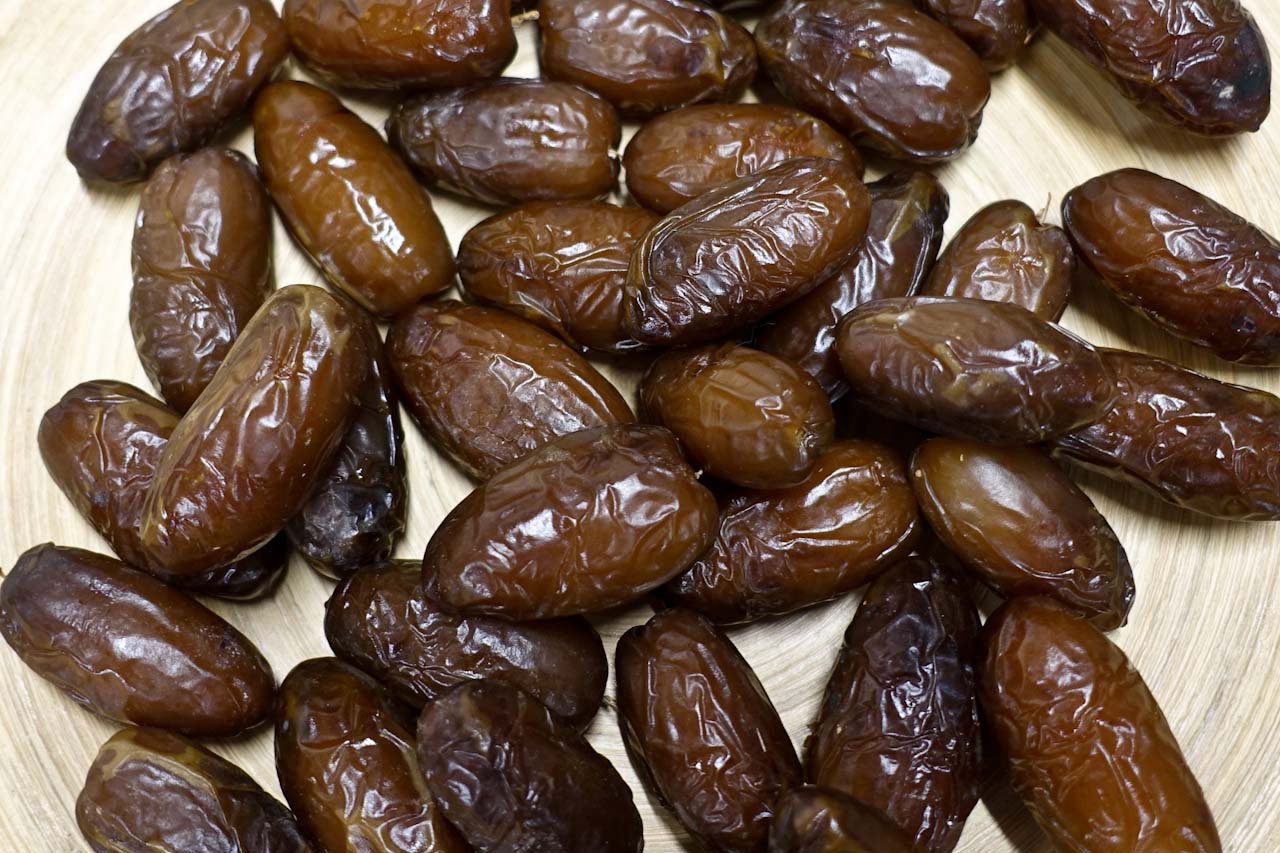
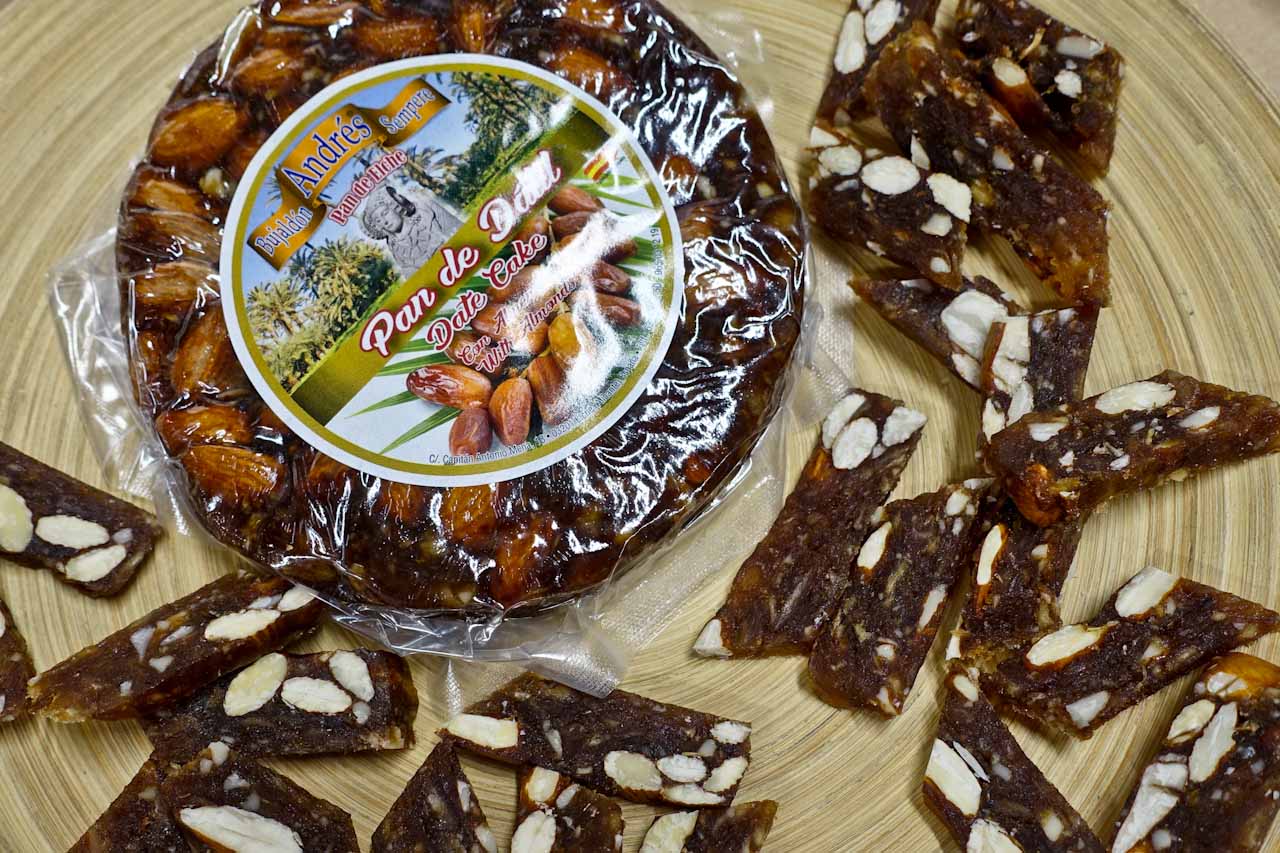
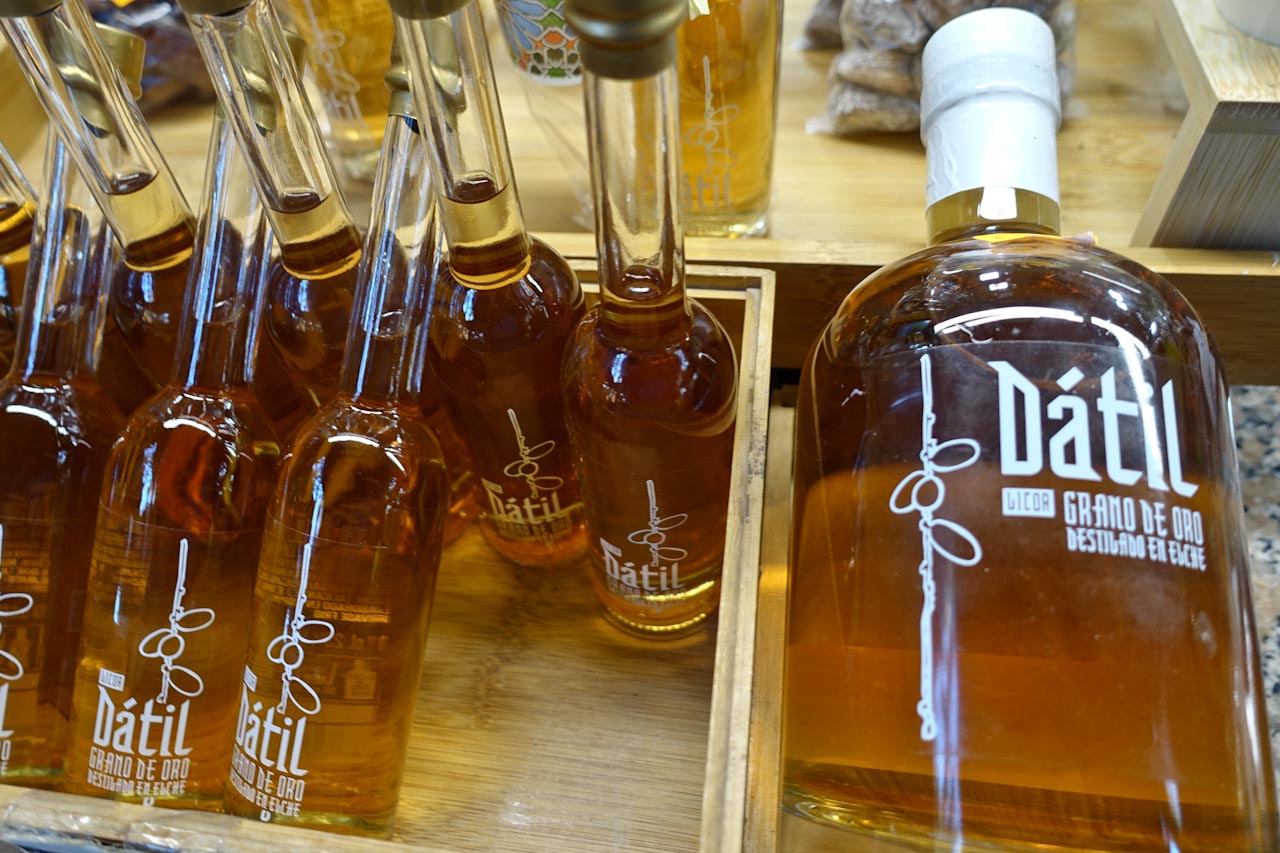
Elche’s signature product is undoubtedly the date, harvested from its famous palms and used in everything from pastries to savoury dishes. One particularly popular combination is dates wrapped in bacon, where the sweetness of the fruit contrasts with the saltiness of the meat. Dates are also served with almonds, incorporated into cakes and used to make a traditional liqueur.
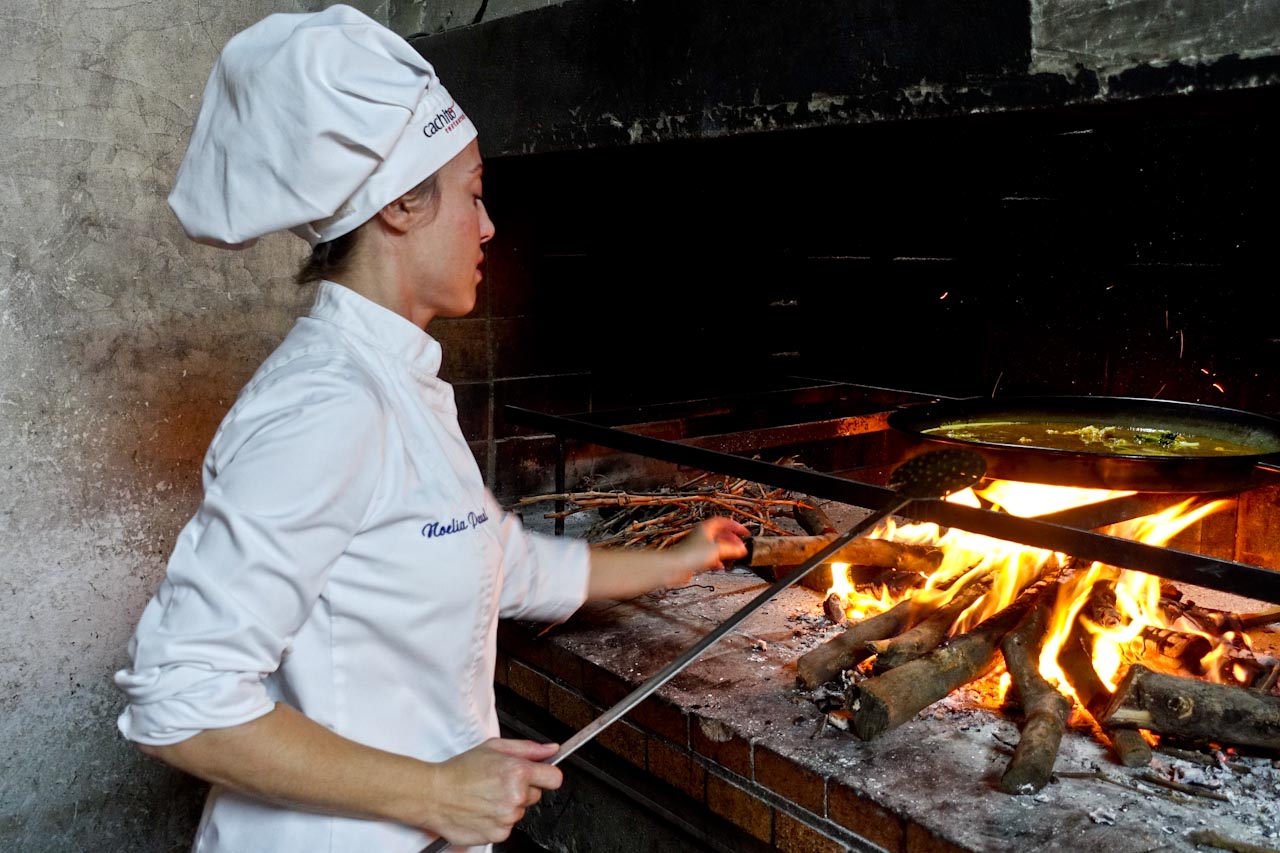
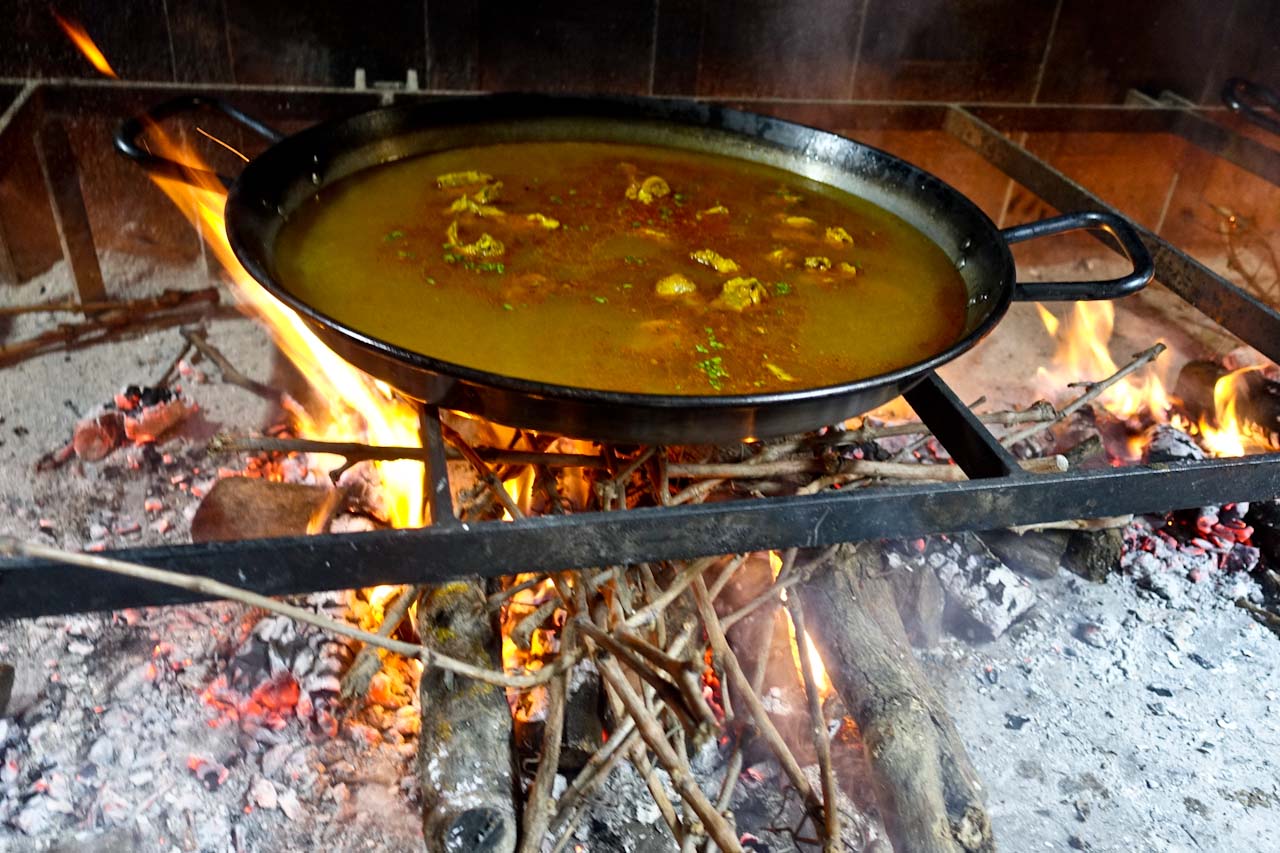
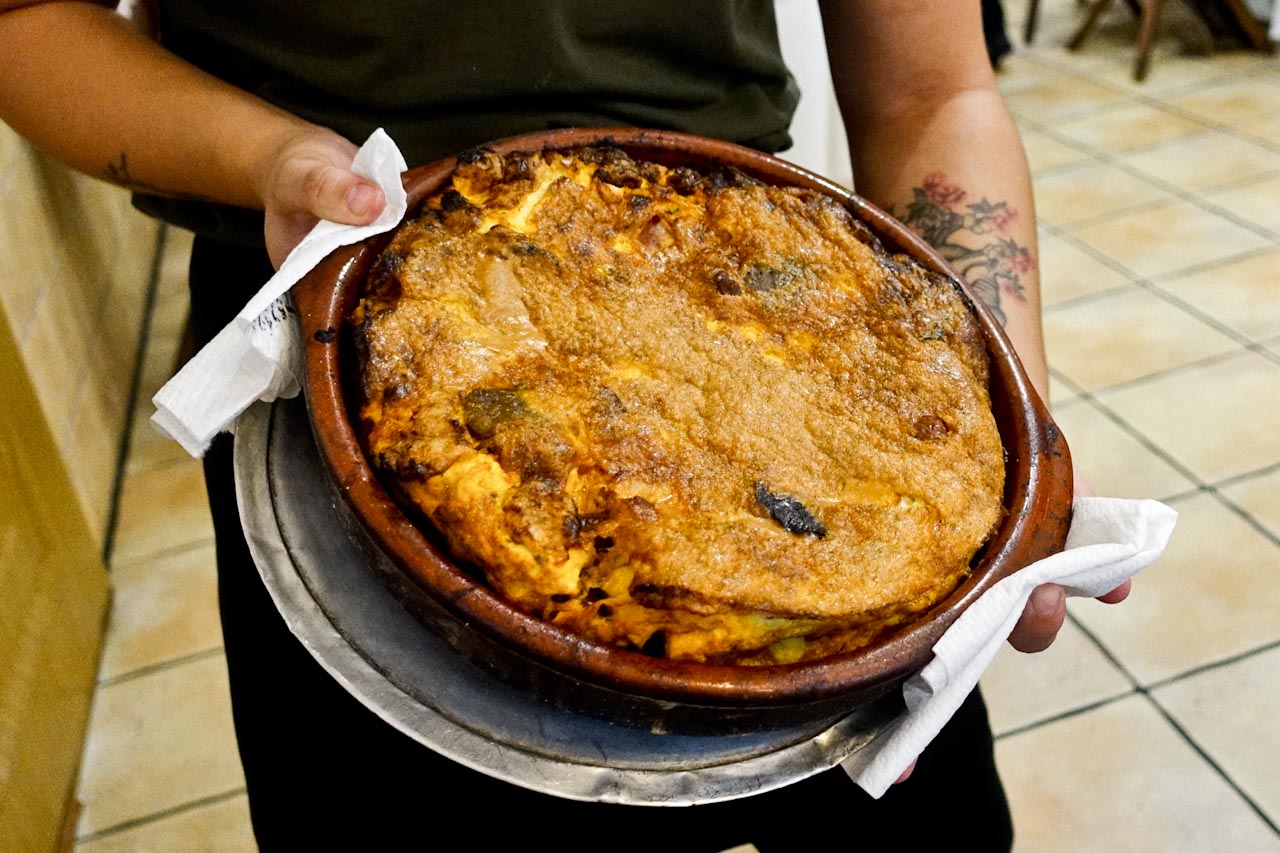
Another local speciality is arroz con costra, a substantial rice dish cooked with chicken, rabbit and sausage, finished with a layer of beaten egg on top. It’s best cooked on an open fire with burning olive and vine wood adding extra flavour. It’s then covered and charcoal embers on top set the egg into a golden crust. Taste it at Cachito, a restaurant just out of town, where Noelia Pascual follows traditional methods inherited from her great grandmother.
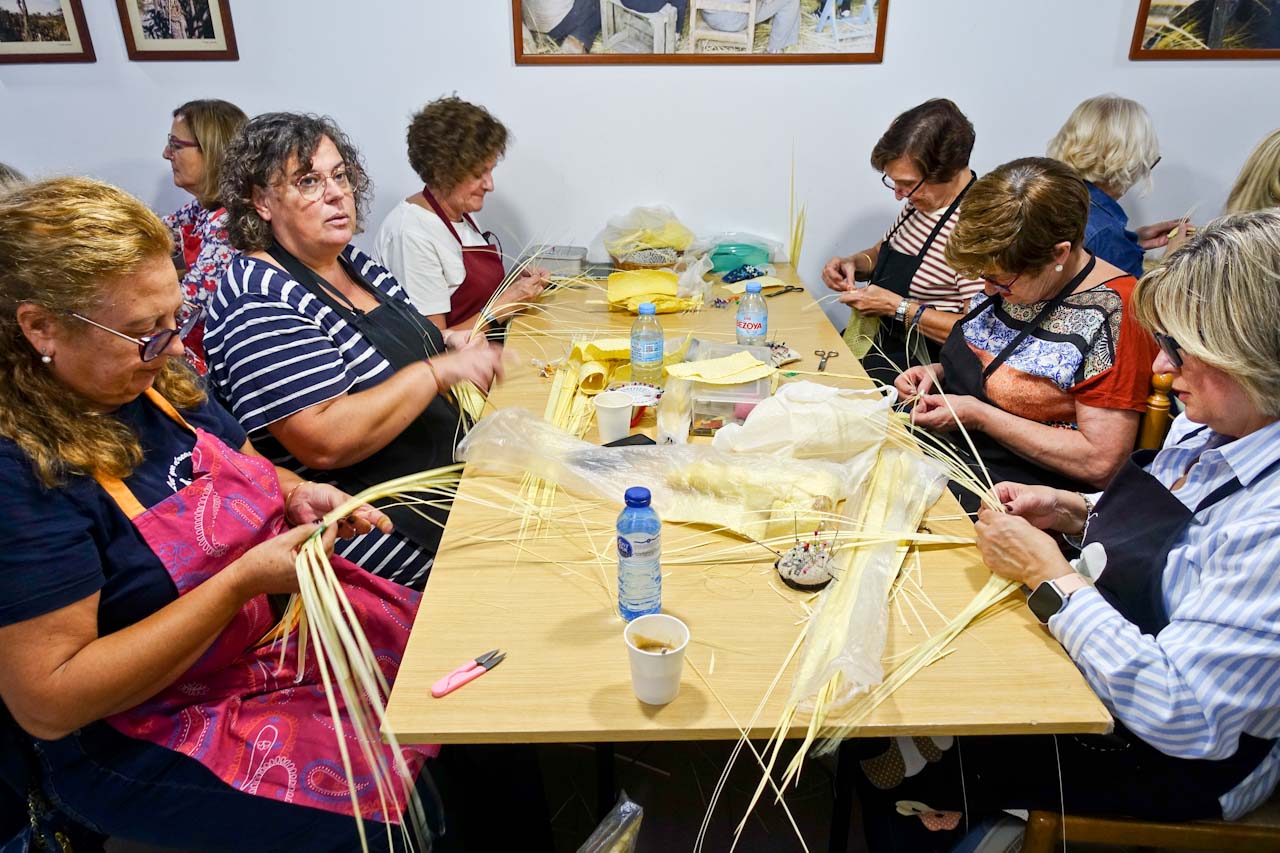
Elche is sometimes overlooked by visitors heading for Alicante’s beaches, but that would be a mistake. It offers something considerably more distinctive: a remarkable combination of landscape, archaeology, architecture and living cultural traditions. The palm trees are still part of everyday life, the dates are still harvested, white palms are still woven by hand and the entire community continues to participate in its extraordinary August drama.
Factfile
GO: Alicante-Elche Airport has many flights from London and then it’s around 20 minutes to Elche.
INFO: Visit Elche has info about the city.
STAY: Huerto del Cura Hotel is central and costs around £125 for a room including breakfast,
EAT: El Graniano in the centre has high end local cuisine.
Cachito is the place for rice dishes, lovingly cooked over fire by Noelia Pascual.