

EU Baggage Rules Set to Change – here’s what it means for UK flyers
What the 2027 luggage allowance rules guarantee, who’s covered — and why UK passengers won’t all see the change
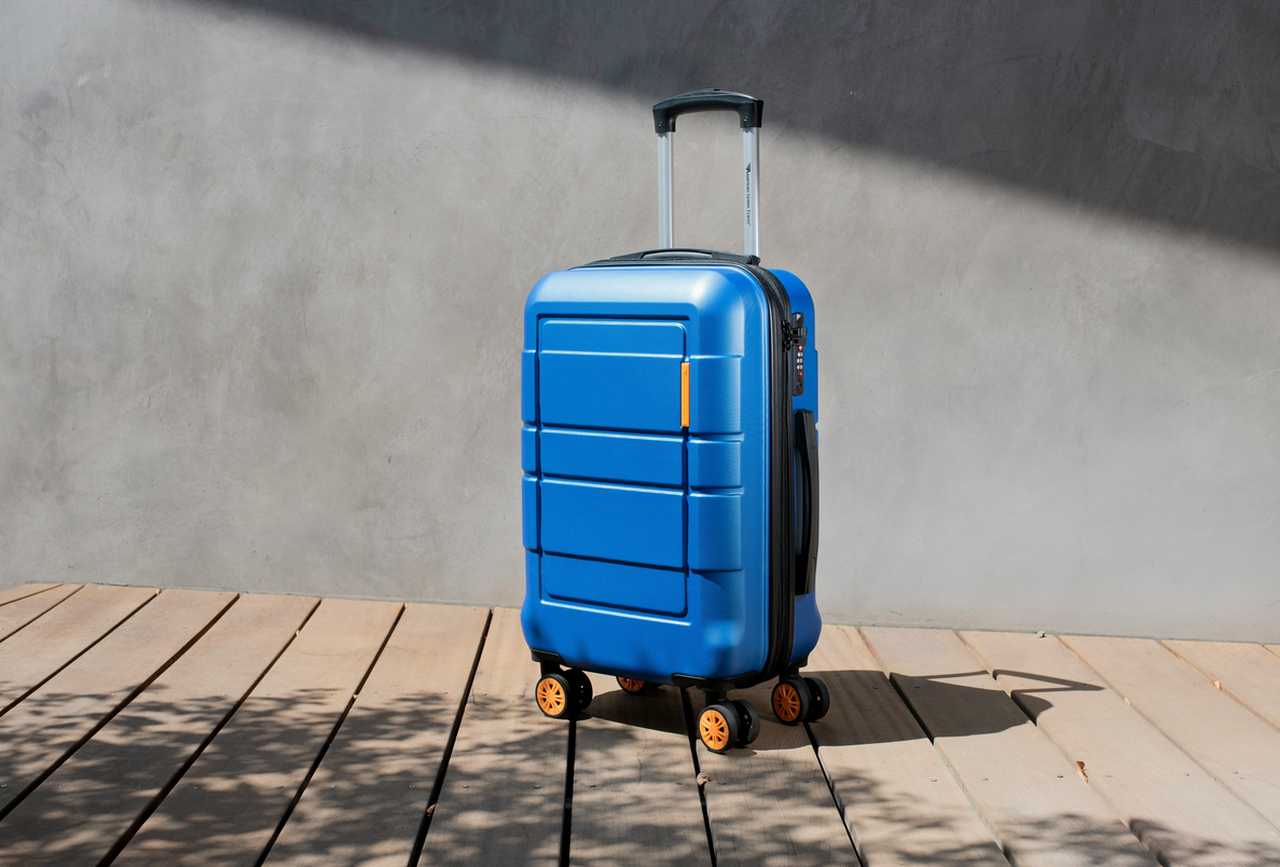
The European Union’s new baggage mandate is now enshrined in law, with all member states required to update their national regulations by 23 October 2027. In principle, this is excellent news for passengers: from that date, anyone travelling on a standard fare will be entitled to carry both an under-seat personal item and a cabin bag on board, effectively doubling the hand-luggage allowance most budget airlines offer today. At least, that is the intended outcome.
What this means for UK carriers
Post-Brexit, the rules do not automatically apply to flights departing UK airports. The UK operates under its own retained legislation (UK261), which has not yet been updated to mirror these reforms. Here is how it breaks down:
- Flights departing the UK on UK-registered carriers — British Airways, Jet2, easyJet UK and similar — are not covered by the new mandate. Existing airline policies remain in place.
- Flights departing the UK on EU-registered carriers — such as Ryanair or easyJet’s EU-registered services — fall under the new rules, as they originate within the EU regime.
- Flights returning to the UK from an EU airport are covered regardless of who operates them: any airline flying out of an EU gateway must honour the new baggage entitlements.
- The UK’s Civil Aviation Authority has not yet announced plans to adopt equivalent rules domestically. However, some industry observers expect carriers may choose to align across all routes to avoid operational complexity.
Key exceptions and fine print
Even within the EU, the reality is more nuanced than the headline suggests:
- Only the under-seat item is guaranteed free — dimensions up to 40 × 30 × 15 cm. The larger overhead cabin bag must be permitted subject to cabin capacity, but does not have to be free; airlines may still charge for it.
- Cheaper “no cabin bag” fares can still exist — airlines may offer lower-priced tickets that exclude the overhead bag, provided the fare including baggage is displayed as the default option during booking.
- If there is no space in the cabin, the airline must stow the bag in the hold at no extra charge.
- Special items — musical instruments, sports equipment, mobility aids — are not standardised by the new rules and remain at each airline’s discretion (though medical and mobility equipment is carried free under separate rights).
- The final legislation has not yet standardised size and weight limits for the overhead bag; airlines retain the right to set their own reasonable limits.
- Short-haul, domestic, and non-commercial charter flights may also fall outside the full scope of the mandate in some instances.
So while the change represents a meaningful shift toward transparency and a guaranteed free personal item, passengers travelling outbound from the UK on British carriers should not assume they will automatically get a second bag included — and even within the EU, overhead-bag fees may persist unless booked as part of the correct fare tier.
Be sure to check with your airline before you travel.
This article may contain affiliate links. If you book through them, The Travel Magazine may earn a small commission at no extra cost to you. Our recommendations are always chosen independently by our editor and writers.